
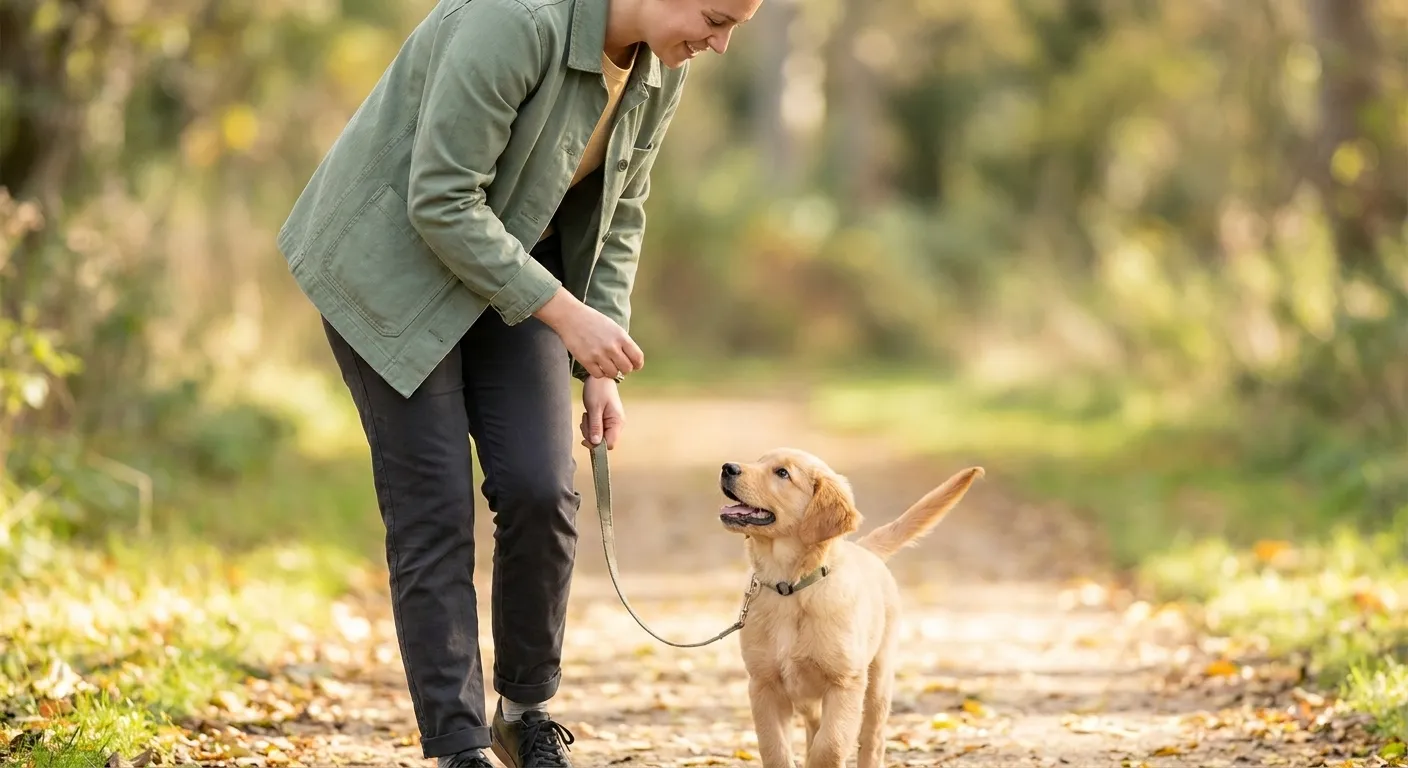
The dream of enjoyable walks with your puppy starts with positive experiences. Learning easy puppy leash training can transform potential struggles into joyful outings for both of you. Many new puppy owners feel daunted by the prospect of a pulling or resistant puppy, especially when juggling a busy schedule. Our guide offers simple, stress-free methods to get your puppy walking confidently by your side from the very beginning. You can achieve those peaceful walks sooner than you think, building a stronger bond with your furry friend.
Mastering Easy Puppy Leash Training with Positive Reinforcement
Starting leash training early and positively sets your puppy up for success. To begin, simply introduce the collar or harness. Let your puppy wear it for short periods during playtime or mealtime, always with positive praise and treats. The goal is for them to associate it with good things, not discomfort. Once they’re comfortable, attach a lightweight leash and let them drag it around a safe, enclosed area while supervised. This helps them get used to the feeling without the pressure of walking.
When you’re ready for your first ‘walks’, keep them very short and in a low-distraction environment, like your backyard. Hold the leash loosely and use treats to lure your puppy to walk beside you. Every step they take calmly on a loose leash deserves a small, high-value treat and verbal praise. If they pull, simply stop walking. Wait for the leash to slacken, then continue. This teaches them that pulling gets them nowhere, but a loose leash gets them forward. Remember, consistency and patience are key. Celebrate small victories, and soon you’ll both be enjoying those stress-free walks.
The First Steps: Making Gear Fun
Introducing a collar or harness should be a positive experience. Therefore, choose soft, lightweight gear that fits comfortably. Many puppies are sensitive to new sensations. For example, some might initially try to scratch or chew at their new collar. This is completely normal. Offer a treat as soon as the collar goes on, distracting them with something positive. You can also play a quick game or offer a favorite toy. The aim is to create happy associations from the very start. Gradually increase the time they wear it, always supervising to ensure their safety and comfort.
Once they’re happy wearing the collar or harness, introduce the leash. Attach a lightweight leash and let your puppy explore indoors while supervised. They will likely step on it, drag it, and perhaps even chew it. This is part of the learning process. The key is to let them get accustomed to the feeling of something trailing behind them without any tension. This method helps prevent your puppy from developing a negative association with the leash itself. For more insights on positive experiences, consider our guide on Puppy Grooming Positive Experience: Happy Pups, Healthy Coats, as similar principles apply.
Indoor Leash Practice: Building Foundations
Before stepping outside, practice walking indoors. This controlled environment minimizes distractions, allowing your puppy to focus. Start by holding the leash loosely and using a treat to lure your puppy to your side. Say

