
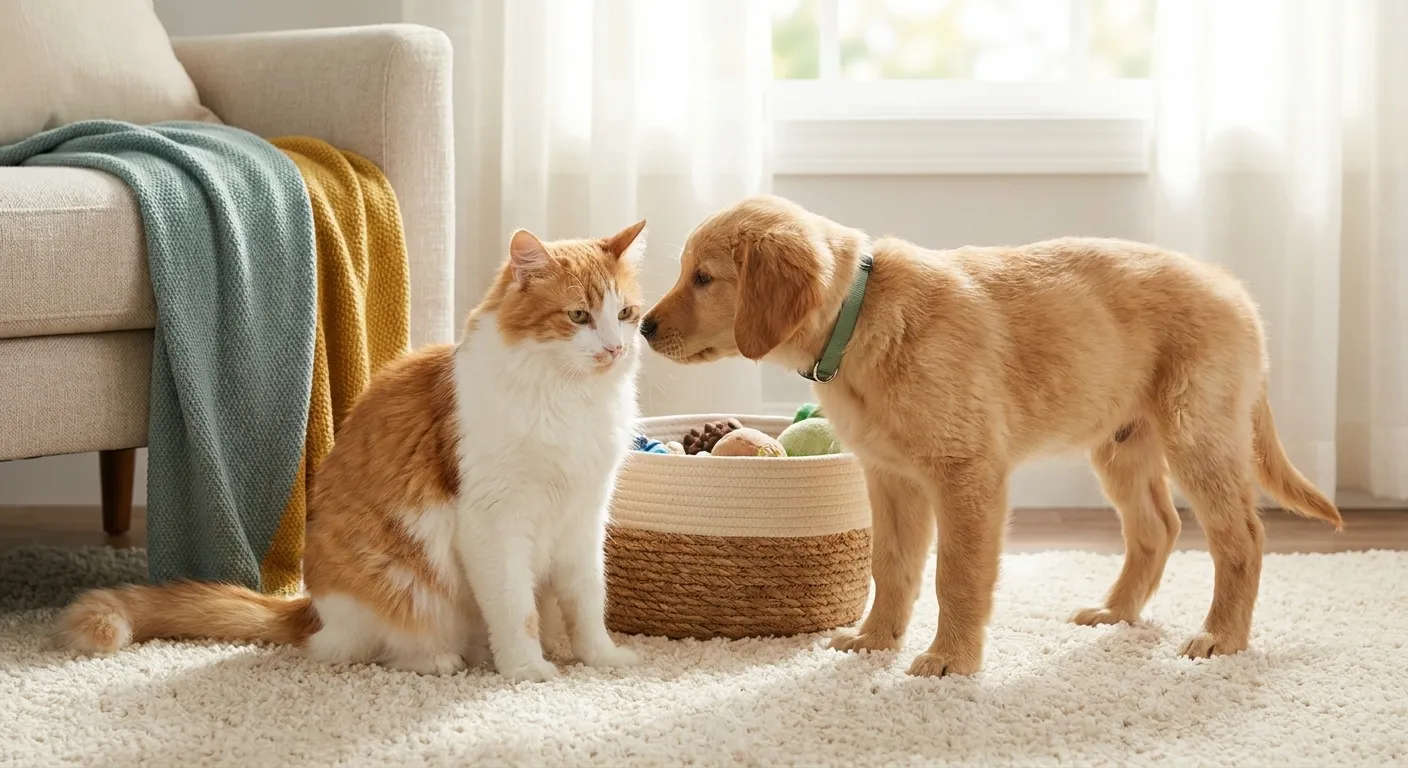
Bringing a new puppy home is an incredibly exciting time. However, if you already have beloved pets, the introduction process can sometimes feel a bit nerve-wracking. A smooth transition is truly essential for ensuring everyone in your household, furry or otherwise, feels secure and happy. This isn’t just about preventing conflicts; it’s about fostering positive relationships and creating a harmonious multi-pet home. With patience and a structured approach, you can successfully introduce your puppy other pets, building a foundation for lasting friendships.
Understanding the Dynamics: Why Introductions Matter
Introducing a new family member, especially a playful puppy, into an existing pet hierarchy requires thought and care. Your resident pets have established routines, territories, and relationships. A new puppy, full of boundless energy and curiosity, can disrupt this delicate balance. Therefore, understanding the potential challenges and preparing proactively can prevent stress for all involved. Moreover, a positive first impression sets the stage for a much happier future together.
For instance, an existing dog might feel threatened by the new arrival, perceiving the puppy as a competitor for your attention or resources. Similarly, cats, known for their independent nature, may become anxious or even aggressive if their space is suddenly invaded. Consequently, approaching introductions with empathy and a clear plan is crucial. Our goal is to make this transition as calm and positive as possible, helping your new puppy integrate seamlessly into your loving home.
Preparation is Key for Your Puppy and Other Pets
Before your new puppy even steps paw inside, preparation can make a world of difference, especially if you have existing dogs or cats. Firstly, ensure your resident pets are up-to-date on vaccinations and healthy. This helps prevent the spread of any potential illnesses to your new, vulnerable puppy. Furthermore, a healthy pet is generally less stressed and more adaptable to change.
Secondly, create separate spaces for each pet, at least initially, where they can eat, sleep, and feel safe. This might mean utilizing baby gates, separate rooms, or comfortable crates. Having these individual safe zones allows each animal to retreat when they feel overwhelmed, which is incredibly important for their sense of security. Additionally, gather high-value treats for all animals to use during positive reinforcement. The goal is to make all initial encounters positive and controlled, so no one feels overwhelmed or threatened. This thoughtful preparation truly lays the groundwork for successful introductions.
Consider setting up a
Related reading:

