
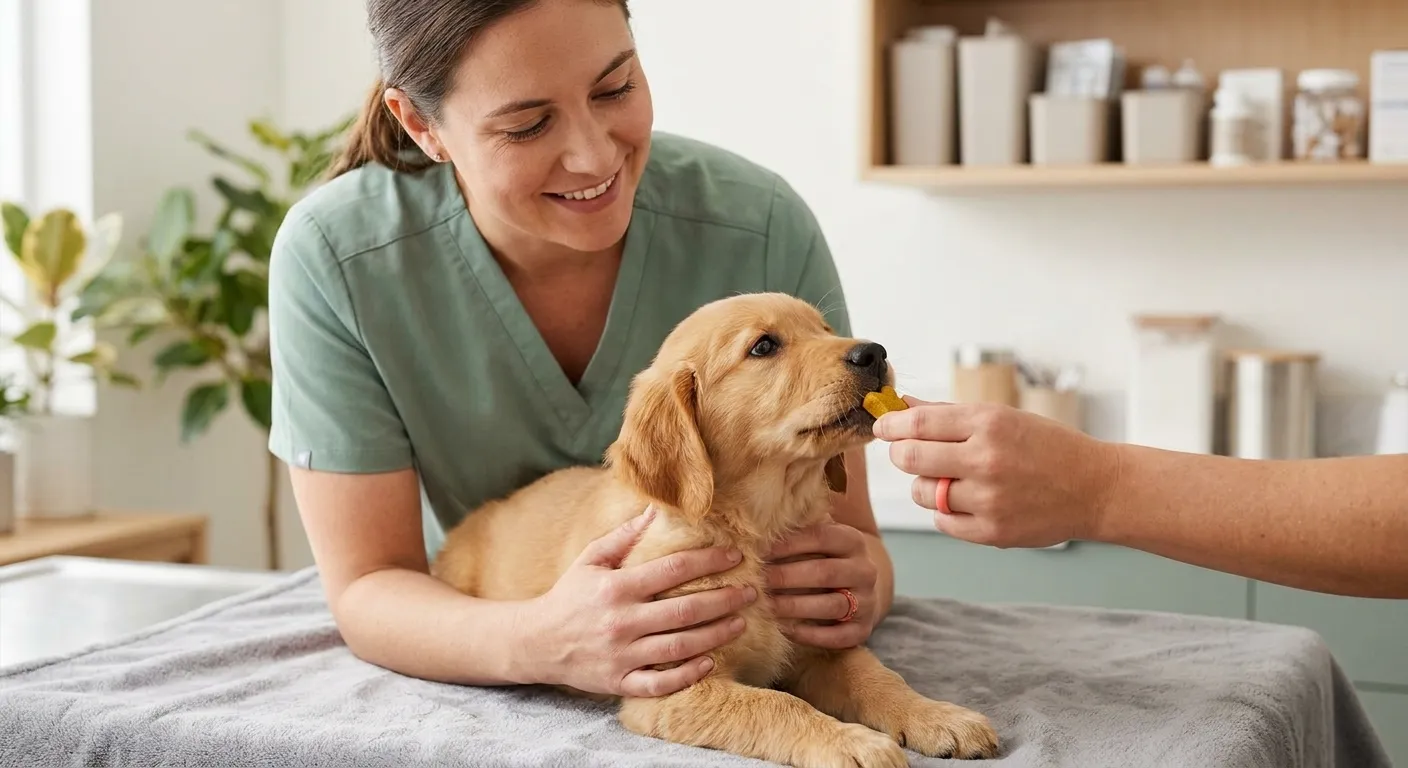
The first few veterinary visits are crucial not just for your puppy’s health, but for shaping their entire perception of the vet’s office. Making your puppy vet visit positive sets the stage for a lifetime of stress-free check-ups, which is a huge relief for busy professionals and first-time pet parents. We want your puppy to view the vet as a safe, even fun, place, rather than a source of fear. This positive association is an investment in their long-term well-being and your peace of mind. Moreover, it helps build confidence in your growing companion.
The Importance of a Positive Puppy Vet Visit
Many adult dogs develop fear and anxiety around vet visits, often stemming from early, perhaps overwhelming, experiences. As an empathetic guide, we know you want to avoid this! A positive first impression means your puppy associates the vet with treats, gentle handling, and calm interactions. This reduces stress for everyone involved—your puppy, you, and the veterinary staff. It also makes it easier for the vet to perform thorough examinations and for you to manage future health needs without a struggle. Think of it as proactive fear prevention. Furthermore, a calm pup allows for more accurate diagnoses.
Setting the Stage for a Happy Veterinary Experience
Preparing your puppy for a pleasant veterinary experience begins long before you step into the clinic. In fact, early socialization is key to helping your puppy cope with new environments and experiences. This foundational work helps them navigate the sights, sounds, and smells of a vet’s office with greater ease. Remember, a well-socialized puppy is often a more confident puppy. Therefore, focusing on broad positive experiences from a young age can significantly impact their comfort during medical appointments.
Practice Makes Perfect: Home Handling
Gently touch your puppy’s paws, ears, mouth, and tail regularly, mimicking a vet exam, always pairing it with praise and high-value treats. This desensitizes them to handling. For instance, while you’re cuddling on the couch, gently lift their lip to check their teeth, then immediately offer a tasty treat. Similarly, softly squeeze their paw pads, then reward them. This routine teaches them that being touched in these areas leads to good things. Consequently, when the vet performs these actions, your puppy will be less likely to react with fear or resistance. Consistent practice builds trust and familiarity.
Happy Car Rides: Beyond the Clinic
Make car trips to the vet fun experiences, not just for appointments. Take short trips to a park or for a treat, so the car isn’t always linked to the vet. For example, drive to a nearby dog-friendly park for a quick play session, or even just to a friend’s house for a quick hello. This helps your puppy associate car rides with enjoyable destinations, not just the potentially scary vet office. Furthermore, consider using a comfortable and secure crate in the car, as this can provide a sense of safety and routine for your pup. A relaxed journey contributes significantly to a relaxed arrival.
The Power of Treats: A Positive Reinforcement Tool
Bring plenty of your puppy’s favorite treats to the vet. Offer them generously throughout the visit, especially during examinations or while waiting. High-value treats, like small pieces of cheese or cooked chicken, work best. Offer a treat when you enter the waiting room, when a vet tech approaches, and especially during any procedure. This creates a strong positive association with the environment and the people there. Indeed, treats are a universal language of love for puppies, making a puppy vet visit positive and rewarding. Don’t be shy about asking the vet staff to help with treat delivery!
Your Calm Demeanor Matters
Your puppy picks up on your emotions. Stay calm and reassuring. If you’re anxious, they will be too. Before you even leave home, take a few deep breaths and remind yourself that you’re doing something good for your puppy. Speak in a soft, soothing voice. Your relaxed posture and gentle touch will communicate to your puppy that everything is okay. Therefore, managing your own stress is a critical step in ensuring a calm and successful veterinary appointment. Remember, you are your puppy’s anchor.
Related reading:
- The Unsung Hero: Understanding Puppy Naps for Healthy Growth
- How to Safely Introduce Your Puppy to Other Household Pets

