
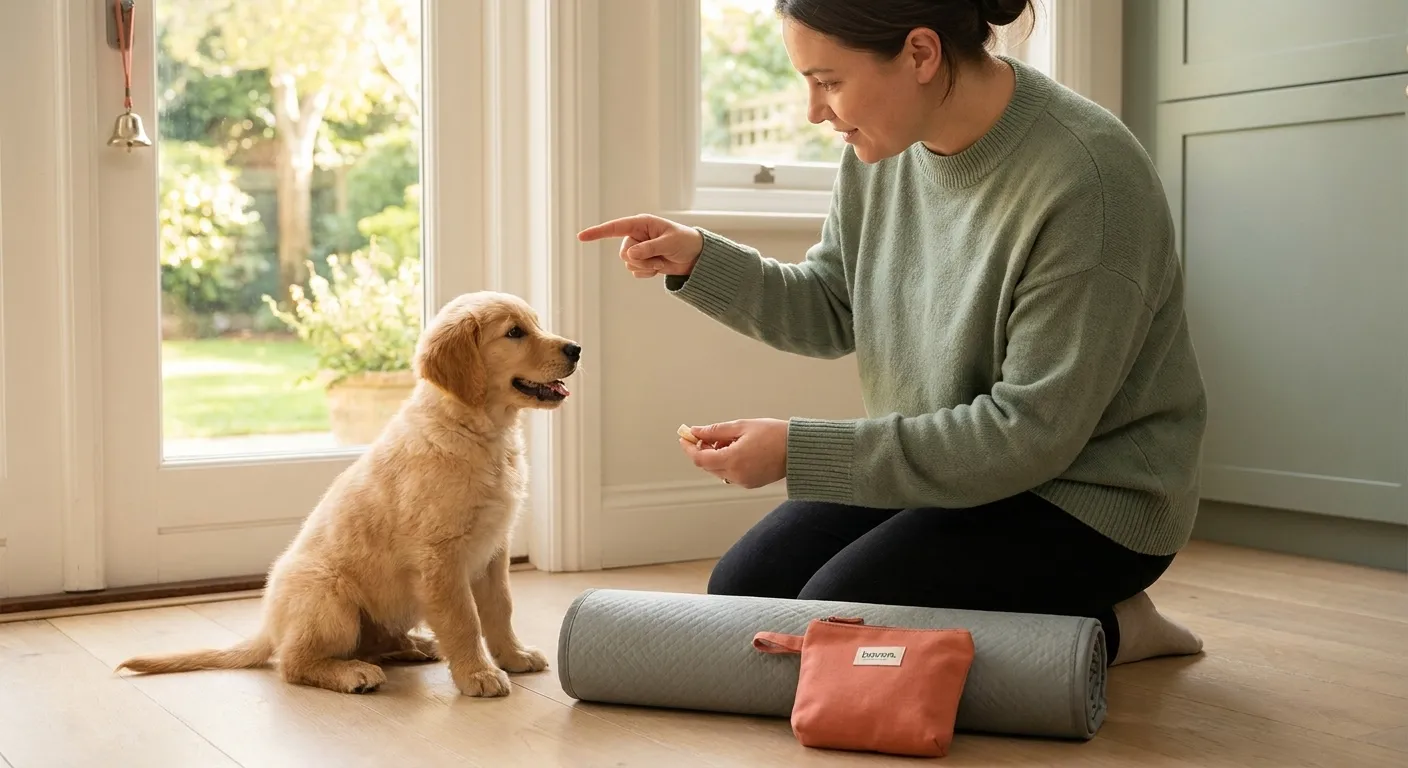
Bringing a new puppy home is an exciting adventure, but it often comes with a few anxieties, especially when it comes to house-training. If you’re feeling overwhelmed by the thought of accidents on your rug or conflicting advice online, you’re not alone. Many new pet parents struggle with finding clear, actionable puppy potty training tips that actually work. Our goal is to demystify the process, offering you a supportive, step-by-step guide to confidently house-train your furry friend without the stress.
Understanding Your Puppy’s Potty Habits
Before we jump into the ‘how-to,’ it’s helpful to understand why puppies have accidents. Their bladders are small, and they lack full control until they’re a bit older. They also don’t instinctively know where you want them to relieve themselves. Consistency and patience are your best tools. Look for common signs that your puppy needs to go: sniffing around intently, circling, whining, or sudden restlessness. Catching these cues early is crucial for success.
The Golden Rule: Frequent Potty Breaks
This is perhaps the most important aspect of successful house training a puppy. Puppies need to go out a lot. A good rule of thumb is to take them out every 1-2 hours, immediately after waking up, after playing, after eating or drinking, and before bedtime. Moreover, young puppies have very little bladder control. Therefore, frequent trips outside are non-negotiable for success.
- Upon Waking: As soon as their eyes open, carry them outside. Don’t let them wander inside first. This teaches them that the first thing they do is go outside.
- After Meals/Water: Within 15-30 minutes of eating or drinking, their digestive system will kick in. Consequently, a trip outside is essential.
- During Play: Interrupt play periodically for a quick trip outside. Active play can stimulate their bladder.
- Before Bedtime: A final trip right before settling down for the night. This helps them hold it longer overnight.
Your Puppy Potty Training Tips Toolkit
Having the right strategy and tools makes all the difference. Here’s what you’ll need for effective house-training for puppies:
1. Designated Potty Spot
Choose a specific area in your yard or outside space where you want your puppy to go. Take them to this spot every single time. The familiar scent will encourage them to go there again. Furthermore, a consistent spot helps them learn faster.
2. Leash and Treats
Even in a fenced yard, keep your puppy on a leash for potty breaks initially. This helps you guide them to the spot and stay focused. When they successfully go, immediately reward them with a small, high-value treat and enthusiastic praise. This positive reinforcement is key to them associating going outside with good things. For more on this, check out our guide on Positive Reinforcement Training for Better Dog Walks. This method builds trust and makes training enjoyable for both of you.
3. Crate Training
A crate can be an invaluable tool for house training. Dogs naturally want to keep their sleeping area clean, so they’ll often try to hold it while in their crate. Ensure the crate is just big enough for them to stand up, turn around, and lie down comfortably – if it’s too big, they might use one end as a bathroom. Always let them out of the crate for a potty break immediately. The crate should be a safe, comfortable den, not a punishment zone. You can find more helpful advice on creating Stress Free Dog Habits for a Happier Life, which often starts with a positive crate experience.
4. Cleaning Accidents Properly
Accidents will happen, especially in the beginning. When they do, clean them thoroughly with an enzyme-based cleaner. This is critical because regular cleaners often leave behind odors that only your puppy can detect, encouraging them to go in the same spot again. Avoid scolding or punishing your puppy for accidents. They don’t understand punishment in this context, and it can create fear, making house-training more difficult. Instead, simply clean it up and resolve to be more vigilant next time. This approach fosters a more positive learning environment.
Setting a Potty Training Schedule
Consistency is truly the cornerstone of successful house-training. Establishing a predictable routine helps your puppy understand what is expected of them. A structured schedule removes guesswork for both you and your furry friend. Therefore, create a daily schedule and stick to it as closely as possible.
Example Daily Schedule for Puppy Potty Training
This is a sample schedule for house-training your puppy. Remember to adjust it based on your puppy’s age, breed, and individual needs. Younger puppies will need more frequent breaks. For instance, a 10-week-old puppy may need to go out every hour, while a 4-month-old might manage two hours.
- 6:00 AM: Wake up, immediately go outside for a potty break.
- 6:15 AM: Breakfast and water.
- 6:45 AM: Outside for another potty break.
- 7:00 AM – 8:00 AM: Playtime or short walk.
- 8:00 AM: Outside for a potty break.
- 8:15 AM – 12:00 PM: Crate time (if you’re at work) or supervised playtime with frequent breaks every 1-2 hours.
- 12:00 PM: Lunch and water (if applicable), followed by a potty break.
- 12:30 PM – 5:00 PM: Repeat morning routine with regular potty breaks.
- 5:00 PM: Dinner and water.
- 5:30 PM: Outside for a potty break.
- 5:45 PM – 9:00 PM: Playtime, training, family time with frequent potty breaks (every 60-90 minutes).
- 9:00 PM: Final potty break before bedtime.
- Overnight: Young puppies may need one or two middle-of-the-night potty breaks. Set an alarm if necessary.
As you can see, the emphasis is on proactive potty breaks rather than waiting for accidents to happen. This consistent reinforcement helps solidify good habits.
Overcoming Potty Training Challenges
Even with the best intentions and a solid plan, you might encounter bumps in the road. It’s completely normal! Don’t get discouraged if your puppy has a setback. Instead, view it as an opportunity to refine your approach to puppy house-training.
Regression and Setbacks
Sometimes, a puppy who was doing well might start having accidents again. This is often called regression. It could be due to a change in routine, a new environment, or even a minor illness. If your puppy suddenly starts having accidents, first rule out any medical issues with a vet visit. Afterward, return to the basics of frequent potty breaks and strict supervision. Remember, patience is vital during these times. It’s a phase, and with your continued support, your puppy will get back on track.
Dealing with Submissive or Excitement Urination
Some puppies might urinate when they are overly excited or feel submissive. This is different from regular house-training accidents. If your puppy pees when greeting you or during intense play, try to keep greetings calm and low-key. Avoid making a big fuss when you first come home. Instead, calmly take them outside immediately. Similarly, if they get excited during play, take them out for a quick break before they have an accident. This helps them learn to control their bladder even during heightened emotions.
When to Seek Professional Help
If you’re consistently struggling with house-training despite following all the advice, or if your puppy shows signs of anxiety around potty breaks, it might be time to consult a professional dog trainer or a veterinary behaviorist. They can provide tailored guidance and identify any underlying behavioral issues. For some puppies, especially those with past trauma, additional support can be invaluable. This proactive step can prevent further frustration for both you and your puppy.
Beyond the Basics: Advanced Puppy Potty Training Tips
Once your puppy has a good grasp of the basics, you can start to introduce more advanced concepts to solidify their house-training skills. These tips help build confidence and independence.
Teaching a Potty Command
Introduce a verbal cue like “Go Potty” or “Hurry Up” while your puppy is actively eliminating. Say the command in a calm, encouraging voice. As soon as they finish, praise and reward them. Over time, your puppy will associate the command with the act of going to the bathroom, which can be incredibly useful in new environments or when you’re in a hurry. This is a fantastic way to reinforce good Good Dog Behavior Starts at Home.
Expanding Their Potty Area
Initially, you focused on a single designated spot. Once your puppy consistently uses that area, you can gradually allow them more freedom to choose a spot within a larger, appropriate outdoor space. Continue to praise and reward them for going outside, regardless of the exact location. This teaches them that the entire yard is their bathroom, not just one small patch.
Nighttime Potty Training
Nighttime can be a challenge for young puppies. As they get older, their bladder control improves. However, for the first few months, expect at least one middle-of-the-night potty break. Gradually extend the time between breaks. Make these trips as boring as possible: no play, no talking, just out to the spot, potty, then back to the crate. This teaches them that nighttime breaks are strictly for business. You might find our tips on Confident Dog Parent Habits for Everyday Success helpful for establishing consistent routines, including nighttime care.
Essential Gear for Puppy Potty Success
Having the right tools can make the journey smoother and more efficient. Here’s a quick rundown of what you’ll need:
- High-Value Treats: Small, soft, and irresistible treats are perfect for immediate rewards.
- Leash and Collar/Harness: Essential for guiding your puppy to their potty spot.
- Crate: A properly sized crate is invaluable for managing accidents and fostering bladder control.
- Enzyme Cleaner: Absolutely necessary for thoroughly cleaning accidents and eliminating odors. We recommend brands like Nature’s Miracle or Rocco & Roxie, which are widely available and effective.
- Potty Pads (Optional): While some owners use them, we generally recommend minimizing their use to avoid confusing your puppy about where they should go. If you do use them, ensure they are a temporary measure and gradually transition to outdoor-only.
- Dog Waste Bags: Always be a responsible pet owner and clean up after your puppy.
- Durable Chew Toys: These can help keep your puppy occupied in their crate between potty breaks, reducing boredom and potential anxiety.
By having these items readily available, you’ll be well-prepared for any situation that arises during your puppy’s house-training journey.
Conclusion: Confidence in House-Training Your Puppy
House-training your puppy doesn’t have to be a source of stress or frustration. With these puppy potty training tips, you have a clear, empathetic, and actionable guide to navigate this important stage of your puppy’s development. Remember that consistency, patience, and positive reinforcement are your greatest allies. Every puppy is an individual, so celebrate their successes, learn from any setbacks, and most importantly, enjoy the journey of building a strong, loving bond with your well-adjusted companion. You’ve got this!
FAQ: Common Questions About Puppy House-Training
How long does it typically take to house-train a puppy?
The time it takes to house-train a puppy varies greatly depending on the individual puppy, their age, breed, and the consistency of the owner. Generally, most puppies can be reliably house-trained between 4 and 6 months of age, but some may take longer. Staying consistent with your routine is the most important factor.
Should I punish my puppy for accidents inside the house?
No, you should never punish your puppy for accidents. Puppies do not understand punishment in this context; it can lead to fear, anxiety, and hiding accidents, making house-training much harder. Instead, calmly clean up the mess with an enzyme cleaner and redouble your efforts to prevent future accidents through more frequent supervision and potty breaks.
Can I use potty pads for my puppy’s house-training?
While potty pads can be used, we generally recommend minimizing their use if your goal is 100% outdoor elimination. Pads can confuse puppies about where they should relieve themselves. If you do use them, treat them as a temporary tool and gradually transition your puppy to going outside exclusively. Always reward heavily when they go outside.
What if my puppy is holding it in the crate but still having accidents outside?
If your puppy holds it in the crate but has accidents outside, it might indicate they haven’t fully grasped that outside is the designated potty area. Ensure you’re taking them out frequently enough, to the same spot, and rewarding them immediately and enthusiastically every single time they eliminate outside. Avoid distractions during outdoor potty breaks to help them focus on the task.
My puppy seems to forget their training when we go to a new place. What should I do?
It’s common for puppies to regress in new environments due to excitement or anxiety. When in a new place, treat your puppy like they are starting their house-training all over again. Take them out very frequently, keep them on a leash, and reward them for every successful outdoor elimination. Gradually, as they become comfortable in the new setting, you can relax the strictness of the schedule.

