
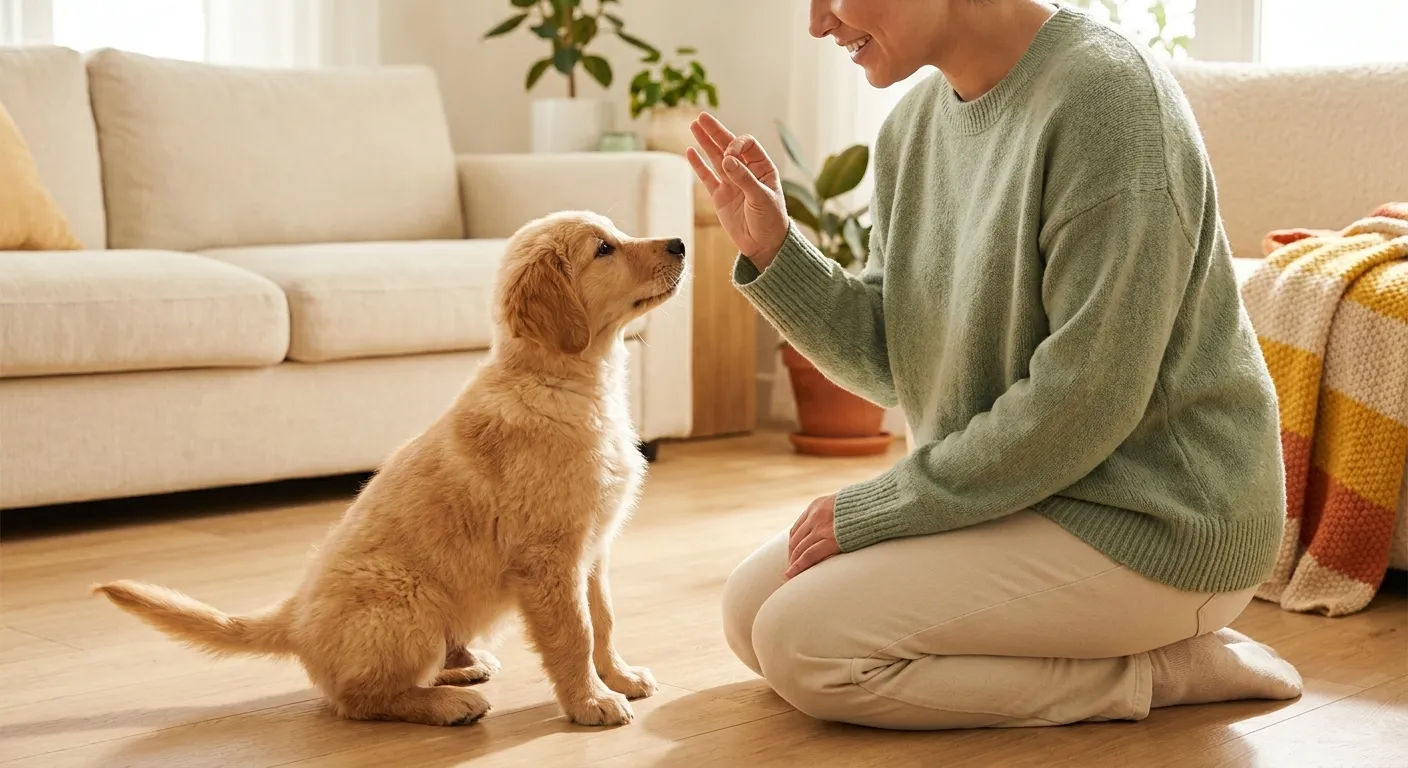
Bringing a puppy into your home is an incredible experience, filled with playful moments and heartwarming snuggles. Yet, it also marks the beginning of their education. For many new owners, the idea of ‘training’ can sound daunting, especially with all the other responsibilities of puppy parenthood. But fear not! Learning a few easy puppy training commands is not only achievable but also incredibly rewarding. It’s a fantastic way to build a strong bond, establish clear communication, and boost your puppy’s confidence, all while making your life together much smoother. We’re here to guide you through the first essential steps with positivity and practical advice.
The Power of Positive Reinforcement for Puppy Training
Before we dive into specific commands, let’s talk about the bedrock of successful puppy training: positive reinforcement. This means rewarding your puppy for doing something right. When your puppy performs a desired action, immediately follow it with a high-value treat, enthusiastic praise, or a favorite toy. This helps them understand that their action led to a good outcome, making them more likely to repeat it. Avoid punishment, as it can confuse your puppy, erode trust, and hinder their learning. Furthermore, positive reinforcement strengthens your bond. In fact, it’s a cornerstone for positive reinforcement training for better dog walks and overall well-being.
Keep Sessions Short and Sweet
Puppies have short attention spans. Therefore, aim for 5-10 minute training sessions, 2-3 times a day. End on a positive note, even if it means asking for an easy command your puppy already knows. This keeps training fun and prevents them from getting bored or frustrated. Moreover, shorter sessions are more effective for young learners.
Your First Steps: Easy Puppy Training Commands
Let’s start with two fundamental commands that are incredibly useful and relatively simple to teach. These basic commands form the groundwork for more advanced skills later on. Remember, patience is key during this learning phase.
1. ‘Sit’: The Foundation Command
The ‘Sit’ command is often one of the first things puppies learn, and for good reason. It’s a great way to teach impulse control and get your puppy to focus. Essentially, ‘Sit’ can be used in countless everyday situations, such as before meals or greetings. It’s also a perfect starting point for learning more easy puppy training commands.
How to Teach ‘Sit’:
- Get Their Attention: Hold a tasty treat near your puppy’s nose. This will capture their focus immediately.
- Lure: Slowly move the treat upwards and slightly back over their head. As their nose follows the treat, their rear end will naturally lower into a sit position. Consequently, they’ll discover the desired action.
- Mark and Reward: The moment their bottom touches the ground, say “Yes!” or use a clicker, then immediately give them the treat and praise. Repeat this several times. This connection helps them understand.
- Add the Cue: Once your puppy consistently sits when lured, start saying “Sit” just as their bottom begins to go down. Eventually, you’ll say “Sit” before luring.
- Practice: Practice in different locations and with varying distractions as your puppy progresses. For example, try practicing in your living room, then your yard.
2. ‘Come’: The Life-Saving Recall
The ‘Come’ command (or recall) is arguably the most important command you can teach your puppy for their safety. It ensures they’ll return to you when called, whether at the dog park or if they accidentally slip out the door. Furthermore, a reliable recall provides immense peace of mind. It truly is one of the most vital easy puppy training commands.
How to Teach ‘Come’:
- Start Close: Begin in a quiet, distraction-free environment. Have your puppy just a few feet away from you.
- Make it Fun: Get down on their level, open your arms wide, and use an excited, happy tone to say their name followed by “Come!” or “Here!”.
- Reward Immediately: The instant your puppy reaches you, give them a high-value treat and enthusiastic praise. Make it a party! This positive association is crucial.
- Increase Distance and Distractions: Gradually increase the distance and introduce mild distractions as your puppy consistently responds. For instance, practice in the backyard, then a quiet park.
- Never Punish: If your puppy doesn’t come, don’t scold them. This could make them hesitant to come to you in the future. Instead, try again later or make the environment less distracting. A good recall is fundamental for confident dog parent habits for everyday success.
Expanding Your Puppy’s Repertoire: More Easy Puppy Training Commands
Once your puppy has mastered ‘Sit’ and ‘Come,’ you’re ready to introduce a few more useful commands. These commands will further enhance communication and strengthen your bond. Remember to maintain a positive and encouraging attitude throughout the training process.
3. ‘Stay’: Building Self-Control
‘Stay’ is a fantastic command for teaching your puppy patience and self-control. It’s incredibly useful in many situations, from waiting by the door to preventing them from rushing to greet guests. This command builds on ‘Sit’ and requires a bit more focus from your puppy.
How to Teach ‘Stay’:
- Start with a Sit: Ask your puppy to ‘Sit’.
- Introduce the Cue: With your puppy sitting, say “Stay” while holding your open palm out towards them, like a stop sign.
- Take One Step Back: Take just one small step backward. If your puppy stays, immediately step forward, praise, and reward.
- Gradually Increase Distance and Time: Slowly increase the distance you step away and the amount of time you ask them to stay. Only increase one factor at a time. For example, try two steps back, then two seconds.
- Release Word: Always use a release word like “Okay!” or “Free!” to let your puppy know they can move. This helps them understand when the command is over.
- Practice, Practice, Practice: Consistency is key. Practice in various environments to generalize the command. This helps prevent clingy puppy behavior and how to fix it.
4. ‘Down’: A Relaxing Position
The ‘Down’ command is another excellent way to encourage calmness and control. It’s a comfortable position for your puppy and can be useful for settling them during quiet times or when you need them to be out of the way. Teaching ‘Down’ is often a natural progression from ‘Sit’.
How to Teach ‘Down’:
- Start from a Sit: Ask your puppy to ‘Sit’.
- Lure to the Ground: Hold a treat at your puppy’s nose. Slowly move the treat straight down to the floor, then drag it along the floor away from them, just a few inches. Their nose will follow, and their body should naturally lower into a down position.
- Mark and Reward: As soon as their elbows touch the ground, say “Yes!” and give them the treat and praise.
- Add the Cue: Once they consistently lie down with the lure, start saying “Down” as you begin the luring motion.
- Fade the Lure: Gradually make the luring motion smaller until you can just use the verbal cue “Down” and a hand signal.
Beyond Basic Commands: Building a Confident Companion
Teaching these easy puppy training commands is about much more than just obedience. It’s about building a language with your puppy, fostering trust, and helping them navigate their world with confidence. A well-trained puppy is a happier puppy, and a happier puppy makes for a happier home.
Why Confidence Matters
A confident puppy is less likely to be fearful or anxious. When they understand what you expect, their world becomes more predictable and less overwhelming. This foundation of understanding can prevent many behavioral issues down the line. Moreover, confidence helps them adapt to new situations and people. Learning these easy puppy training commands will help your puppy become a well-adjusted member of your family. Furthermore, it helps them develop good dog behavior that starts at home.
Making Training a Part of Your Daily Routine
Training doesn’t have to be a formal, rigid event. In fact, integrating these simple puppy commands into your daily life makes them more natural and effective. For example, ask your puppy to ‘Sit’ before you put their food bowl down, or ‘Come’ when you’re ready to go outside. These small moments add up to significant learning. This consistent practice reinforces the commands.
- Mealtime Manners: Ask for a ‘Sit’ or ‘Down’ before putting their food bowl down.
- Doorway Etiquette: Practice ‘Sit’ and ‘Stay’ before going outside for a walk. This is key for reducing dog anxiety for better walks.
- Greeting Guests: Teach them to ‘Sit’ calmly instead of jumping on visitors.
- Playtime Recall: Call your puppy to ‘Come’ during playtime, reward them, then release them back to play.
Troubleshooting Common Training Challenges
Even with easy puppy training commands, you might encounter some bumps in the road. This is completely normal! Remember, every puppy learns at their own pace. Persistence and a positive attitude are your best tools.
When Your Puppy Isn’t Getting It
If your puppy seems confused or uninterested, take a step back. Perhaps the distractions are too high, or the sessions are too long. Simplify the environment, shorten the session, or use an even higher-value treat. For instance, try a piece of cooked chicken instead of a regular kibble. It’s essential to keep training fun and rewarding.
Dealing with Distractions
As your puppy progresses, you’ll want to practice in more distracting environments. However, introduce distractions gradually. Start with minor background noise, then move to a slightly busier room, and eventually outdoors. Always start with a very high success rate in a quiet environment before adding challenges. This builds a strong foundation. The American Veterinary Society of Animal Behavior provides excellent resources on puppy socialization and training, which can further support your efforts in various environments. Visit AVSAB’s website for more insights.
Consistency is Key
Everyone in the household should use the same commands and reward system. Inconsistency can confuse your puppy and slow down their learning. Make sure everyone knows the plan. Therefore, a family meeting might be helpful. Consistent reinforcement of easy puppy training commands ensures faster learning.
The Long-Term Benefits of Early Training
Investing time in teaching your puppy these easy puppy training commands now will pay dividends throughout their entire life. You’re not just teaching tricks; you’re shaping a well-mannered, confident, and happy companion. A puppy with a solid understanding of basic commands is better equipped to handle new experiences, whether it’s a vet visit, a trip to the groomer, or meeting new people and dogs. This early training contributes significantly to their overall well-being and ability to integrate into various social settings. It truly sets the stage for a lifetime of positive interactions and a strong human-animal bond. Furthermore, early training can prevent behavioral problems from developing. The ASPCA offers valuable information on puppy development and training tips, which can be found on their official website.
A Stronger Bond
Training sessions are wonderful opportunities to bond with your puppy. They learn to trust you, and you learn to understand their cues. This shared experience deepens your relationship, making your puppy feel secure and loved. Moreover, a strong bond makes future training endeavors even easier.
Preventing Behavioral Issues
Many common behavioral problems, such as jumping, excessive barking, or destructive chewing, can be mitigated or prevented with early training. When your puppy learns appropriate behaviors and has an outlet for their energy, they are less likely to engage in unwanted actions. Indeed, teaching easy puppy training commands provides structure. This is directly related to establishing stress-free dog habits for a happier life.
Conclusion: Confident Pups, Happy Homes
Learning easy puppy training commands is an empowering journey for both you and your new furry friend. It’s a pathway to clear communication, mutual respect, and a lifetime of wonderful companionship. Remember to approach each session with patience, positivity, and plenty of high-value rewards. Celebrate every small success, and don’t be discouraged by setbacks. You are building a foundation of confidence and good behavior that will serve your puppy well for years to come. With these simple steps, you’re not just teaching commands; you’re nurturing a confident, well-adjusted, and beloved member of your family. Enjoy the process, and cherish every moment of growth with your amazing puppy!
FAQ: Answering Your Puppy Training Questions
How often should I practice basic dog commands?
Aim for short, frequent training sessions – 2 to 3 times a day, lasting 5-10 minutes each. This frequency helps keep your puppy engaged and prevents them from getting bored or overwhelmed. Consistency is more important than length when teaching new skills.
What are the most crucial initial commands for a young dog?
The most crucial initial commands for a young dog are ‘Sit’ and ‘Come’ (recall). ‘Sit’ helps with impulse control and focus, while ‘Come’ is vital for their safety and your peace of mind. ‘Down’ and ‘Stay’ are also incredibly beneficial next steps.
Can I teach an older puppy new tricks?
Absolutely! You can teach an older puppy (or even an adult dog) new tricks and commands. While puppies might pick things up quickly, older dogs are often just as capable, sometimes even more focused. The same positive reinforcement methods apply and are highly effective regardless of age.
What if my dog isn’t motivated by treats during training?
If your dog isn’t motivated by treats, try different types of rewards. Some dogs prefer toys, a quick game of tug, or enthusiastic verbal praise and petting. Experiment to find what your puppy considers a high-value reward. You might also try training when they are slightly hungry.
How do I make dog obedience training fun for my puppy?
To make dog obedience training fun, keep sessions short, use high-value rewards, and always end on a positive note. Incorporate training into playtime, vary your rewards, and maintain an enthusiastic, encouraging tone. Remember, a fun experience makes them eager to learn more.

