
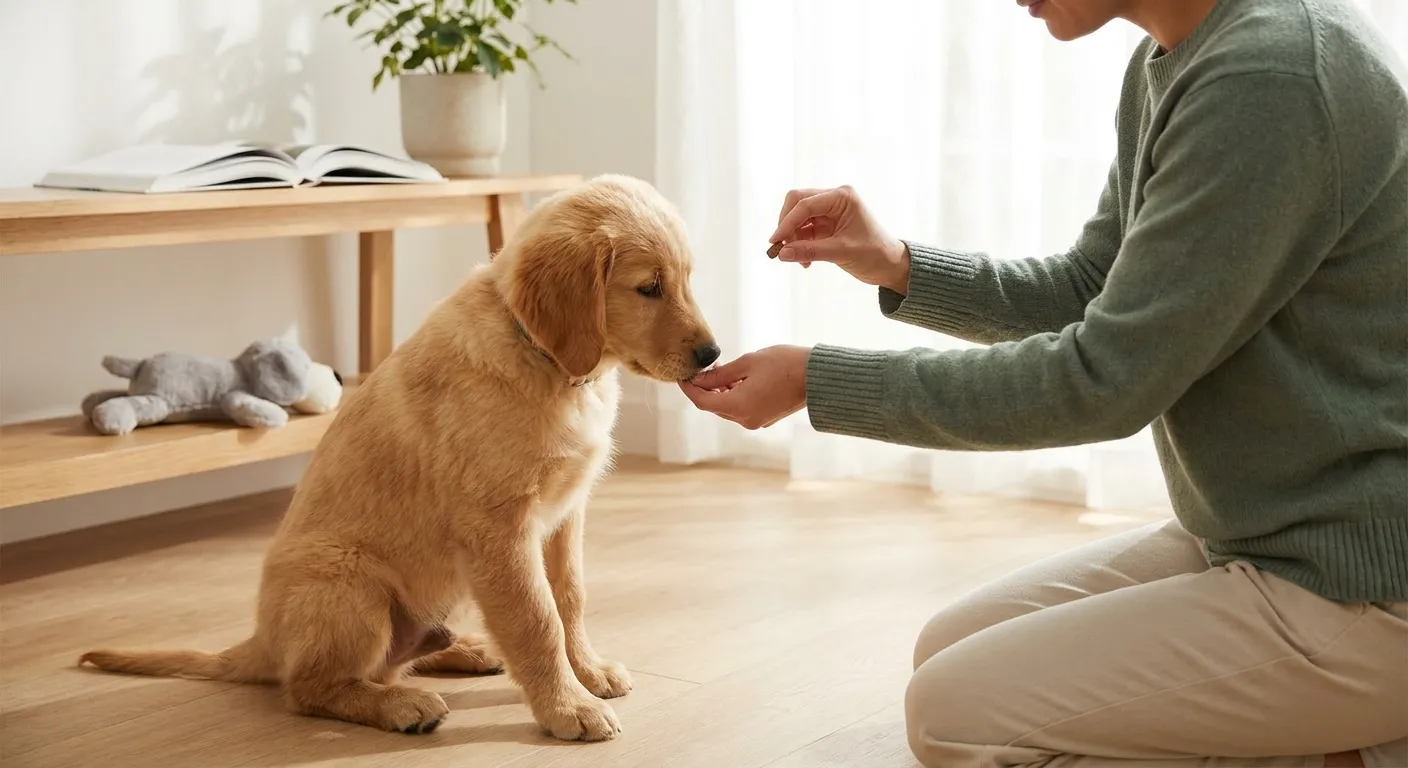
Bringing a puppy home is an exciting adventure, filled with firsts and foundational learning. You’ve likely tackled the basics: potty training, crate training, and perhaps a few simple commands like ‘sit’ and ‘stay’. But what happens next? The journey doesn’t end there! In fact, the most rewarding part often begins as you delve into continuing puppy training, building on those initial successes to foster a truly well-adjusted, confident, and happy adult dog. For many new owners, the idea of ‘advanced’ training can feel daunting, but it’s simply the natural progression of good habits and a stronger bond.
Why Continuing Puppy Training Matters for Lifelong Success
Think of your puppy’s education like a child’s: you wouldn’t stop after kindergarten. Ongoing learning keeps their minds sharp, prevents boredom, and strengthens your relationship. Here’s why it’s so vital:
- Mental Stimulation: Puppies, especially intelligent breeds, thrive on mental challenges. Advanced puppy training provides this, preventing destructive behaviors that often stem from boredom.
- Stronger Bond: Working together on new skills deepens trust and understanding between you and your dog. It’s a shared language that enriches your connection.
- Problem Prevention: A well-trained dog is less likely to develop behavioral issues later on. Consistent training helps them navigate new situations calmly and appropriately.
- Increased Safety: Advanced commands like a reliable ‘come’ or a solid ‘stay’ can be life-saving in unexpected situations, giving you more control in busy or potentially hazardous environments.
- Adaptability: The world is full of new experiences. Ongoing training helps your puppy learn to adapt to different places, people, and other animals with confidence and good manners.
Taking Your Training to the Next Level: Advanced Commands
Once your puppy reliably performs basic commands in a quiet environment, it’s time to add layers of complexity. This isn’t about teaching entirely new things, but about refining existing skills and introducing new ones that build on that foundation. For instance, mastering distractions and new environments is crucial.
Mastering Distractions and New Environments
Your puppy might ‘sit’ perfectly in your living room, but can they do it at the park with squirrels nearby? This is where the ‘three Ds’ come in: Distance, Duration, and Distraction. Practice existing commands by gradually increasing these factors:
- Distance: Ask for a ‘sit’ or ‘stay’ while you take a few steps away, slowly increasing the distance.
- Duration: Extend the time your puppy holds a ‘stay’ or ‘down’ command.
- Distraction: Introduce mild distractions (a bouncing ball, another person walking by) and slowly build up to more challenging ones (other dogs, children playing).
New commands that are incredibly useful include:
- ‘Heel’: Walking politely by your side, without pulling, even on a loose leash. This command is a cornerstone for pleasant outings.
- ‘Leave It’: This is a life-saving command, teaching your puppy to ignore tempting (and potentially dangerous) items on the ground.
- ‘Drop It’: Essential for safety, this teaches your puppy to release whatever is in their mouth.
- ‘Go to Mat/Place’: This teaches your puppy to settle calmly on a designated spot, useful for visitors or meal times.
- Recall (‘Come’): A rock-solid recall is arguably the most important advanced skill. It ensures your puppy returns to you reliably, even when off-leash in a safe, designated area.
Remember, patience and positive reinforcement are your best tools during this phase of canine education. Celebrate every small success!
Beyond Commands: Incorporating Manners and Social Skills
Training isn’t just about commands; it’s also about shaping a well-mannered companion. This is a key aspect of effective puppy skill development. Building good dog behavior starts at home, for example.
Polite Greetings
Does your puppy jump on guests? Teach them to greet politely, perhaps with a ‘sit’ before receiving attention. This can prevent overexcitement and ensure everyone enjoys their company. Furthermore, practicing calm greetings with other dogs helps to foster positive social interactions.
Doorway Manners
Teach your puppy to wait patiently at doorways until you give an ‘okay’ signal. This prevents bolting and teaches impulse control. Similarly, waiting for food until given a release command reinforces your leadership and self-control.
Handling and Grooming Tolerance
Continue to practice handling your puppy’s paws, ears, and mouth. Make these experiences positive with treats and praise. This makes vet visits and grooming sessions much less stressful for everyone involved. For a happier life, consider incorporating stress free dog habits into your routine.
The Importance of Socialization in Advanced Puppy Training
Socialization isn’t a one-time event; it’s an ongoing process throughout your dog’s life. Exposure to new sights, sounds, people, and other friendly dogs in a positive way helps your puppy remain confident and adaptable. This ongoing exposure is a vital part of comprehensive puppy skill enhancement.
Controlled Exposure
Continue to take your puppy to different, safe environments. This could include quiet parks, pet-friendly stores, or friends’ houses. Always ensure these experiences are positive and not overwhelming. Observe your puppy’s body language; if they seem stressed, it’s time to take a break.
Meeting New People and Dogs
Arrange playdates with well-mannered, vaccinated dogs. Enroll in advanced obedience classes, which offer structured opportunities for social interaction. Learning to reduce dog anxiety for better walks can also contribute significantly to positive social experiences.
Overcoming Challenges in Advanced Puppy Training
It’s completely normal to encounter hurdles. Do not get discouraged! Every puppy learns at their own pace, and setbacks are simply opportunities for you to refine your approach. This is an integral part of advanced canine instruction.
Patience and Consistency
These are your superpowers. Don’t expect perfection overnight. Break down complex tasks into smaller, manageable steps. Practice regularly, but keep sessions short and fun to maintain your puppy’s engagement.
Troubleshooting Common Issues
- Regression: If your puppy suddenly seems to forget a command, go back to basics. Practice in a quiet environment with high-value treats, then gradually reintroduce distractions.
- Frustration: If you or your puppy are getting frustrated, take a break. End on a positive note with an easy command they know well.
- Seeking Professional Help: If you’re struggling with a particular behavior or feel overwhelmed, don’t hesitate to consult a certified professional dog trainer or a veterinary behaviorist. They can provide tailored guidance and support. Many dog training programs for better behavior are available to help.
Enrichment Activities to Complement Your Training
Beyond formal training sessions, providing mental and physical enrichment is crucial for a well-adjusted dog. This holistic approach supports all aspects of advanced puppy skill development.
Puzzle Toys and Treat Dispensers
These are fantastic for mental stimulation, keeping your puppy engaged and problem-solving independently. They also encourage slower eating, which can aid digestion.
Interactive Play
Games like fetch, tug-of-war (with rules!), and hide-and-seek are not only fun but also reinforce commands and strengthen your bond. Remember to keep play fair and positive.
Exploring New Sights and Smells
Take your puppy on ‘sniffaris’ – walks where they can explore different environments and scents at their own pace. This is incredibly enriching and satisfying for their natural instincts. Confident dog walks through calm training can make these outings even more enjoyable.
Maintaining Training Throughout Adulthood
The commitment to ongoing canine education doesn’t stop when your puppy becomes an adult. In fact, consistent reinforcement and occasional new challenges ensure your dog remains a happy, well-behaved companion for life. This sustained effort is what truly defines successful continuing puppy training.
Regular Practice
Even if your dog knows a command perfectly, occasional practice keeps it fresh. Incorporate commands into your daily routine – ask for a ‘sit’ before meals, or a ‘stay’ before opening the door.
Learning New Tricks
Teaching new tricks like ‘shake a paw’ or ‘roll over’ is a fun way to keep your dog’s mind active and prevent boredom. It also strengthens your communication and bond.
Advanced Classes and Dog Sports
Consider enrolling in advanced obedience, agility, rally obedience, or scent work classes. These activities provide excellent mental and physical exercise, build confidence, and deepen your partnership. They are wonderful ways to continue your dog’s development.
The Rewards of a Lifetime of Learning
Investing time and effort in advanced puppy skill development pays dividends for years to come. You’re not just training a dog; you’re building a relationship based on trust, understanding, and mutual respect. A well-adjusted dog is a joy to live with, capable of adapting to new situations, interacting politely with others, and bringing immense happiness into your home. Moreover, you’ll feel like a confident dog parent, ready for any adventure. For more insights on positive reinforcement, you might find positive reinforcement training for better dog walks helpful. Remember that seeking guidance from reputable sources like the ASPCA can further support your training journey.
Ultimately, continuing puppy training is a journey of discovery for both you and your furry friend. It’s about nurturing their potential, fostering their confidence, and strengthening the incredible bond you share. Embrace the process, celebrate the progress, and enjoy the wonderful companion you are helping your puppy become.
FAQ Section
What is the difference between basic and advanced dog training?
Basic training covers foundational commands like ‘sit’, ‘stay’, ‘come’, and potty training. Advanced training builds on these by introducing distractions, increasing duration and distance, and teaching more complex skills like ‘heel’, ‘leave it’, or specialized tasks, often in varied environments.
When should I start advanced training with my puppy?
You can typically start building on basic skills once your puppy reliably performs them in a quiet setting. This usually happens around 5-6 months of age, but it depends on the individual puppy. It’s a gradual progression, not a sudden jump.
Are there any specific tools or equipment I need for more advanced puppy training?
For more advanced training, you might find a longer leash for recall practice, different types of treats for varying distraction levels, and possibly a clicker helpful. However, the most important tools remain patience, consistency, and positive reinforcement.
How long should advanced training sessions be?
Keep training sessions short and positive, especially when introducing new concepts. Aim for 5-10 minute sessions several times a day. This helps maintain your puppy’s focus and prevents them from getting overwhelmed or bored.
Can I do advanced dog training at home, or do I need a professional?
Many advanced training concepts can certainly be practiced at home. However, enrolling in group classes or working with a certified professional trainer can be incredibly beneficial. They provide structured environments, expert guidance, and opportunities for controlled socialization. For example, the AKC Canine Good Citizen program is a great way to test and certify your dog’s advanced manners.
What if my puppy struggles with a particular advanced command?
It’s normal for puppies to struggle sometimes. Break the command down into even smaller steps. Go back to a simpler version where they succeed, then slowly build up again. Use higher-value treats and practice in a less distracting environment. If you’re consistently stuck, consider seeking advice from a professional trainer.

