
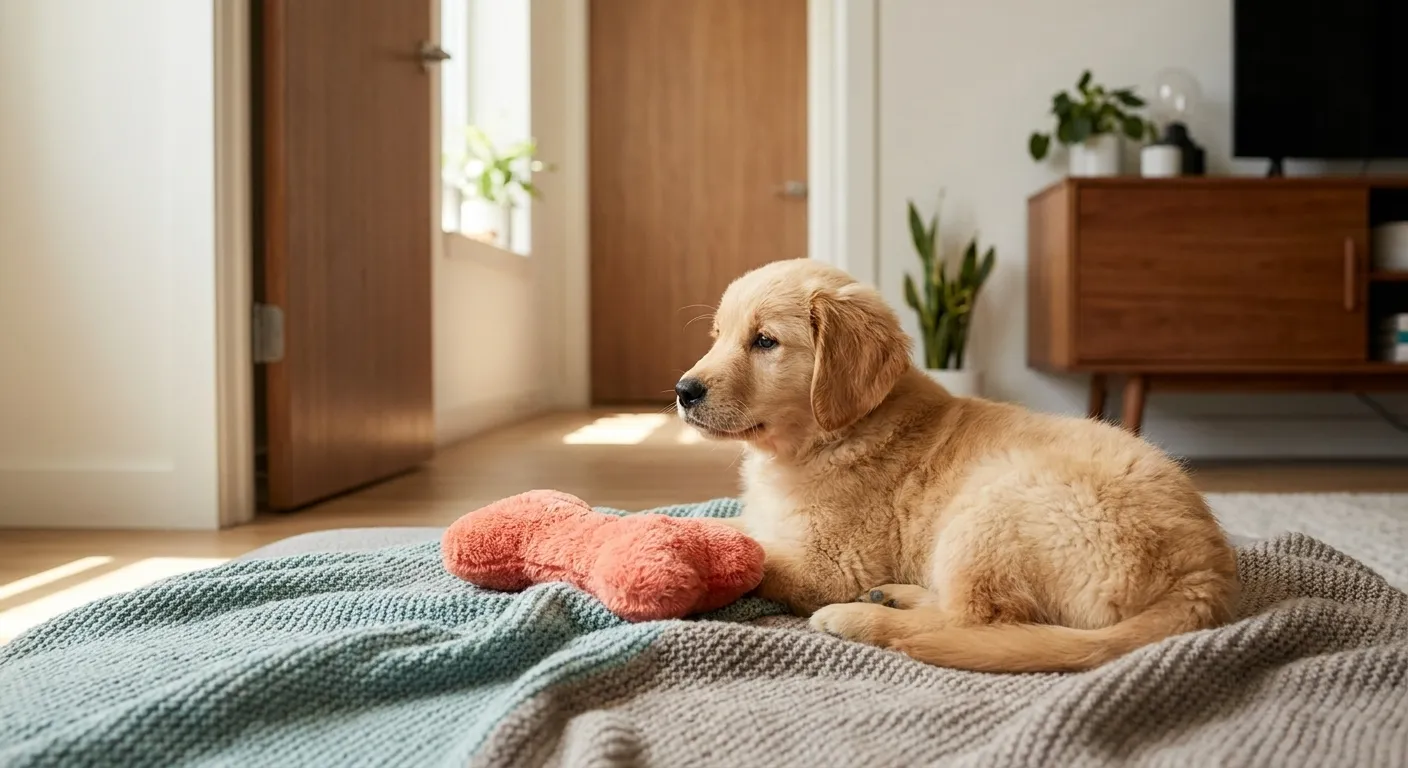
It’s truly tough to leave your adorable puppy alone, isn’t it? Yet, it’s a reality for many busy owners. If your furry friend struggles when you’re out the door, you might be dealing with puppy separation anxiety. This isn’t just about missing you; instead, it’s a genuine distress response. It can manifest in various ways, from destructive chewing to excessive barking or even accidents inside. The good news is that many cases of mild puppy separation anxiety can be prevented or managed with patience and consistent training. This helps your pup feel secure even when you’re not around.
Understanding Puppy Separation Anxiety
As new puppy parents, we often worry if our pups are truly happy or if their behaviors signal something more. Knowing the difference between normal puppy antics and genuine distress is key. Therefore, let’s explore what this common challenge truly means for your young companion.
What is Puppy Separation Anxiety?
Firstly, it’s important to understand that separation anxiety in puppies is a fear-based condition. Your puppy isn’t acting out of spite; rather, they are experiencing significant emotional distress because they believe they are being abandoned or are unsafe without you. This deep-seated fear can trigger a range of behaviors, all stemming from an intense need for security and companionship. It’s a natural instinct for puppies to want to be with their pack, and when they are left alone, especially for the first time, this instinct can become overwhelming.
Moreover, this anxiety can develop for various reasons. For example, a sudden change in routine, a move to a new home, or even a traumatic event can trigger it. Some puppies are also predisposed to it due to genetics or early life experiences. Understanding the root cause can help tailor your approach to managing your puppy’s distress when left alone.
Recognizing Signs of Puppy Separation Distress
How do you know if your puppy is experiencing separation anxiety versus just being a normal, energetic puppy? Look for these specific signs that occur only when you leave or are about to leave. These behaviors are not typically present when you are home.
- Excessive Barking or Whining: Persistent vocalization that doesn’t stop after a few minutes. This isn’t just a few barks; it’s often continuous and frantic.
- Destructive Chewing: Targeting doors, windows, or items with your scent. Notably, this chewing is often focused on escape routes or items that smell like you, indicating a desperate attempt to reunite.
- Pacing or Trembling: Restlessness or physical signs of anxiety. Your puppy might pace back and forth, shiver, or appear generally unsettled.
- House Soiling: Accidents inside, even if your puppy is otherwise potty trained. Significantly, these accidents happen despite having recently been outside, and are a stress response.
- Escape Attempts: Trying to get out of their crate or room. This can lead to self-injury, so it’s crucial to ensure their space is secure and safe.
These behaviors are often coupled with an overly excited greeting when you return. It’s important to differentiate this from normal puppy mischief; separation anxiety is about distress, not defiance. If your puppy chews on furniture when you’re home, it might be boredom, but if it only happens when you leave, it’s a strong indicator of anxiety about being alone.
Gentle Steps to Manage Puppy Separation Anxiety
Addressing puppy separation anxiety requires a gradual, empathetic approach to build your pup’s confidence being alone. Patience is indeed your best friend during this process. Remember, we want to gently guide them towards feeling secure, not force them into it. These steps are designed to be supportive and positive, helping your puppy learn that being alone can be a calm experience.
1. Practice Short Departures
Start small, as even a minute can feel like an eternity to an anxious pup. Leave your puppy alone for just 1-2 minutes, then return calmly. Gradually increase the time over days or weeks, always observing your puppy’s comfort level. For instance, you might leave for 5 minutes, then 10, then 15. The key is to return before they become distressed. Importantly, don’t make a big fuss when leaving or returning. A quiet departure and a calm greeting help normalize your absence. This consistent practice helps your puppy understand that you always come back. Moreover, this approach is foundational for building their trust.
2. Create a Safe and Comforting Space
A comfortable crate or a designated puppy-proofed room can be their safe haven. Ensure they have access to water and appropriate chew toys, like a KONG filled with frozen peanut butter. This provides a positive association with their alone time. You might also consider leaving a piece of your worn clothing in their space; your scent can be incredibly reassuring. Furthermore, a calming scent diffuser designed for pets or soft, classical music can also help create a serene environment. This dedicated space helps reduce overall dog anxiety.
3. Desensitize Departure Cues
Your puppy quickly learns your ‘leaving’ routine – grabbing keys, putting on shoes, picking up your bag. Practice these actions without actually leaving. For example, grab your keys, then sit down and watch TV. Put on your shoes, then take them off. This helps break the association between the cue and your departure, making your actual exit less alarming. This technique is a subtle yet powerful way to reduce anticipatory anxiety. Meanwhile, your puppy learns that these actions don’t always mean you’re leaving.
4. Exercise Before Leaving
A tired puppy is, in fact, a good puppy. A vigorous play session or a brisk walk before you leave can help them settle down for a nap while you’re gone. Physical exercise helps burn off excess energy and can promote a calmer state. Always make sure they have a potty break right before you leave too. Consequently, they will be less likely to have accidents due to full bladders or boredom. Consider a longer walk or an engaging game of fetch to truly tire them out.
5. Avoid Dramatic Goodbyes and Hellos
Keep your departures and arrivals low-key. A big emotional farewell or an overly excited greeting can heighten your puppy’s anxiety, making them feel your absence more acutely. Instead, aim for a calm, quiet exit and a relaxed return. Wait until your puppy is calm before acknowledging them upon your return. This teaches them that your coming and going are normal, uneventful parts of life. This also aligns with confident dog parent habits.
6. Consider Enrichment and Distraction
When you do leave, provide engaging distractions. Puzzle toys filled with treats, long-lasting chews, or snuffle mats can keep your puppy occupied and mentally stimulated. This shifts their focus from your absence to a rewarding activity. Moreover, rotate these toys so they remain novel and exciting. This helps create a positive association with being alone, turning a potentially stressful time into a fun challenge. You can also explore good dog behavior at home strategies to enrich their environment.
7. Rule Out Other Medical Issues
Sometimes, behaviors that look like separation distress can stem from underlying medical conditions. For example, increased urination could be a urinary tract infection, and excessive chewing might be due to dental pain. Therefore, it’s always a good idea to consult your veterinarian to rule out any health problems contributing to your puppy’s behavior. A clean bill of health ensures you are addressing the behavioral issue directly.
8. When to Seek Professional Help for Severe Cases
While many mild cases of puppy separation anxiety can be managed at home, some puppies experience severe distress. If your puppy is injuring themselves, causing significant destruction, or showing no improvement despite consistent training, it might be time to seek professional help. A certified professional dog trainer or a veterinary behaviorist can offer tailored strategies and, if necessary, discuss medication options in conjunction with behavioral modification. For more insights, you might read about severe separation anxiety signs.
Building Your Puppy’s Confidence Alone
The journey to helping your puppy cope with being alone is about building their confidence and trust. It’s a process of teaching them that being by themselves is not something to fear, but rather a normal, safe part of their day. This confidence building extends beyond just your departures; it impacts their overall well-being and ability to adapt to different situations. Consequently, a confident puppy is a happier puppy, and a happier puppy makes for a happier home.
Furthermore, consistent routines play a huge role. Puppies thrive on predictability, so maintaining a regular schedule for feeding, potty breaks, and playtime can significantly reduce their overall stress levels. When they know what to expect, they feel more secure, even when you’re not physically present. This predictability helps to mitigate the sudden shock of your absence, making the transition smoother for them.
Also, introducing independent play from an early age can be incredibly beneficial. Encourage your puppy to entertain themselves with toys in a separate room while you are still home. This gradually teaches them that they can have fun and feel secure even without your direct interaction. This early conditioning can prevent the development of intense distress when actual alone time occurs, fostering a sense of self-reliance. This is vital for managing future instances of your puppy feeling anxious when alone.
Remember, every puppy is unique, and some may take longer to adjust than others. Celebrate small victories and be patient with setbacks. Your understanding and consistent effort are the most powerful tools you have to help your puppy overcome the challenges of puppy separation anxiety. By creating a supportive environment and employing these gentle techniques, you are setting your puppy up for a lifetime of confidence and emotional well-being. This investment in their early development will pay dividends in a calm, well-adjusted adult dog. For more information on pet health, consider resources from the American Veterinary Medical Association, or the ASPCA for specific insights on separation anxiety.
Managing puppy separation anxiety is a process, not an overnight fix. With consistent, positive reinforcement, you can teach your puppy that being alone is safe and even enjoyable. This leads to a calmer, happier pup and a less stressful household for you. Your dedication will help your furry friend grow into a well-adjusted companion who feels secure whether you’re home or away.
FAQ: Helping Your Puppy Cope Alone
How long does it take for a puppy to get over being alone?
The time it takes for a puppy to adjust to being alone varies greatly. Some puppies may show improvement within a few weeks of consistent training, while others might need several months. It largely depends on the individual puppy’s temperament, the severity of their distress, and the consistency of your training approach. Patience and gradual exposure are key to success.
Can a puppy grow out of separation distress?
While some mild cases of puppy anxiety when alone might improve as a puppy matures and gains confidence, it’s not something they typically

