
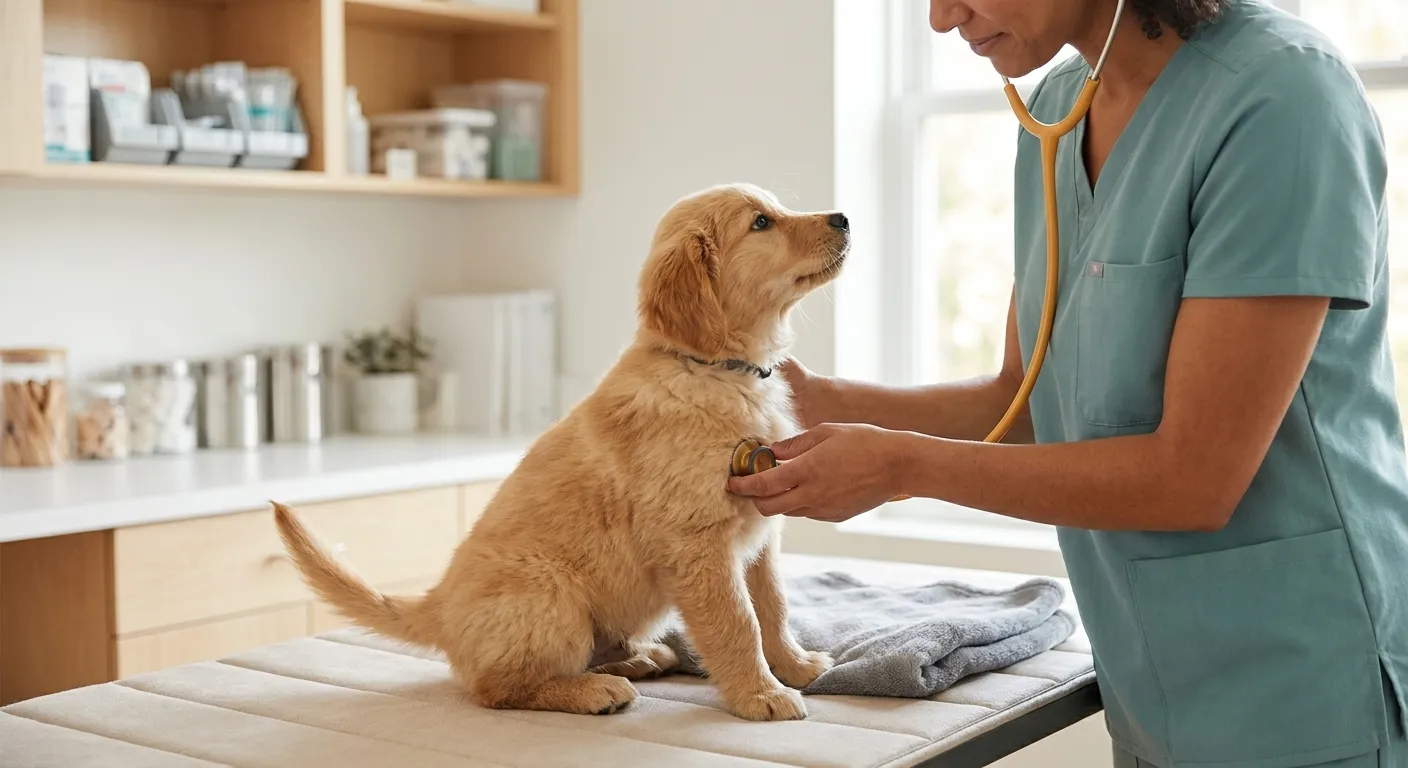
The puppy first vet visit is a foundational step in your new companion’s health journey. Indeed, it’s much more than just shots and a check-up; it’s a wonderful opportunity to establish a positive relationship with your veterinary team. Moreover, it sets your puppy up for comfortable future visits. For first-time pet parents, the sheer volume of information can feel overwhelming. However, with a little preparation, you can make this initial experience calm and reassuring for both you and your pup. Let’s ensure it’s a positive start together!
Bringing a new puppy home is incredibly exciting, yet it also comes with a lot of responsibilities. Among these, ensuring their health is paramount. A positive initial experience at the vet can shape your puppy’s perception of veterinary care for years to come. Consequently, investing time in preparation is truly worthwhile. Our goal is to help you feel confident and prepared, transforming a potentially stressful event into a manageable and even pleasant one. Remember, you’re not alone in this journey.
What to Expect at Your Puppy’s First Vet Visit
Your puppy’s initial trip to the veterinarian typically includes a thorough physical examination from nose to tail. The vet will carefully check their eyes, ears, teeth, heart, lungs, and joints. This comprehensive check-up helps identify any immediate health concerns. Furthermore, they will discuss a vaccination schedule tailored to your puppy’s needs, deworming protocols, and essential flea and tick prevention strategies. Microchipping is also a common topic, offering an important layer of security for your beloved pet. Meanwhile, this is your prime chance to ask any questions you have. Think about nutrition, training, behavior, or any concerns specific to your puppy’s breed or background. Don’t hesitate to write down questions beforehand; this way, you won’t forget anything important in the moment. Preparing a list ensures you get all the information you need to feel fully informed.
During this visit, your veterinarian will also likely discuss the importance of early socialization. This is crucial for developing a well-adjusted dog. They might offer advice on puppy classes or safe ways to introduce your puppy to new sights and sounds. Additionally, dental health will be introduced as a vital aspect of long-term care. You’ll learn about puppy food recommendations, appropriate exercise levels, and even tips for crate training. In essence, this appointment serves as a comprehensive introduction to responsible pet ownership, providing a solid foundation for your puppy’s healthy life.
The Importance of Early Veterinary Care
Early veterinary care is not just about vaccinations; it’s about preventive health. Regular check-ups in the first few months allow your vet to catch potential issues early. For example, some puppies may have congenital conditions that are easier to manage if detected soon after birth. Moreover, establishing a relationship with a trusted vet team provides you with a reliable resource for all your future questions and concerns. This ongoing support is invaluable for first-time owners. Consider this initial visit as building a partnership for your puppy’s lifelong well-being. It’s a proactive approach to pet health, which ultimately saves you stress and potential costs down the line. A strong start leads to a healthier, happier puppy.
Making the Puppy First Vet Visit Stress-Free
To help ensure a positive experience for your puppy, consider these proactive tips. Taking these steps can significantly reduce anxiety for both of you. Ultimately, a calm preparation leads to a calmer visit.
- Practice Handling: At home, gently touch your puppy’s paws, ears, and mouth. This process, known as desensitization, helps them get comfortable with being handled. It’s crucial for future exams, grooming, and even nail trims. Reward them with treats and praise during these short sessions.
- Carrier/Crate Acclimation: If you plan to use a carrier, make it a positive space. Leave it open with treats and toys inside for your puppy to explore at their leisure. Practice short car rides ending in fun destinations, not just the vet. This helps them associate the carrier and car with pleasant experiences.
- Bring High-Value Treats: Distraction is truly your friend! Super yummy treats (like small pieces of cheese, cooked chicken, or peanut butter on a spoon) can create powerful positive associations with the vet’s office. They also help distract your puppy during vaccinations or examinations.
- Socialization Opportunities: If your vet allows, visit the clinic just to say hello and get treats from the staff, without an actual exam. This helps your puppy associate the place with good things and friendly faces, rather than just pokes and prods. You might even consider linking this to Good Dog Behavior Starts at Home by reinforcing calm greetings.
- Stay Calm: Your puppy is incredibly sensitive to your emotions. They can sense your anxiety. Therefore, project a calm, confident demeanor. Praise your puppy for being brave and cooperative. Your calm energy will help them feel more secure.
- Early Arrival: Arrive a few minutes early for your appointment. This allows your puppy to get used to the sounds and smells of the clinic before their name is called. A relaxed arrival can set a better tone for the entire visit.
- Keep it Short and Sweet: If possible, try to schedule your puppy’s first vet visit during a time when the clinic is less busy. This can reduce waiting times and overstimulation for your young pup.
Choosing the Right Veterinary Clinic
Selecting the right veterinary clinic is another key aspect of preparing for your puppy’s initial health check. Look for a clinic that emphasizes compassionate care and has staff who are experienced with puppies. Some clinics even offer

