
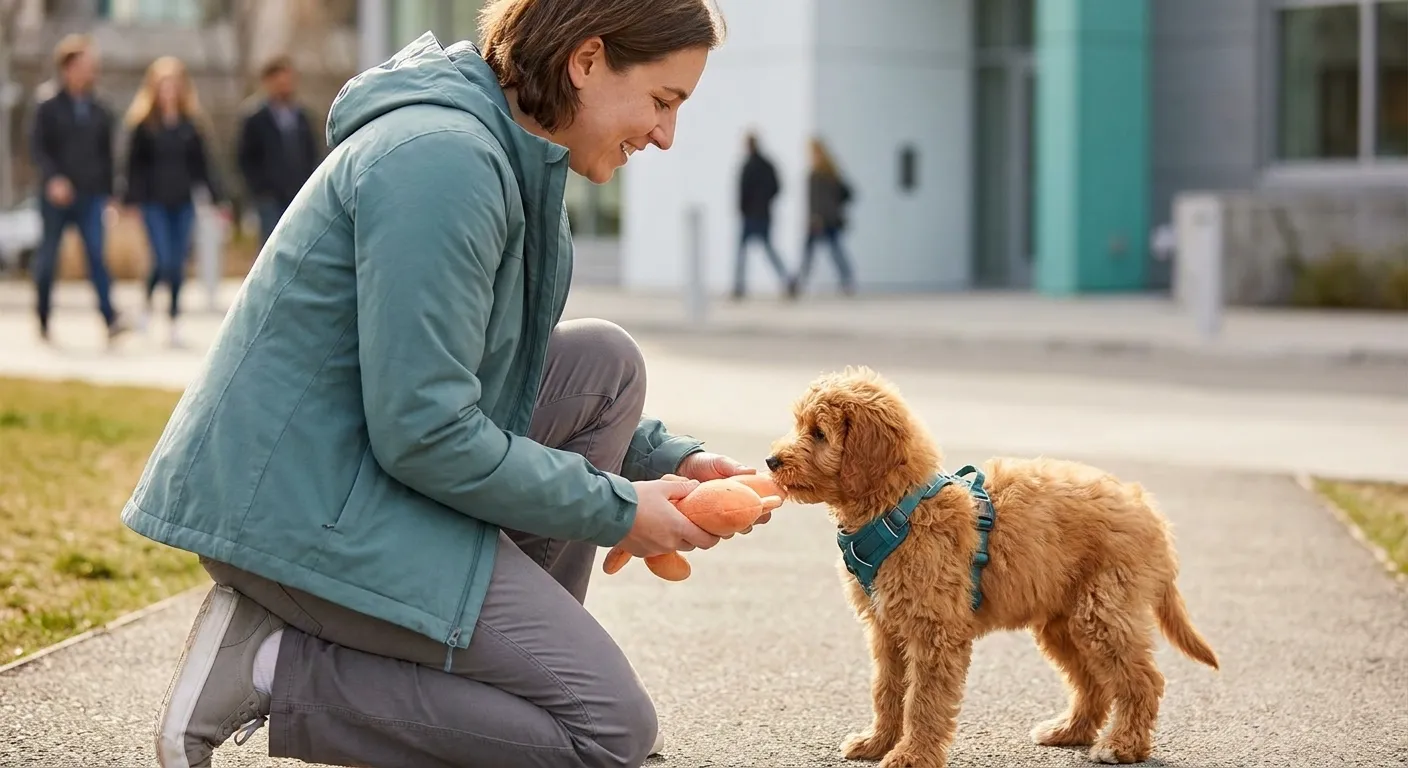
City life offers endless adventures, but for a new puppy, the constant sights, sounds, and smells of an urban environment can be overwhelming. Proper city puppy socialization is essential to help your pup become a confident, calm companion amidst the hustle and bustle. It’s not just about exposure; it’s about creating positive associations with common city experiences, turning potential stressors into familiar, even enjoyable, parts of their day. Let’s make your urban pup a well-adjusted city dweller!
The Unique Challenges of Raising a City Pup
Unlike puppies raised in quieter environments, city puppies face a unique set of sensory inputs from day one. Honking cars, busy sidewalks, loud sirens, diverse crowds, public transportation, and limited green spaces can all be intense. Without proper exposure to urban environments, these experiences can lead to anxiety, fear, and reactive behaviors. Our goal is to introduce these elements gradually and positively, building their resilience and comfort level. Therefore, understanding these unique challenges is the first step towards successful urban puppy training.
Why Early Urban Socialization Matters So Much
The first few months of a puppy’s life are a critical window for learning and development. During this time, every experience shapes their perception of the world. For an urban puppy, positive early experiences with city sights and sounds are crucial. In fact, neglecting this period can lead to lasting behavioral issues. For example, a puppy that isn’t properly introduced to loud noises might develop a fear of thunderstorms or fireworks later on. Conversely, a well-socialized pup will see new experiences as opportunities rather than threats. This foundation is key for their future happiness and your peace of mind.
Practical Tips for City Puppy Socialization
Making city life enjoyable for your puppy involves a strategic, step-by-step approach. Remember, patience and positive reinforcement are your best tools. Moreover, always observe your puppy’s body language; if they seem stressed, it’s time to take a break or reduce the intensity.
1. Controlled Exposure to City Sounds
Start by playing recordings of city sounds (traffic, sirens, construction) at a low volume at home while your puppy is relaxed or eating. Gradually increase the volume as they become accustomed to it. This desensitizes them before they even step outside. In addition, you can use desensitization apps or YouTube videos designed for pet owners. Always pair these sounds with something positive, like a favorite treat or a calm cuddle. Consequently, your puppy will begin to associate these sounds with comfort and safety.
2. Observation from a Distance: The Power of ‘Look and Learn’
Begin outdoor socialization by finding a quiet spot near a busy area (e.g., a park bench overlooking a street). Let your puppy observe from a safe distance, rewarding calm curiosity with high-value treats. Avoid forcing interaction or pushing them too close if they show signs of stress. Instead, allow them to process the environment at their own pace. This method, often called ‘look and learn,’ empowers your puppy to build confidence on their terms. Remember, short, positive sessions are far more effective than long, overwhelming ones. This helps them reduce dog anxiety in unfamiliar settings.
3. Positive Encounters with People & Objects
Encourage gentle interactions with different types of people (kids, people with hats, umbrellas, strollers). Allow your puppy to investigate stationary objects like lampposts or benches. Always ensure interactions are positive and supervised. Furthermore, teach people how to properly greet your puppy – a gentle approach, no sudden movements, and offering a treat if appropriate. This helps your puppy develop positive associations with the diverse population they’ll encounter daily. Similarly, expose them to different surfaces, such as grates, stairs, and escalators (carrying them if necessary and safe). This broadens their experience in a controlled manner.
4. Public Transport Practice (if applicable)
If you plan to use public transport, practice short, calm exposures. Carry your puppy in a carrier on a bus or train for a stop or two, rewarding quiet behavior. Gradually increase duration. For instance, start during off-peak hours when it’s less crowded. This helps them get used to the movement, sounds, and smells without being overwhelmed. Always prioritize their comfort and safety. As a result, they’ll learn that public transport can be a routine and even enjoyable part of their day.
5. Focus on Calmness: Teaching a ‘Settle’
Teach a ‘settle’ command or encourage quiet chewing on a mat while people or traffic pass by. This teaches them to remain calm amidst distractions. A ‘settle’ command is incredibly valuable in a bustling city. It gives your puppy a clear instruction on what to do when things get busy, fostering a sense of control and predictability. For example, if you’re sitting at an outdoor cafe, asking your puppy to ‘settle’ on their mat can prevent overstimulation and promote relaxation. This approach contributes to stress-free dog habits in various environments.
6. Navigating Crowds and Busy Sidewalks
City life often means navigating crowded sidewalks. Start by walking your puppy during off-peak hours in less busy areas. Gradually, introduce them to busier streets for very short periods. The key is to keep moving calmly and confidently. Reward your puppy for walking nicely by your side, ignoring distractions. If they seem overwhelmed, find a quiet spot to observe from a distance again. Using a comfortable harness and a sturdy leash is also important for their safety and your control. Moreover, consider practicing some positive reinforcement training for better dog walks to ensure they stay focused on you.
7. Exposure to New Smells and Textures
Cities are full of interesting smells and textures. Allow your puppy to safely investigate different surfaces, like concrete, grass patches, grates, and even puddles (if clean). Let them sniff lamp posts and fire hydrants, as long as it’s safe and clean. These sensory experiences contribute significantly to their overall development and comfort in diverse environments. In fact, scent work can be a wonderful way to engage your puppy’s brain and build confidence. Therefore, don’t rush past every interesting smell; let them explore briefly.
8. Safe Green Spaces and Dog Parks
Even in the city, finding safe green spaces is vital. Utilize designated dog parks or smaller neighborhood parks for off-leash play and interaction with other dogs. However, always ensure the environment is safe and the other dogs are friendly. Supervise interactions closely. These spaces provide crucial opportunities for canine socialization, allowing your puppy to learn appropriate play behaviors. Before visiting a dog park, ensure your puppy has received all necessary vaccinations. For instance, many vets recommend waiting until puppies are fully vaccinated before extensive dog park visits. This helps them develop good dog behavior starts at home, extending to public spaces.
Understanding Your Puppy’s Body Language During Urban Socialization
Recognizing your puppy’s cues is paramount during urban puppy training. They can’t tell you in words if they’re feeling overwhelmed or scared, but their body will. Look for signs like tail tucked, ears flattened, yawning excessively, lip licking, panting when not hot, or trying to hide behind you. These are all indicators of stress. If you see these signs, it’s time to either increase the distance from the stimulus or end the session. Conversely, loose body language, a wagging tail, relaxed ears, and gentle sniffing indicate a comfortable and curious pup. Always aim to keep experiences positive and within their comfort zone. Remember, every puppy is an individual, so what might be fine for one might be too much for another.
The Importance of Continued Exposure to Urban Environments
Socialization isn’t a one-and-done event; it’s an ongoing process, especially in a dynamic city. As your puppy grows, continue to expose them to new sights, sounds, and experiences. Introduce them to different parts of the city, varying your routes and destinations. This reinforces their confidence and adaptability. Furthermore, even after their critical socialization window closes, regular, positive exposure ensures they remain well-adjusted. Think of it as maintaining their ‘socialization muscles.’ Consistent, positive experiences with city life help solidify their calm and confident demeanor. A well-adjusted dog is a joy to live with, making both your lives richer. For further reading on canine behavior, consider resources like the ASPCA’s guide on dog socialization.
Building a Strong Bond Through Urban Puppy Training
The journey of socializing your puppy for city life is also an incredible opportunity to strengthen your bond. When you guide them patiently through new experiences, offering comfort and reassurance, you become their trusted leader. This trust is invaluable. Your puppy learns to look to you for guidance and safety, which is essential for managing the unpredictable nature of urban environments. Engaging in positive reinforcement training during these outings not only teaches them desired behaviors but also deepens your connection. For example, practicing ‘look at me’ in a busy park can be a powerful bonding exercise. Your presence and calm demeanor are the most important tools you have in helping your puppy thrive in the city. Moreover, understanding how to communicate effectively with your puppy will help you both navigate the city with ease.
Addressing Common Concerns During City Puppy Socialization
Many new city puppy owners worry about specific challenges. Let’s address a few:
- Loud Noises: As mentioned, desensitization at home is key. Out on walks, if a sudden loud noise occurs, stay calm. Your reaction will influence your puppy’s. If they startle, gently reassure them and try to redirect their attention with a treat. Avoid coddling, which can inadvertently reinforce fear.
- Strangers and Other Dogs: Always ask permission before allowing your puppy to greet other dogs or people. Not every dog or person is friendly or wants an interaction. Teach your puppy a ‘leave it’ command to help them disengage from unwanted distractions. This also helps with confident dog walks.
- Limited Green Space: Maximize what you have. Even small grassy patches or community gardens can provide a nature break. Consider doggy daycare for off-leash play if private outdoor space is scarce. Regular walks, even on pavement, are still crucial for mental and physical exercise.
- Pollution and Dirt: Be mindful of hot pavement, broken glass, and litter. Always check the ground temperature with your hand before walking. Invest in good paw protection if needed. After walks, inspect your puppy’s paws and coat for any debris.
Remember, your proactive approach to city puppy socialization makes all the difference. Your dedication helps your puppy learn to thrive.
Professional Guidance and Resources for Urban Puppy Training
While these tips offer a strong foundation, sometimes professional guidance can be invaluable. Consider enrolling your puppy in a local puppy class or working with a certified professional dog trainer who specializes in urban environments. They can provide tailored advice and help you navigate specific challenges unique to your city and your puppy. Many trainers offer specialized dog training programs designed for urban living. Online resources and reputable books on dog behavior can also offer additional support. For example, the American Kennel Club (AKC) provides extensive information on puppy socialization and training. Never hesitate to seek help if you’re feeling overwhelmed; there’s a supportive community ready to assist you in raising a happy, well-adjusted urban dog.
Conclusion: Confident Pups, Happy City Life
Remember to keep initial outings short and positive, always ending before your puppy becomes overwhelmed. With consistent, gentle socialization for urban puppies, your pup will learn to navigate their urban world with confidence, making them a fantastic city companion ready for any adventure. Raising a confident city dog is a rewarding experience that enriches both your lives. By being empathetic, encouraging, and clear in your approach, you’re not just socializing a puppy; you’re building a lifelong foundation of trust and happiness. Your urban pup will thank you for it with wagging tails and calm curiosity, ready to take on the city with you by their side.
FAQ
How often should I take my puppy out for urban exposure?
Initially, aim for short, frequent outings – perhaps 5-10 minutes, several times a day. As your puppy gains confidence, you can gradually increase the duration. The key is to stop before they become overwhelmed, always ending on a positive note.
Is it safe to take my unvaccinated puppy outside for city exposure?
This is a common concern. While it’s crucial to protect your puppy from diseases, the critical socialization window closes around 16 weeks. Many vets recommend controlled exposure in low-risk environments (like carrying them in a bag or observing from a distance) before they are fully vaccinated. Always consult your veterinarian for specific advice tailored to your puppy and local disease risks.
What if my puppy shows fear or aggression during urban encounters?
If your puppy shows fear (like tucking their tail, trying to hide) or aggression (growling, snapping), immediately remove them from the situation. Do not force interaction. Seek guidance from a certified professional dog trainer specializing in fear or reactivity. These behaviors often require a structured approach to address safely and effectively.
How can I make apartment living easier for my city puppy?
Apartment living requires special considerations. Ensure your puppy gets enough mental and physical exercise daily. Use puzzle toys, indoor games, and short, frequent walks. Establish a consistent potty schedule. Crate training can also provide a safe, den-like space for them. Remember, a tired puppy is a happy apartment dweller!
Are there specific breeds that are better suited for urban environments?
While some breeds are often cited as ‘city dogs’ (like French Bulldogs or Boston Terriers), ultimately, a dog’s temperament and how well they are socialized matter more than their breed. Any dog, with proper urban environment training and consistent positive exposure, can thrive in a city setting. It’s all about meeting their individual needs and providing the right guidance.

