
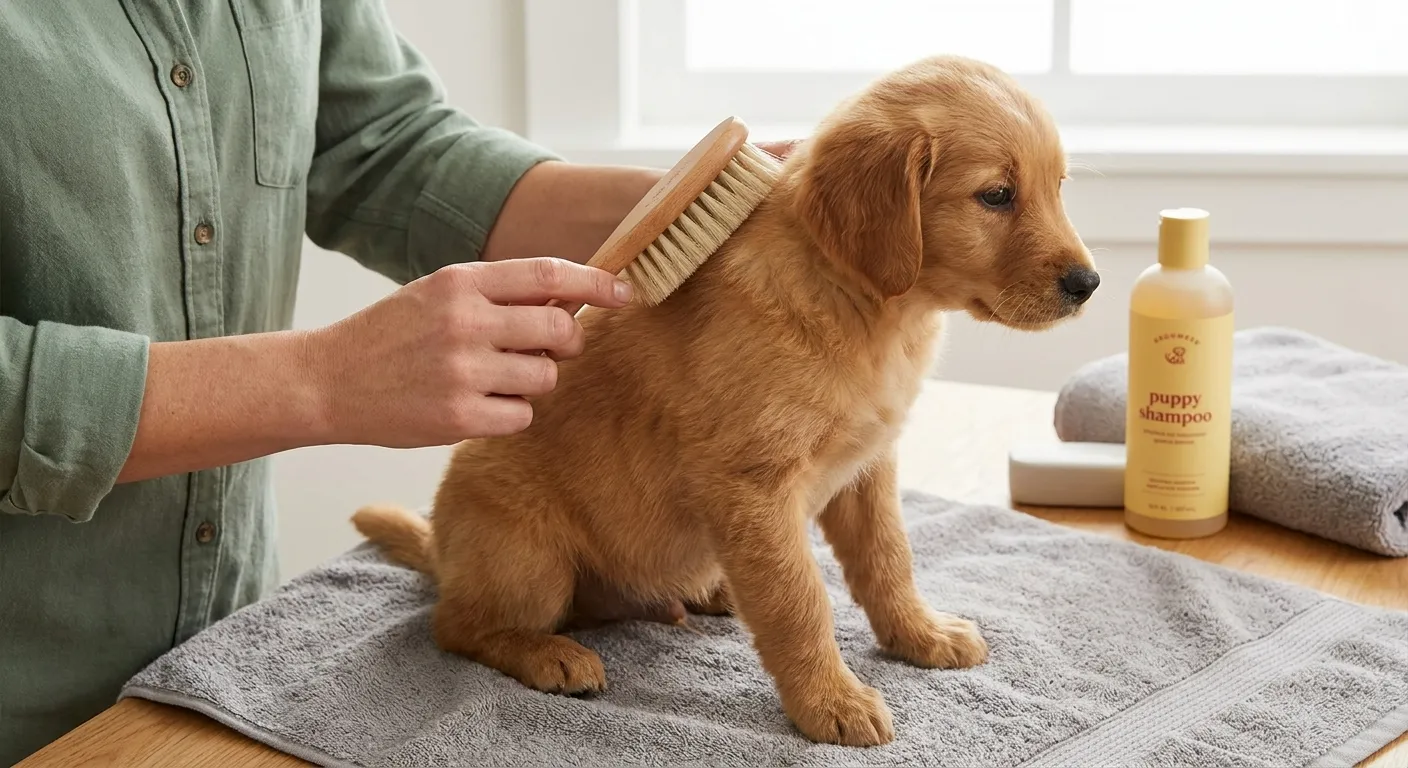
Grooming might seem like just a beauty routine, but for your puppy, it’s a vital part of their health, hygiene, and overall well-being. Introducing puppy grooming basics early and positively can prevent future struggles and build a stronger bond between you. It doesn’t have to be daunting, even for busy first-time owners. Let’s make it a gentle, enjoyable experience for your little one.
Many new puppy parents feel a bit overwhelmed by the idea of grooming. You might worry about hurting your pup or making them scared. However, with a calm approach and consistent positive reinforcement, you can transform these necessary tasks into bonding opportunities. Remember, every positive interaction builds trust. Therefore, approaching grooming with patience and love is key. We’re here to guide you through each step, making it simple and stress-free for both of you.
Introduce Brushing as a Cuddle Session
Regular brushing helps keep your puppy’s coat healthy, prevents mats, and reduces shedding. More importantly, it’s a fantastic opportunity for gentle handling and positive reinforcement. Start with short, positive sessions – just a minute or two – using a soft brush. Offer praise and a small treat during and after. Focus on making it feel like a nice massage rather than a chore. Gradually increase the duration as your puppy becomes more comfortable. This teaches them that being handled is a pleasant experience, which will be useful for vet visits and future grooming.
Indeed, choosing the right brush is important. For short-haired breeds, a rubber curry brush works wonderfully to remove loose hair and stimulate the skin. Long-haired puppies, on the other hand, might benefit from a slicker brush to detangle and prevent mats. Always be gentle, especially around sensitive areas like their belly and ears. Consequently, your puppy will learn to associate brushing with comfort and affection. Consistency is more important than duration in the beginning. Aim for a few short sessions each week, rather than one long, overwhelming one.
As your puppy grows, these brushing sessions become a routine. They are also a great chance to check their skin for any unusual bumps, redness, or parasites. Early detection of any issues can prevent more serious problems down the line. Furthermore, consistent positive experiences with handling their body will contribute to their overall good dog behavior at home, making vet visits and other necessary handling much easier. Make it a peaceful ritual, perhaps while watching TV or just relaxing together.
Gentle Nail Trims: Start Small, Stay Positive
Nail care is crucial to prevent discomfort and foot problems. Many puppies are sensitive to their paws being touched, so introduce this gently. Begin by simply touching their paws and individual toes, praising and treating them. Once they’re comfortable with that, introduce the clippers (without actually clipping) so they get used to the sight and sound. When you do trim, only snip the very tip of one or two nails at a time, then stop and praise. If you’re unsure, ask your vet or a professional groomer for a demonstration. Patience and positive reinforcement are your best tools here.
Moreover, understanding your puppy’s nail anatomy is helpful. Inside each nail is a quick, which contains blood vessels and nerves. Cutting into the quick can be painful and cause bleeding, making future nail trims much harder. For light-colored nails, the quick is usually visible as a pink area. For dark nails, it’s harder to see, so it’s always best to trim only tiny amounts. Furthermore, using sharp, puppy-specific clippers will make the process smoother. Dull clippers can crush the nail, causing discomfort.
If your puppy is particularly resistant, consider breaking the nail trimming process into even smaller steps. For example, on one day, just touch their paws. The next day, hold the clippers near their paws without doing anything else. Gradually, introduce the sound of the clippers by clipping a piece of uncooked spaghetti. This desensitization process is a core component of positive reinforcement training, building confidence rather than fear. Always end on a positive note, even if you only managed one nail. Consistency with these small steps will eventually lead to successful nail maintenance.
Make Bath Time a Splash, Not a Struggle
Not all puppies love baths, but with a gentle approach, you can make it tolerable, even enjoyable. Use puppy-specific shampoo and lukewarm water. Place a non-slip mat in the tub or sink. Start by just wetting their paws, praising and offering treats. Gradually work your way up. Keep the water out of their ears and eyes. Make it quick, calm, and end with a warm towel and plenty of cuddles. The key is to avoid making it a scary experience, so they associate it with gentle handling and pleasant sensations.
Before bath time, brush your puppy’s coat thoroughly to remove any loose hair or mats. This prevents mats from tightening when wet, which can be uncomfortable. Gather all your supplies beforehand: shampoo, towels, cotton balls for ears (if recommended by your vet), and plenty of treats. This preparation helps keep the process smooth and prevents you from scrambling mid-bath. Remember, your calm demeanor will help your puppy stay calm too.
During the bath, speak in a soothing voice. Avoid using high-pressure water, which can be startling. Gently massage the shampoo into their coat, being careful around their face. Rinse thoroughly to prevent skin irritation. After the bath, wrap your puppy in a warm towel and gently pat them dry. Some puppies tolerate a low-setting hairdryer, but introduce this slowly and ensure it’s not too hot or loud. These early experiences with puppy care and other stress-free dog habits are foundational for a well-adjusted adult dog.
Ear Cleaning: A Quick Check-Up
Ear cleaning is another vital aspect of puppy grooming basics. Puppies, especially those with floppy ears, are prone to ear infections. Regular, gentle cleaning can prevent these issues. You’ll need a vet-approved ear cleaning solution and some cotton balls or gauze. Never use cotton swabs, as they can push debris further into the ear canal.
Begin by simply touching and inspecting your puppy’s ears, praising and treating them for their cooperation. Once they are comfortable with this, apply a small amount of ear cleaner to a cotton ball. Gently wipe the visible parts of the ear, avoiding going deep into the ear canal. If you notice any redness, strong odor, excessive discharge, or if your puppy seems to be in pain, consult your veterinarian immediately. These could be signs of an infection requiring professional attention. Establishing these simple puppy grooming routines early helps prevent future health problems.
Moreover, consistent ear checks during your weekly grooming routine can help you spot issues early. Puppies with allergies might also experience ear irritation more frequently. Therefore, understanding your puppy’s specific needs and consulting your vet for personalized advice is always a good idea. Building a positive association with ear handling now will make future vet visits for ear checks much less stressful.
Eye Care: Keeping Them Bright and Clear
Your puppy’s eyes are delicate and require gentle attention as part of their overall grooming. Some breeds are more prone to tear staining or debris accumulation around their eyes. Using a soft, damp cloth or a vet-approved eye cleaner, gently wipe away any crust or discharge from the corners of their eyes. Always wipe away from the eye, never directly into it.
Just like with ear cleaning, if you notice any excessive redness, swelling, discharge, or if your puppy is squinting or pawing at their eyes, it’s time to contact your vet. These could indicate an infection, injury, or other health concern that needs professional medical care. Regular, gentle eye cleaning is a simple yet effective way to maintain their eye health and comfort. This attention to detail is part of being a confident dog parent, ensuring your pup’s well-being.
Furthermore, teaching your puppy to be comfortable with having their face touched is incredibly beneficial. This can be integrated into your daily cuddle sessions. Gently touch their muzzle, cheeks, and around their eyes, always rewarding them for calm behavior. These small, consistent steps in puppy grooming build a foundation of trust and cooperation that will last a lifetime.
Dental Hygiene: More Than Just Fresh Breath
Often overlooked in initial puppy grooming training, dental care is incredibly important for your puppy’s long-term health. Periodontal disease is very common in dogs and can lead to serious health issues if left untreated. Starting a dental routine early will set your puppy up for a lifetime of good oral hygiene.
Begin by simply touching your puppy’s mouth and gums, praising and treating them. Once they are comfortable, introduce a finger brush or a soft puppy toothbrush with dog-specific toothpaste (never use human toothpaste, as it contains ingredients toxic to dogs). Start with very short sessions, just a few seconds, gently rubbing their teeth and gums. Gradually increase the duration as they get used to the sensation. Making dental care a positive experience is a core part of comprehensive puppy grooming.
Additionally, dental chews and toys designed to promote oral health can supplement brushing, but they are not a substitute for it. Aim to brush your puppy’s teeth several times a week, ideally daily. If you’re unsure about the best dental care routine for your puppy, your veterinarian can provide guidance and even demonstrate proper brushing techniques. Prioritizing their dental health is an investment in their overall well-being and a crucial aspect of responsible pet ownership.
Creating a Positive Grooming Routine for Your Puppy
The overarching theme for all aspects of puppy grooming is positive reinforcement. Every interaction should be gentle, calm, and accompanied by praise and treats. Keep sessions short, especially when introducing something new. If your puppy shows signs of stress or fear, stop and try again later, or break the task down into even smaller steps. Patience is truly a virtue when teaching your puppy to accept grooming.
Consistency also plays a huge role. Regular, short grooming sessions are far more effective than infrequent, long, and stressful ones. By integrating these practices into your weekly routine, you’ll help your puppy see grooming as a normal, even pleasant, part of their life. This early positive exposure to handling and care will not only make future grooming easier but also strengthen the bond you share. Ultimately, these safe family dog habits contribute to a well-adjusted and happy companion. Remember, you’re not just cleaning your puppy; you’re teaching them to be confident and comfortable with human touch.
Finally, remember that professional groomers are a wonderful resource. If you find yourself struggling with any aspect of puppy grooming, don’t hesitate to seek their help. They can offer valuable tips, demonstrate techniques, or even take over tasks that you find challenging. The goal is a happy, healthy puppy, and there’s no shame in seeking support to achieve that. Embrace these puppy grooming basics to nurture a well-adjusted companion.
The Benefits of Early and Consistent Puppy Grooming
Beyond hygiene, early and consistent puppy grooming offers a wealth of benefits. Firstly, it helps you detect potential health issues early, such as skin infections, parasites, or lumps. Regular handling allows you to become intimately familiar with your puppy’s body, making it easier to spot anything out of the ordinary. This proactive approach to health is invaluable for any pet parent.
Secondly, it significantly enhances your puppy’s comfort and confidence. A puppy accustomed to being handled, touched, and groomed is generally less anxious during vet visits or when meeting new people. This early socialization to touch is just as important as exposure to new sights and sounds. In fact, it contributes to their overall resilience and adaptability in various situations. It really lays the groundwork for a calm, confident adult dog.
Thirdly, grooming sessions are powerful bonding opportunities. They provide dedicated, one-on-one time where you are gently caring for your puppy. This builds trust and reinforces your role as a benevolent leader. The quiet, focused attention strengthens your relationship, creating a deeper connection. Moreover, a well-groomed puppy often feels better, leading to a happier disposition. All these aspects make puppy grooming an essential part of responsible pet ownership, setting your furry friend up for a lifetime of happiness and health.
Conclusion: Embracing Puppy Grooming for a Lifetime of Happiness
Embracing puppy grooming basics from an early age is more than just about keeping your pup looking pristine. It’s about nurturing their health, building their confidence, and strengthening the incredible bond you share. By approaching each grooming task with empathy, patience, and positive reinforcement, you can transform potentially stressful experiences into enjoyable, bonding moments. Remember, consistency and gentleness are your best tools.
From gentle brushing and careful nail trims to calm bath times and attentive ear and eye care, every step contributes to a well-adjusted and healthy puppy. Don’t be afraid to start small, celebrate every success, and seek professional guidance when needed. Your dedication to these simple puppy grooming basics will not only ensure a clean and comfortable companion but also foster a deep sense of trust and security that will last throughout your puppy’s life. Enjoy these special moments; they truly are an investment in your pup’s future happiness.
FAQ: How often should I brush my puppy?
For most puppies, brushing a few times a week is a great starting point. If your puppy has a long or easily matted coat, daily brushing might be necessary. Short, positive sessions are better than infrequent, long ones. This helps prevent tangles and keeps their coat healthy.
FAQ: What kind of shampoo should I use for my puppy?
Always use a shampoo specifically formulated for puppies. These products are much gentler on their sensitive skin and eyes. Avoid human shampoos, as they can cause dryness and irritation. Your veterinarian can recommend a good brand.
FAQ: My puppy hates having their nails trimmed. What can I do?
Introduce nail trimming very gradually. Start by just touching their paws, then their toes, rewarding them with treats and praise. Next, introduce the clippers without actually trimming. Finally, snip just one or two nail tips at a time. If they’re still very stressed, consult your vet or a professional groomer for assistance.
FAQ: Is it okay to use human clippers for my puppy’s nails?
No, it’s best to use clippers designed specifically for dogs. Human nail clippers aren’t shaped correctly for a dog’s nails and can cause splintering or discomfort. Choose a size appropriate for your puppy’s nails.
FAQ: How can I make ear cleaning easier for my puppy?
Start by making ear handling a positive experience with treats and praise. Use a vet-approved ear cleaning solution and cotton balls, only wiping the visible parts of the ear. Keep sessions short and calm. If your puppy resists strongly or shows signs of pain, consult your veterinarian.

