
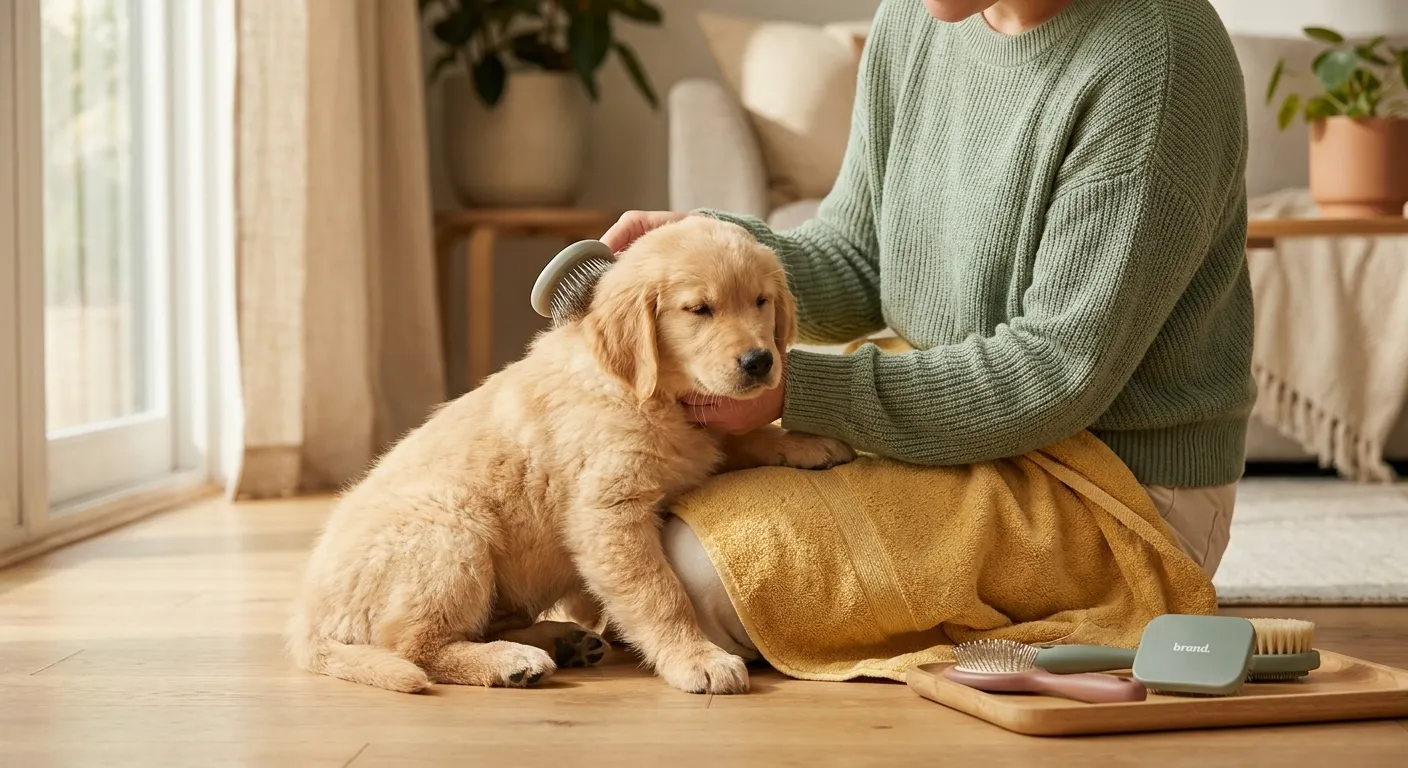
Grooming is an essential part of your puppy’s health and hygiene. However, for many new owners, it can unfortunately feel like a battle. Creating a puppy grooming positive experience from day one is crucial for building a confident, cooperative companion who genuinely enjoys being handled. This isn’t just about achieving a shiny coat; in fact, it’s about making nail trims, brushing, and bathing calm and comfortable, which ultimately reduces stress for both of you. Therefore, let’s transform grooming into a bonding opportunity, not a dreaded chore.
Why a Puppy Grooming Positive Experience Matters So Much
Early, positive introductions to grooming tools and handling prevent fear and anxiety later in life. Imagine a future where your dog willingly lets you trim their nails or brush their fur – that’s truly the goal! When grooming becomes a pleasant interaction, it strengthens your bond and makes necessary care much easier. This approach is especially helpful for busy pet parents who want to avoid stressful and expensive professional grooming visits down the line. Furthermore, it empowers you to handle basic care at home with ease. Positive reinforcement really does make all the difference in this process.
The Long-Term Benefits of Positive Grooming
Establishing a positive association with grooming early on has lasting effects. Firstly, it reduces the likelihood of your puppy developing a fear of being touched or handled, which is vital for vet visits and general well-being. Secondly, regular grooming helps you monitor your puppy’s skin and coat for any issues, such as fleas, ticks, or unusual lumps, ensuring early detection and treatment. Moreover, it provides a unique chance for quiet bonding time, deepening the trust between you and your furry friend. Truly, a happy grooming routine contributes significantly to a happy, healthy life.
Setting the Stage for a Calm Grooming Session
Before you even begin, preparing the right environment is key. Choose a quiet time when your puppy is relaxed, perhaps after a potty break or a short play session. Ensure you have all your tools ready and within reach. This might include a soft brush, a towel, some high-value treats, and perhaps even some calming music. A non-slip mat can also help your puppy feel more secure on a table or in the tub. Remember, a calm start leads to a calm experience. For instance, consider a brief cuddle session beforehand to get them settled.
Choosing the Right Tools for Your Puppy
Selecting appropriate grooming tools is essential for comfort and effectiveness. For brushes, consider your puppy’s coat type. A soft bristle brush is often ideal for short-haired breeds, while a slicker brush works well for longer or double coats. When it comes to nail clippers, choose a size that fits your puppy’s nails comfortably; guillotine or scissor-style clippers are common. Always ensure the blades are sharp to provide a quick, clean cut. Additionally, a puppy-specific shampoo, free of harsh chemicals, is a must for bath time. Consult your vet or a professional groomer if you are unsure about the best tools for your specific breed. For example, some breeds might benefit from a deshedding tool.
Gentle Steps for a Joyful Grooming Routine
Patience and consistency are your best friends when teaching your puppy to enjoy grooming. Here are some actionable steps to guide you.
- Start Small, Stay Short: Begin with very brief sessions, just a few seconds. Touch a brush to their fur, then immediately give a treat and praise. Gradually increase duration as they become more comfortable. It’s better to have many short, positive interactions than one long, stressful one.
- Introduce Tools Slowly: Let your puppy sniff and investigate the brush, nail clippers, or towel. Pair each tool’s presence with a high-value treat. Don’t even use the tool initially; just let them associate its presence with good things. This builds a positive mental connection.
- Gentle Handling: Mimic grooming actions with your hands first. Gently touch their paws, ears, tail, and muzzle. Always be soft and reassuring. If they pull away, pause, then try again gently. This helps them get used to being touched in sensitive areas.
- Positive Reinforcement is Key: Every time your puppy tolerates a touch, a brush stroke, or the sight of clippers, reward them generously with praise and treats. End the session on a positive note, even if it’s brief. This reinforces the idea that grooming leads to good things. For more on positive reinforcement, consider exploring resources from the ASPCA.
- Make it Fun: Sing, talk softly, or play calming music. Turn grooming into a quiet, enjoyable routine rather than a frantic struggle. A relaxed atmosphere helps everyone.
By following these steps, you’ll establish a puppy grooming positive experience that benefits your pup’s health and strengthens your relationship, making future care a breeze. You’re setting them up for a lifetime of comfort and confidence.
Making Bath Time a Splash, Not a Struggle
Bathing can be one of the most challenging aspects of puppy grooming, but it doesn’t have to be. Start with a non-slip mat in the tub or sink. Use lukewarm water, never hot or cold. Gently wet your puppy, talking to them soothingly throughout the process. Apply a small amount of puppy shampoo, lathering gently, then rinse thoroughly, being careful to avoid their eyes and ears. Reward with treats and praise during and after the bath. A warm towel wrap and a gentle rub-down afterward can also be a comforting end to the experience. Remember to keep early baths very short and positive. This careful approach helps to create a pleasant bathing routine for your furry friend.
Dealing with Mats and Tangles
For puppies with longer coats, mats and tangles can be a common issue. Regular brushing is the best prevention. If you encounter a mat, try to gently tease it apart with your fingers first. A detangling spray designed for dogs can also be very helpful. Always brush from the ends of the fur, working your way up to the skin. Never pull or yank on mats, as this can be painful for your puppy and create a negative association with brushing. For severe mats, it’s best to consult a professional groomer rather than risk injuring your puppy. This proactive approach ensures a more comfortable grooming session.
Nail Trims: A Step-by-Step Guide to Stress-Free Paws
Nail trimming is often the most dreaded part of grooming for both puppies and owners. However, with patience and the right technique, you can make it a comfortable routine. First, introduce the clippers slowly, letting your puppy see and sniff them, always followed by a treat. Then, gently touch their paws without clipping. Once they’re comfortable with paw handling, try touching the clippers to one nail, then immediately reward. Gradually, you can progress to trimming just the very tip of one nail, then reward again. It’s better to trim a tiny bit often than a lot infrequently. If you accidentally cut too close to the quick (the sensitive part of the nail), use styptic powder to stop any bleeding. Many new owners find it helpful to watch a video or have a vet demonstrate the proper technique. This careful process ensures a successful nail trimming experience. For instance, you might find that pairing nail trims with budget-friendly puppy enrichment activities can make the whole process more enjoyable.
Ear Cleaning and Dental Care: Beyond the Coat
Grooming extends beyond just brushing and bathing. Ear cleaning and dental care are also vital for your puppy’s overall health. For ears, gently wipe the visible part of the ear with a vet-approved ear cleaner and a cotton ball. Never insert anything into the ear canal. For dental health, aim to brush your puppy’s teeth daily with a dog-specific toothbrush and toothpaste. Start with short sessions, letting them lick the toothpaste off your finger, then gradually introduce the brush. Good oral hygiene prevents serious health issues later on. These often-overlooked aspects are crucial for your puppy’s well-being. Furthermore, a well-adjusted puppy who is comfortable with these routines is a happy puppy. You can find more information on puppy health from reputable sources like the American Kennel Club.
Building Confidence Through Consistent, Positive Reinforcement
Consistency is paramount in establishing a positive grooming routine. Regular, short sessions are far more effective than infrequent, long ones. Every interaction, no matter how brief, should end with praise and a treat, reinforcing the idea that grooming is a positive experience. If your puppy shows signs of stress or fear – such as trying to escape, growling, or nipping – stop the session immediately. Take a break, and then return to a simpler step where they were comfortable. This approach prevents overwhelming your puppy and helps them learn at their own pace. Remember, patience is a virtue, especially when working with puppies. By making grooming a part of their regular routine, similar to creating a puppy potty training schedule, you build confidence.
Overcoming Challenges and Seeking Support
It’s completely normal to encounter challenges during grooming. Some puppies are naturally more sensitive or resistant to handling. If you’re struggling, don’t get discouraged. Consider seeking guidance from a professional dog trainer or a certified groomer who specializes in positive reinforcement techniques. They can offer personalized advice and demonstrate proper handling methods. Sometimes, a different approach or tool can make all the difference. Remember, you’re not alone in this journey, and there are resources available to help you and your puppy succeed. This dedication ensures your puppy’s comfort. If your puppy is particularly anxious, it might be beneficial to revisit strategies for overcoming puppy fear.
The Rewards of a Happy, Well-Groomed Puppy
Ultimately, investing time and effort into creating a puppy grooming positive experience pays off immensely. You’ll have a puppy who is not only comfortable with necessary health and hygiene routines but also trusts you more deeply. This comfort translates into a happier, healthier companion and a less stressful life for you as an owner. Regular grooming helps maintain their skin and coat health, reduces shedding, and allows you to catch any potential issues early. Furthermore, a well-groomed puppy often feels more comfortable and confident in their own skin. This positive approach to care truly strengthens your bond.
In conclusion, transforming grooming into an enjoyable ritual is one of the best gifts you can give your puppy. It’s about more than just aesthetics; it’s about fostering trust, reducing anxiety, and ensuring a lifetime of comfortable care. Embrace patience, positive reinforcement, and gentle handling, and you’ll soon discover the joy of a puppy who loves their grooming time. You are building a strong foundation for a wonderful life together.
FAQ: Nurturing Your Puppy’s Grooming Comfort
What if my puppy really hates the nail clippers?
If your puppy strongly dislikes nail clippers, try desensitizing them further. Start by just showing the clippers, rewarding, then putting them away. Gradually progress to touching the clippers to their paw, then to a nail, always with immediate rewards. Consider using a Dremel tool instead, as some puppies tolerate the vibration better than the clipping sensation. Professional groomers can also offer guidance and demonstrate techniques.
How often should I brush my puppy?
The frequency of brushing depends on your puppy’s coat type. Short-haired breeds may only need brushing a few times a week, while long-haired or double-coated breeds might benefit from daily brushing to prevent mats and reduce shedding. Regardless of coat type, daily short, positive sessions are excellent for maintaining a positive association with handling and brushing.
When can I give my puppy their first bath?
Generally, you can give your puppy their first bath once they are at least 8 weeks old and have settled into their new home. Always use a puppy-specific shampoo to avoid skin irritation. If your puppy gets very dirty before this, consider spot cleaning with a damp cloth or a dry shampoo designed for puppies. Consult your vet if you have concerns about bathing a very young puppy.
My puppy tries to bite the brush. What should I do?
If your puppy tries to bite the brush, it’s often a sign of overexcitement or discomfort. Try redirecting their attention with a high-value chew toy or a lick mat while you brush. Also, ensure your brushing strokes are very gentle and brief, especially at first. If the biting persists, it might indicate a deeper discomfort, and consulting a professional trainer or groomer could be beneficial. Patience is key when overcoming this behavior.
How can I make grooming less stressful for a busy schedule?
Integrate grooming into your daily routine with very short, consistent sessions. Even just 2-5 minutes of gentle brushing or paw handling each day can make a huge difference. This prevents the need for longer, more overwhelming sessions. You can also combine grooming with other activities, such as a post-walk brush-down. Remember, small, frequent steps are more effective for building comfort than occasional marathon sessions, especially when you have a busy lifestyle. This mirrors the approach to nurturing puppy independence for busy owners.

