
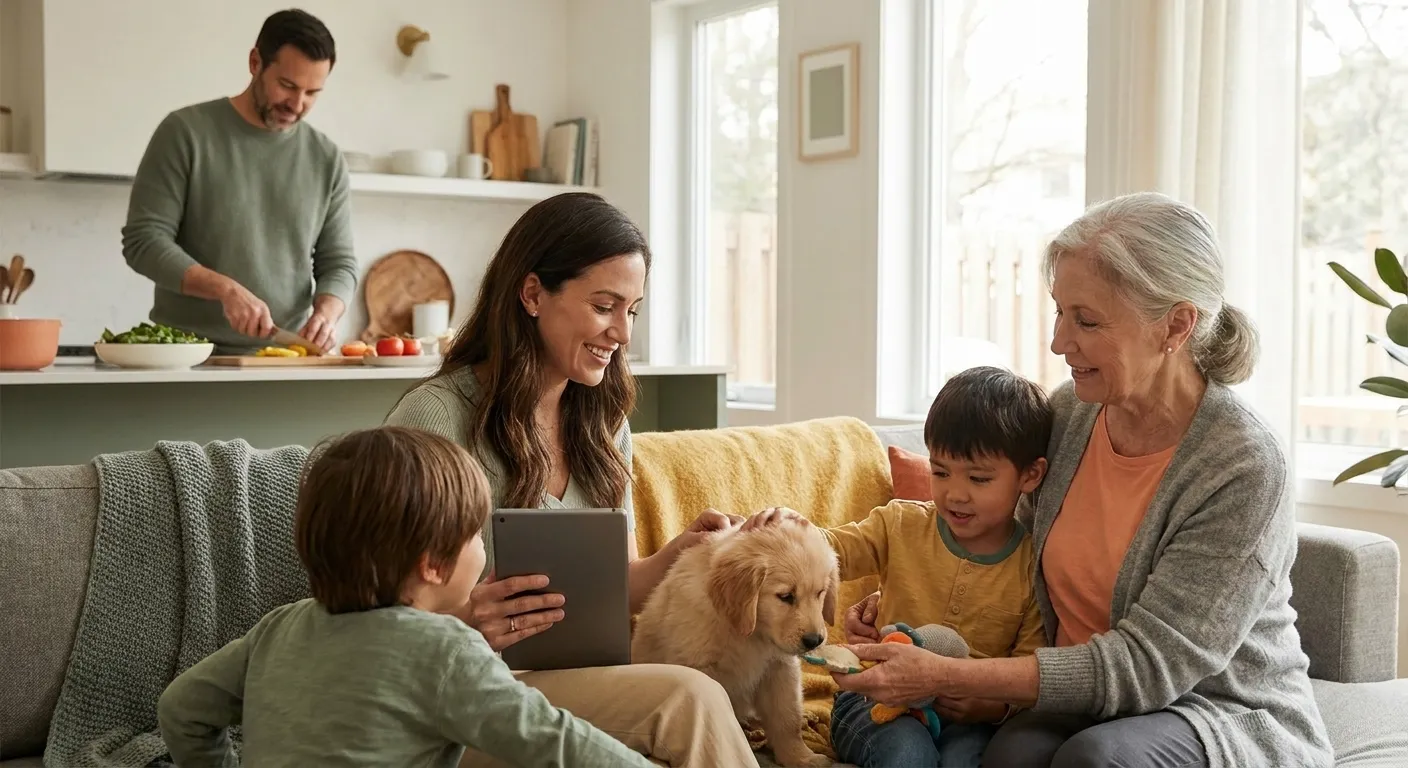
Bringing a new puppy into your home is a joyous occasion, but for busy professionals and families, the thought of integrating puppy into family life can also bring a wave of questions. How do you balance work, kids, and an energetic new canine companion? You’re not alone in these concerns. Dog ownership has seen a notable increase, with younger generations like Gen Z and Millennials driving growth, treating pets as full-fledged family members. This ‘humanization’ trend means we want our puppies to thrive, but busy schedules often make it difficult to dedicate 45 minutes of daily training practice. The good news? With smart strategies, you absolutely can raise a well-adjusted puppy even in a bustling household.
Why a Thoughtful Integration Plan is Crucial for Your Family and Puppy
Without a clear plan, a new puppy can inadvertently become a source of stress rather than joy. Conflicting rules, overwhelmed family members, and an overstimulated puppy can lead to behavioral issues. A thoughtful integration plan ensures consistency, reduces stress for everyone, and sets your puppy up for success. It also reflects the increasing value-orientation in pet care spending, where smart, early planning can prevent costly behavioral issues and professional training needs, which can range from $125 to $300 for comprehensive programs.
Strategy 1: Establish Clear Roles and Responsibilities Early On
Before your puppy even arrives, sit down with your family to discuss who will be responsible for what. Who feeds the puppy in the morning? Who takes them out for potty breaks? Who’s in charge of a short training session? Even children can have age-appropriate tasks, like helping with play sessions or refilling water bowls. This ensures everyone feels involved and that no single family member is overwhelmed. Consistency in care and training is paramount, and shared responsibility helps achieve this, especially when busy schedules are a factor.
Strategy 2: Create a Predictable Daily Routine (and Stick to It!)
Puppies thrive on routine. A predictable schedule for feeding, potty breaks, play, training, and rest helps them feel secure and understand expectations. While busy schedules can make this challenging, even a flexible routine can provide structure. For example, morning potty and feeding before work, a mid-day check-in (if possible) or dog walker, and consistent evening activities. This structure also helps with common challenges like separation anxiety, which has seen a rise due to inconsistent work-from-home routines.
Strategy 3: Involve Everyone in Positive Reinforcement Training
Every family member should be on the same page regarding training commands and positive reinforcement. Use consistent cues and reward good behavior with treats, praise, or toys. This not only teaches the puppy manners but also strengthens their bond with each person. Short, frequent training sessions are more effective than long, drawn-out ones, especially for young puppies. Remember, even 5-10 minutes several times a day can make a big difference. Similarly, ensure everyone understands the importance of positive reinforcement, which means rewarding desired behaviors instead of punishing unwanted ones. This approach builds trust and confidence in your puppy.
Strategy 4: Puppy-Proof Your Home for Safety and Peace of Mind
Puppies are naturally curious and will explore their new environment with their mouths. Therefore, puppy-proofing your home is essential before their arrival. This involves removing potential hazards such as toxic plants, loose electrical cords, small objects that can be swallowed, and any valuable items you don’t want chewed. Additionally, consider using baby gates to restrict access to certain areas of the house, especially when you can’t supervise your puppy directly. This proactive step helps prevent accidents and protects your belongings. Furthermore, having a safe, designated space for your puppy, like a crate or playpen, is crucial. This private retreat provides comfort and security for your new companion.
Strategy 5: Socialization: A Cornerstone of a Well-Adjusted Puppy
Proper socialization is vital for your puppy’s development. It involves safely exposing them to a variety of sights, sounds, people, and other friendly, vaccinated dogs during their critical developmental period (typically up to 16 weeks of age). This helps them grow into confident, well-behaved adults who are less likely to develop fears or aggression. For busy families, this might mean enrolling in puppy classes, arranging supervised playdates, or simply taking your puppy on short, positive outings to different environments. However, always prioritize your puppy’s safety and avoid overwhelming them. Gentle introductions are key. You can find more insights on this topic by visiting our Blog.
Strategy 6: Managing Alone Time and Preventing Separation Anxiety
Busy households mean your puppy will inevitably spend some time alone. It’s important to teach them to be comfortable with this from an early age to prevent separation anxiety. Start with short periods of absence, gradually increasing the duration. Provide engaging puzzle toys or chew items to keep them occupied. A comfortable crate can also serve as a safe den when you’re away. Furthermore, avoid making a big fuss when you leave or return; this helps your puppy understand that your departures and arrivals are normal events. Consistency in this training prevents future stress for both you and your puppy.
Effective Communication: Understanding Your Puppy’s Needs
Learning to understand your puppy’s body language and vocalizations is a significant step in successfully bringing puppy into family life. Are they panting excessively? Are their ears back? These cues can indicate stress, excitement, or a need to go outside. Similarly, different barks or whines can communicate hunger, boredom, or a need for attention. Paying close attention to these signals allows you to respond appropriately, building a stronger bond and preventing miscommunications that can lead to frustration. Moreover, consistent communication helps your puppy feel heard and understood, which is vital for their emotional well-being. This understanding is key for seamless puppy integration.
Balancing Play and Rest in a Busy Environment
Puppies need a lot of sleep, often 18-20 hours a day. While it’s tempting to play with your adorable new companion constantly, especially with kids eager for interaction, it’s crucial to ensure they get adequate rest. Overtired puppies can become nippy, hyper, or develop behavioral issues. Therefore, schedule regular naps throughout the day, perhaps in their crate or a quiet, designated resting spot. Balancing energetic play sessions with quiet downtime is essential for their physical and mental health. This careful balance contributes greatly to successfully bringing puppy into family life.
Nutrition and Health: A Foundation for Well-being
Just like humans, puppies need proper nutrition and regular veterinary care to thrive. Choose a high-quality puppy food appropriate for their breed size and age. Follow feeding guidelines carefully to prevent over or underfeeding. Schedule regular vet check-ups, vaccinations, and parasite prevention. Furthermore, familiarize yourself with common puppy ailments and know when to seek professional help. A healthy puppy is a happy puppy, and good health provides the foundation for a smooth integration. For instance, consulting your vet about the best diet can prevent many health issues. This proactive approach supports your efforts in integrating puppy into family routines.
Navigating Challenges: Patience and Consistency are Key
Even with the best plan, you will encounter challenges. Potty training accidents, nipping, chewing, and occasional destructive behavior are all normal parts of puppyhood. The key is to respond with patience, consistency, and positive reinforcement. Avoid punishment, which can damage your bond and create fear. Instead, redirect unwanted behaviors, reward good choices, and remember that every ‘mistake’ is an opportunity for teaching. For example, if your puppy nips, redirect their attention to an appropriate chew toy. Moreover, remember that consistency across all family members is vital for your puppy to understand what is expected of them. This unwavering approach makes integrating puppy into family life much smoother.
Seeking Professional Guidance When Needed
While this guide offers many practical tips, sometimes you might face behavioral issues that feel overwhelming. Do not hesitate to seek help from a certified professional dog trainer or veterinary behaviorist. They can provide personalized advice and strategies tailored to your puppy’s specific needs and your family’s situation. Investing in professional guidance early on can prevent minor issues from escalating into major problems, saving you stress and potential costs in the long run. Resources like the Association of Professional Dog Trainers (APDT) or the Certification Council for Professional Dog Trainers (CCPDT) can help you find qualified experts. Remember, asking for help is a sign of responsible pet ownership and commitment to successfully bringing puppy into family life.
Embracing the Joy: The Rewards of a Well-Integrated Puppy
Ultimately, the effort you put into integrating puppy into family life will be incredibly rewarding. A well-adjusted puppy becomes a cherished member of your household, bringing immense joy, companionship, and laughter. They teach us patience, responsibility, and unconditional love. Despite the busy schedules and initial challenges, the bond you forge with your puppy is truly special. Taking the time to thoughtfully plan and consistently apply these strategies will lead to a happy, harmonious home for everyone. Indeed, the sight of your puppy thriving and happily interacting with all family members is a truly priceless experience. This successful puppy integration is a testament to your dedication.
In conclusion, bringing a new puppy into a busy family requires thoughtful planning, clear communication, and consistent effort from everyone involved. By establishing roles, creating routines, embracing positive reinforcement, and prioritizing socialization, you can confidently navigate the exciting journey of integrating puppy into family life. Remember to be patient with your puppy and with yourselves. The challenges are temporary, but the love and companionship your well-adjusted puppy brings will last a lifetime. Thank you for choosing Puppy Socialization as your guide on this wonderful adventure!
FAQ: Successfully Welcoming a New Puppy
How can busy families ensure their puppy gets enough attention?
Even with busy schedules, you can provide ample attention through structured playtimes, involving family members in short training sessions, and utilizing puzzle toys. Consider hiring a trusted dog walker for mid-day breaks or exploring doggy daycare options a few days a week to ensure your puppy gets social interaction and exercise. Quality over quantity of time is important; focused, engaging interactions build strong bonds.
What are the most common mistakes busy owners make when bringing a new puppy home?
Common mistakes include lacking a consistent routine, not clearly assigning responsibilities, failing to puppy-proof the home adequately, and neglecting early socialization. Another frequent error is not teaching the puppy to be comfortable alone from an early age, which can lead to separation anxiety. Avoiding these pitfalls will make welcoming your new companion much smoother.
How can children best be involved in raising a puppy?
Children can be involved in age-appropriate tasks like helping with feeding (under supervision), playing structured games, assisting with grooming, and participating in short training sessions using positive reinforcement. It’s crucial to teach children how to interact gently and respectfully with the puppy, understanding the puppy’s body language. Always supervise interactions between young children and puppies to ensure safety for both.
What is the importance of a designated ‘safe space’ for a puppy in a busy home?
A designated safe space, such as a crate or a playpen, provides your puppy with a secure retreat where they can rest undisturbed. In a busy household, this space helps prevent overstimulation and gives the puppy a sense of security and belonging. It’s also invaluable for house training and teaching independent calm behavior, which contributes to a harmonious home environment.
How long does it typically take for a puppy to fully adjust to a new family?
The adjustment period varies greatly for each puppy, but generally, it can take anywhere from a few weeks to a few months for a puppy to fully settle into their new home and routine. Factors like the puppy’s past experiences, temperament, and the consistency of the new family’s environment play a significant role. Patience, consistency, and positive reinforcement are key throughout this transition.

