
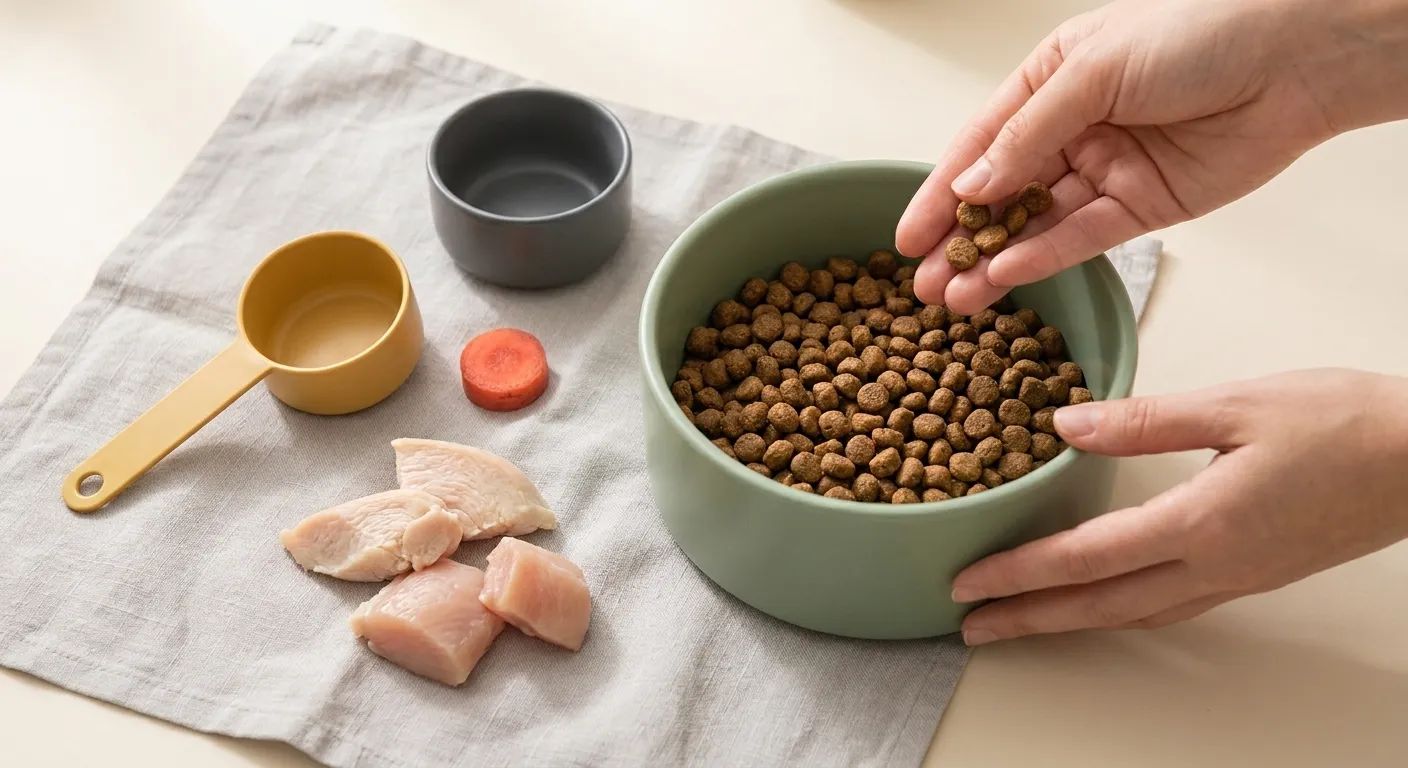
Puppy diet essentials is the focus of this guide. Many new puppy owners feel overwhelmed by conflicting information online. Rest assured, you’re not alone in seeking clear, actionable guidance. Our goal is to empower you with the confidence to make informed decisions about your puppy’s food, ensuring they thrive. We’ll cover everything from choosing the right food to understanding portion sizes and avoiding common pitfalls.
Choosing the Right Puppy Food
The most critical decision is selecting a high-quality puppy food. Look for formulas specifically labeled for puppies, as they are designed with the correct balance of protein, fats, vitamins, and minerals needed for growing bodies. Prioritize brands that list real meat (like chicken, beef, or lamb) as the first ingredient. In addition, avoid foods with excessive fillers, artificial colors, or by-products. If you’re unsure, ask your veterinarian for recommendations based on your puppy’s breed, size, and any specific health needs. A good diet supports everything from bone development to a shiny coat and strong immune system. Furthermore, remember that what goes into their bowl directly impacts their overall well-being and energy levels for playful days.
When examining food labels, pay close attention to the guaranteed analysis. This section details the minimum percentages of crude protein and crude fat, and maximum percentages of crude fiber and moisture. For growing puppies, higher protein levels are generally beneficial, supporting muscle development. Similarly, healthy fats provide crucial energy. For instance, look for ingredients like DHA, an omega-3 fatty acid, which is vital for brain and vision development. This nutrient is often found in fish oils. Understanding these components helps you choose a diet that truly supports your puppy’s rapid development.
Understanding Puppy Diet Essentials: How Much and How Often to Feed
Feeding guidelines are usually found on the food packaging and are a good starting point, but every puppy is unique. Factors like breed, activity level, and metabolism play a role. Puppies generally need to eat more frequently than adult dogs – typically three to four small meals a day, especially when very young. This helps manage their energy levels and prevents tummy upsets. Consequently, consistency in feeding times can also help with potty training. Monitor your puppy’s body condition; you should be able to feel their ribs easily, but not see them protruding. If they look too thin or too round, adjust their food intake accordingly. Always remember, a balanced approach is key to healthy puppy nutrition.
As your puppy grows, their nutritional needs will change. For example, a tiny toy breed puppy will have different requirements than a large breed puppy destined to weigh over 50 pounds as an adult. Large breed puppies, in particular, need carefully controlled calcium and phosphorus levels to prevent rapid bone growth, which can lead to orthopedic issues. Therefore, always choose a formula appropriate for their expected adult size. Your veterinarian can provide specific advice tailored to your puppy’s breed and growth trajectory. This personalized guidance is invaluable for ensuring proper growth.
Transitioning to Adult Food
Knowing when to transition your puppy from puppy food to adult food is another important aspect of their dietary journey. Generally, smaller breeds can transition around 9-12 months of age, while larger breeds may need puppy food for up to 18-24 months. The key is to observe their growth rate and consult your vet. Suddenly changing their food can cause digestive upset, so always make the switch gradually over 7-10 days. Mix increasing amounts of the new adult food with decreasing amounts of their puppy food. This smooth transition helps their digestive system adapt without discomfort.
Avoiding Common Feeding Mistakes
One common mistake is overfeeding, which can lead to obesity and skeletal problems later in life. Resist the urge to constantly offer extra treats or table scraps. While a tiny, puppy-safe treat during training is fine, human food can upset their delicate digestive systems and lead to picky eating. Also, avoid sudden changes in diet; if you switch foods, do so gradually over several days to prevent stomach upset. Always ensure fresh, clean water is available at all times. Remember, your vet is your best resource for personalized dietary advice, especially if you notice any digestive issues or concerns about your puppy’s growth. Proper puppy feeding is a journey, not a sprint, and small consistent efforts make a big difference.
Another common oversight involves not providing enough fresh water. Puppies, especially active ones, need constant access to clean water to stay hydrated. Dehydration can quickly become serious for young dogs. Therefore, always keep their water bowl full and clean. If you’re traveling or spending time outdoors, bring water with you. Hydration is just as vital as the food they eat for their overall health and energy. It supports all bodily functions, making it a critical part of their daily routine.
Understanding Treats and Supplements
Treats can be a wonderful tool for training and bonding. However, they should make up no more than 10% of your puppy’s daily caloric intake. Opt for small, healthy, puppy-specific treats. Moreover, be cautious with human foods; many are toxic to dogs, such as chocolate, grapes, and onions. Even safe human foods can be too rich or fatty for a puppy’s sensitive stomach. Regarding supplements, most high-quality puppy foods are nutritionally complete, so additional supplements are usually unnecessary unless recommended by your vet. Giving too many supplements without need can actually cause imbalances. For instance, calcium supplements, if overused, can harm bone development in large breed puppies. Always check with your vet before introducing any supplements.
If you are exploring positive reinforcement for training, which often involves treats, consider how these fit into your puppy’s overall nutritional plan. Small, low-calorie training treats are ideal. This approach aligns well with teaching Good Dog Behavior Starts at Home, where consistent, positive methods yield the best results. Furthermore, understanding the right balance of food and treats contributes to a well-adjusted puppy who learns quickly and happily. This holistic view of puppy feeding extends beyond just meals.
Raw vs. Kibble vs. Wet Food: Which is Best?
The debate over raw, kibble, and wet food can be confusing. Each option has its proponents and considerations. Kibble, or dry dog food, is the most popular choice due to its convenience, cost-effectiveness, and ability to help clean teeth. High-quality kibble provides balanced nutrition. Wet food, conversely, is often more palatable and can be great for picky eaters or puppies needing extra hydration. However, it can be more expensive and may not offer the same dental benefits as kibble. Raw diets, or BARF (Biologically Appropriate Raw Food) diets, aim to mimic a dog’s ancestral diet. While some owners swear by them, raw diets carry risks of nutritional imbalance and bacterial contamination, which can be dangerous for both puppies and humans. Consequently, if considering a raw diet, extensive research and veterinary consultation are absolutely essential. The safety of your puppy’s diet is paramount.
For new puppy owners, sticking with a reputable brand of high-quality kibble or wet food is generally the safest and most straightforward approach to ensuring complete nutrition. These commercially prepared foods are formulated to meet the specific nutritional requirements of growing puppies, having undergone rigorous testing and development. Moreover, this choice helps simplify the process of understanding puppy nutrition, allowing you to focus on other aspects of raising a happy, healthy puppy. For more guidance on overall well-being, you might find our article on Stress Free Dog Habits for a Happier Life helpful. We want you to feel empowered in all your choices for your puppy.
Reading Food Labels Like a Pro
Learning to decipher dog food labels is a valuable skill for any puppy owner. Besides the guaranteed analysis, look at the ingredient list. Ingredients are listed in descending order by weight. Therefore, the first few ingredients tell you the most about the food’s composition. As mentioned, real meat should be the first ingredient. Be wary of generic terms like

