
Bringing a new puppy home is full of joy, but it can also feel like learning a whole new language. You want to understand what your little one needs and how they’re feeling, but they can’t exactly tell you in words. That’s where a good puppy body language guide becomes your best friend! Learning to interpret your puppy’s signals is key to building trust, preventing misunderstandings, and raising a confident, well-adjusted dog. It helps you respond to their needs before issues even arise, making both your lives much smoother.
Happy & Relaxed Puppy Signals
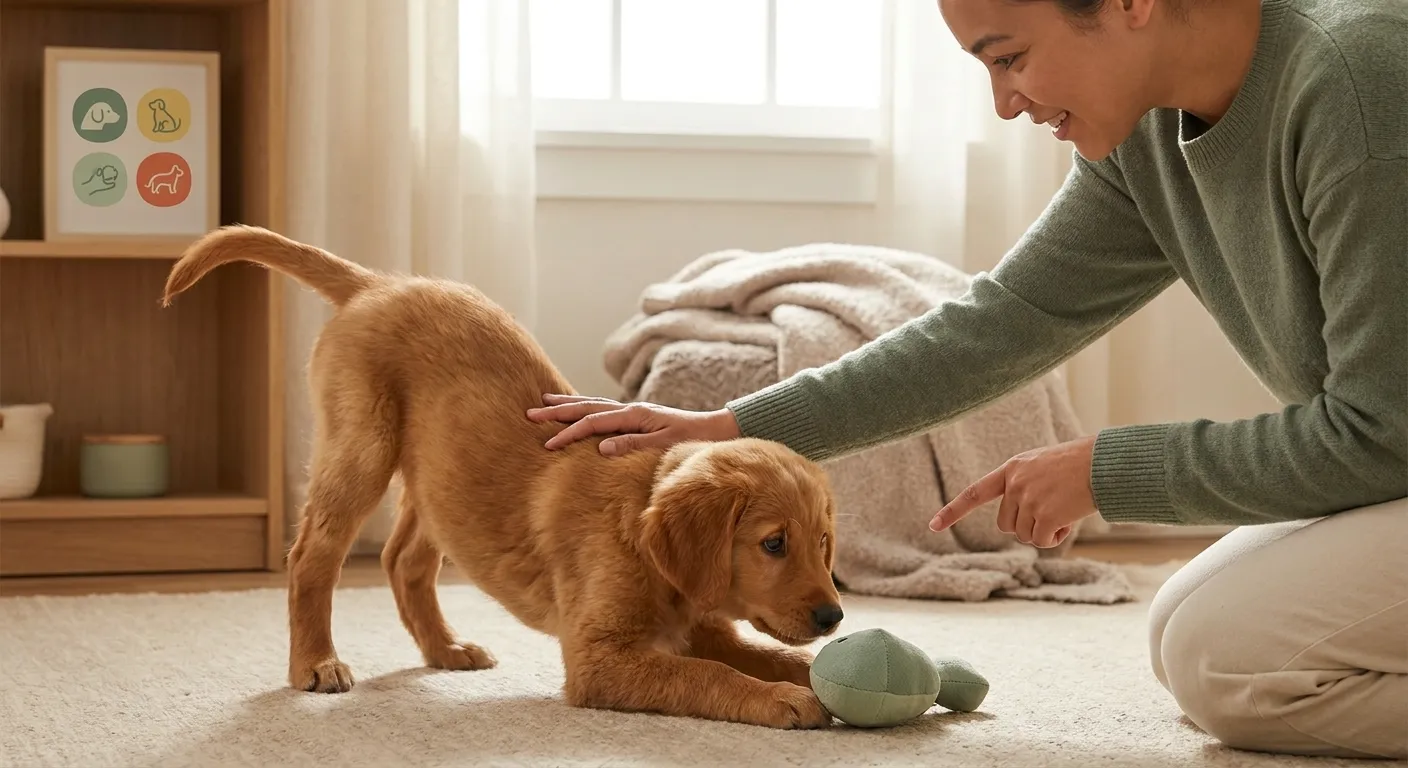
A content, happy puppy communicates through their whole body. Look for a relaxed posture, a soft gaze with no tension around the eyes, and a loosely wagging tail (not stiff and high). Their ears might be in a natural position, neither pinned back nor stiffly forward. A relaxed mouth, perhaps slightly open with a “smile,” or a quick tongue flick during interaction can also indicate comfort. When playing, you might see “play bows” – front end down, rear end up – inviting interaction. Recognizing these joyful signals helps you continue positive interactions and know when your puppy feels safe and secure.
Recognizing Stress and Fear in Your Puppy
Just as important as recognizing happiness is understanding when your puppy feels uneasy or afraid. Early signs of stress can be subtle: a tucked tail, ears flattened back, lip licking, yawning (when not tired), or turning their head away. They might also show “whale eye,” where you can see the whites of their eyes. More pronounced signs include trembling, panting when not hot, refusing treats, or trying to hide. If your puppy exhibits these, it’s a clear signal to gently remove them from the stressful situation and give them space. Acknowledging and acting on these signals is vital for preventing fear from escalating and teaching your puppy that you are their safe haven.
Understanding your puppy’s body language is an ongoing learning process, but it’s one of the most valuable skills you’ll develop as a new owner. By paying close attention to their cues, you can better meet their needs, avoid overwhelming them, and foster a deep, loving bond built on mutual understanding and respect. Keep observing, keep learning, and enjoy the beautiful conversation you’re having with your furry companion.
The Importance of Understanding Puppy Communication
Many new puppy owners feel a little lost at first, wondering what their furry friend is trying to say. It’s completely normal! However, taking the time to learn about puppy communication can truly transform your relationship. For instance, knowing what your puppy’s posture means can help you prevent common issues like biting or excessive fear. Furthermore, understanding their subtle cues allows you to intervene gently and positively, rather than waiting for problems to escalate. This proactive approach builds a strong foundation of trust and understanding.
Think of it this way: your puppy is constantly talking to you, even without words. They use their ears, tail, eyes, mouth, and overall body posture to express feelings. By becoming fluent in this unspoken language, you become a more responsive and empathetic pet parent. This deeper connection not only makes your puppy happier but also makes your life easier as you navigate puppyhood together. Moreover, a comprehensive puppy body language guide can be a lifeline for first-time owners.
Decoding Common Puppy Signals: A Closer Look
Let’s break down some specific body parts and what their movements often indicate. This will help you become a true expert in reading your puppy’s messages. Remember, context is always key; always consider the whole picture.
Tail Talk: More Than Just a Wag
- High, stiff tail: Often indicates arousal, alertness, or even a challenge. It’s not always a sign of happiness.
- Low, tucked tail: A clear sign of fear, anxiety, or submission. Your puppy feels vulnerable.
- Loose, medium-height wag: This is the classic happy, friendly wag! It often accompanies a relaxed body.
- Fast, frantic wag: Can sometimes indicate excitement but also a bit of uncertainty or over-stimulation. Observe the rest of their body.
- Wagging only the tip: This subtle movement can show mild interest or slight apprehension.
Ear Expressions: Listening to Feelings
- Ears forward, relaxed: Your puppy is interested and attentive. They are focusing on something.
- Ears flattened back, against the head: A strong indicator of fear, anxiety, or submission. They’re trying to make themselves seem smaller.
- Ears slightly back, relaxed: Often seen in a happy, social dog. They are comfortable in the situation.
- Ears moving independently: Your puppy is actively listening and trying to pinpoint sounds. This shows curiosity.
Eye Contact and Gaze: Windows to the Soul
- Soft, blinking eyes: A sign of relaxation and comfort. Your puppy trusts you.
- Wide, staring eyes (whale eye): The whites of their eyes are visible. This indicates fear, stress, or discomfort.
- Dilated pupils: Can signal fear or excitement, especially if other stress signals are present.
- Avoiding eye contact: Often a sign of submission or discomfort. Your puppy might be feeling intimidated.
Mouth Movements: Smiles, Licks, and Snarls
- Relaxed, slightly open mouth: A happy, comfortable puppy. Sometimes looks like a smile!
- Lip licking (when no food is present): A common calming signal, indicating stress or anxiety.
- Yawning (when not tired): Another calming signal, showing stress or discomfort.
- Tight, closed mouth: Can indicate tension or apprehension.
- Exposed teeth (snarl): A clear warning sign. Your puppy feels threatened and might escalate if ignored.
Body Posture: The Full Picture
- Loose, wiggly body: A friendly, happy puppy inviting interaction.
- Stiff, frozen body: A sign of fear or potential aggression. Your puppy is uncomfortable and might be preparing to react.
- Crouching low: Indicates fear or submission. They are trying to appear less threatening.
- Play bow (front low, rear up): An invitation to play! This is a clear signal of playful intent.
- Rolling over, exposing belly: Can be an invitation for a belly rub (if relaxed) or a strong sign of submission and deference (if tense).
By observing all these signals together, you’ll gain a much clearer picture of your puppy’s emotional state. This understanding is truly invaluable.
Why Learning Puppy Body Language is Crucial for New Owners
For new puppy owners, especially those on a budget or with busy schedules, understanding your puppy’s communication can save you time, stress, and even money. When you can read your puppy, you can prevent many common behavioral issues before they start. For example, recognizing early signs of anxiety can help you address puppy separation anxiety help: building confidence when alone. Furthermore, it allows you to create positive experiences in situations that might otherwise be scary for your pup, such as a puppy vet visit positive: making check-ups stress-free.
Moreover, interpreting your puppy’s signals helps you build a deeper bond. You become their advocate, protecting them from uncomfortable situations and reinforcing their trust in you. This leads to a more confident and well-adjusted dog, which is the ultimate goal for any pet parent. You will also find that a good puppy body language guide empowers you to make better choices for your furry friend.
Common Misunderstandings and How to Avoid Them
Sometimes, what looks like one thing to us, means something entirely different to a puppy. Let’s clear up some common misconceptions:

