
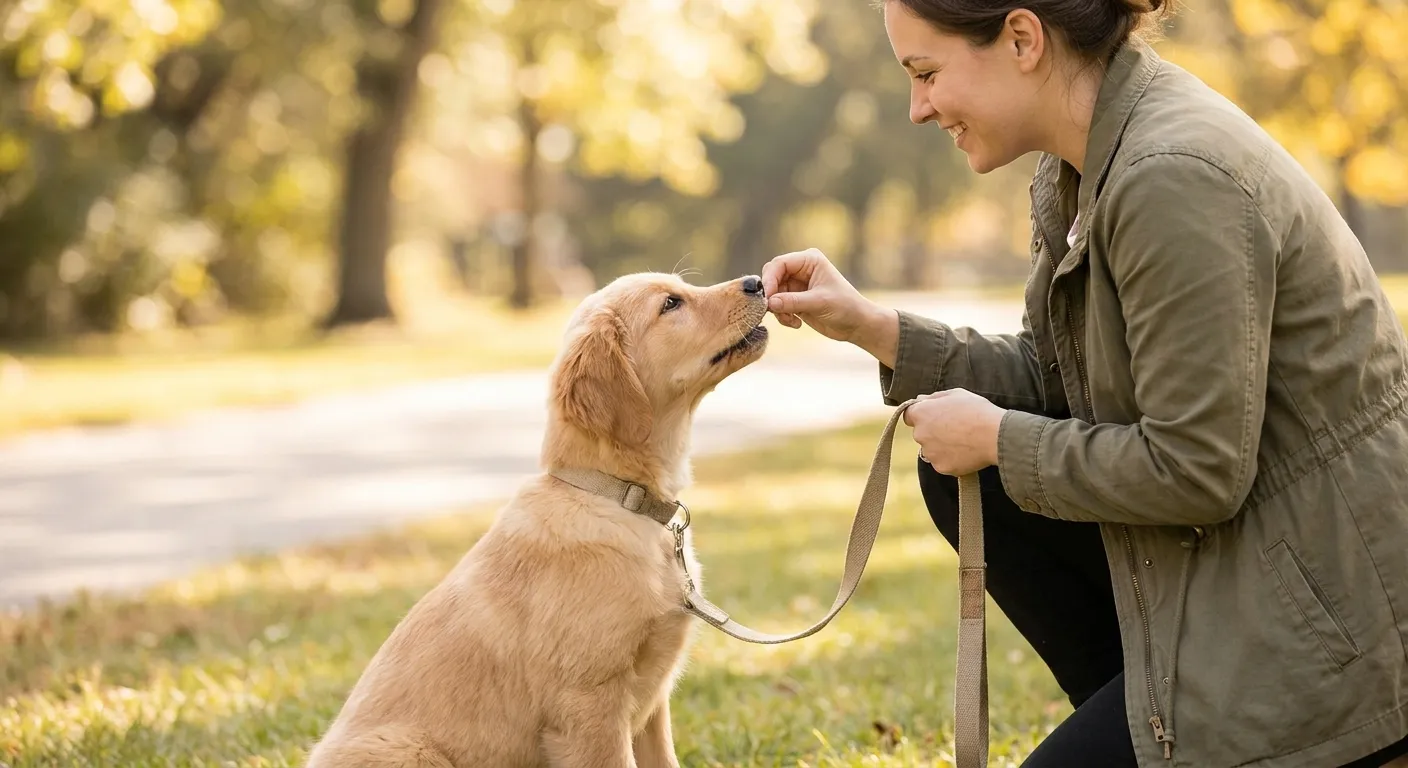
Dreaming of those picture-perfect strolls with your well-behaved companion? For many new puppy owners, the reality of the first few walks can be a tangled mess of pulling, lunging, and frustration. It’s a common challenge, and finding effective puppy leash training tips can feel like searching for a needle in a haystack of conflicting advice. You want your puppy to enjoy walks, not dread them, and you certainly don’t want to feel dragged down the street. The good news is that teaching your puppy good leash manners is absolutely achievable with patience, consistency, and positive reinforcement.
This guide will demystify the process, offering clear, actionable steps to transform your puppy from a leash-pulling whirlwind into a confident, enjoyable walking partner. We’ll cover everything from introducing the collar to mastering loose-leash walking, ensuring both you and your puppy look forward to every outdoor adventure.
Why Leash Training is Crucial for Your Puppy
Leash training isn’t just about control; it’s about safety, confidence, and building a stronger bond with your puppy. A puppy that walks politely on a leash can safely explore new environments, meet new people, and experience the world without risk. It prevents them from running into traffic, getting lost, or encountering situations they’re not ready for. For you, it means less stress, more enjoyment, and the freedom to take your puppy on more adventures. It’s an investment in their well-being and your shared future.
Getting Started: The Right Gear and Mindset
Before you even step outside, ensure you have the right tools and approach:
- Collar vs. Harness: For puppies, a comfortable, well-fitting harness is often preferred. It distributes pressure across their chest and shoulders rather than their delicate neck, which is especially important for breeds prone to tracheal issues. A flat buckle collar for ID tags is also essential.
- Leash: A lightweight, 4-6 foot leash made of nylon or leather is ideal. Avoid retractable leashes, as they teach pulling and offer less control.
- High-Value Treats: Small, soft, and irresistible treats are vital for positive reinforcement during training.
- Patience and Positivity: Your attitude is contagious. Stay calm, encouraging, and celebrate every small success.
Step-by-Step Puppy Leash Training Tips
1. Introduce the Collar/Harness (Positive Association)
Before attaching a leash, get your puppy comfortable with wearing their gear.
- Short Sessions: Put the collar/harness on for very short periods (a few minutes at a time) while your puppy is distracted with play or food. Immediately praise and give treats.
- Gradual Increase: Gradually increase the duration as they get used to it. The goal is for them to associate the gear with positive experiences, not discomfort.
2. The Leash Indoors (First Steps)
Start in a low-distraction environment, ideally inside your home. Attach the leash to the harness. Let your puppy drag the leash around for a few minutes while supervised, making sure it doesn’t get tangled. This helps them get used to the feeling without the pressure of walking. Next, pick up the leash and simply follow your puppy around. Offer praise and treats often, especially if they ignore the leash. Keep these initial sessions brief and fun. Remember, the aim is to build positive associations with the leash itself.
3. The ‘Follow Me’ Game (Building Engagement)
Once your puppy is comfortable with the leash indoors, it’s time to teach them to follow you. Hold the leash loosely. Take a few steps, and as your puppy moves with you, mark the behavior with a verbal cue like
Related reading:
- The Unsung Hero: Understanding Puppy Naps for Healthy Growth
- How to Safely Introduce Your Puppy to Other Household Pets

