
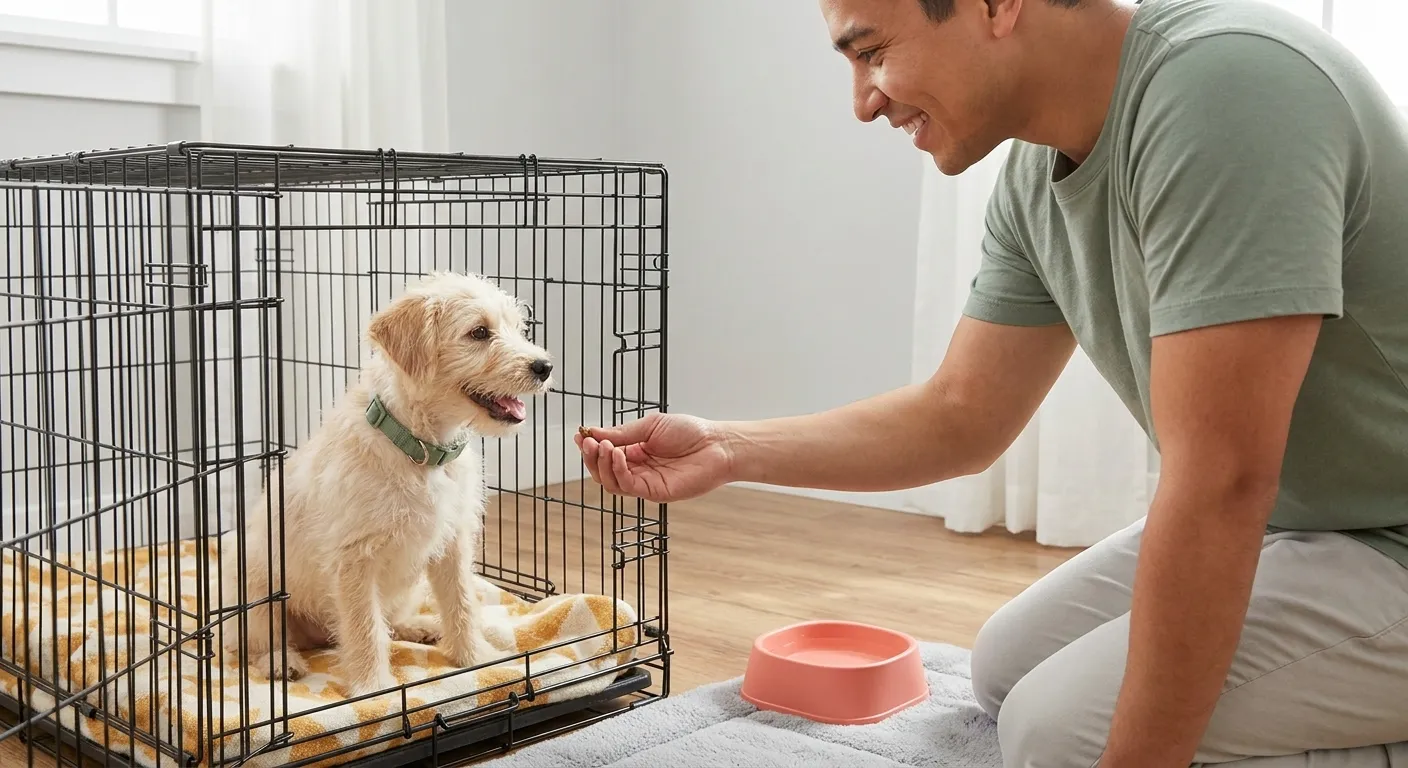
One of the biggest challenges for new puppy owners, especially busy professionals and families, is establishing effective routines for potty and crate training. It can feel like a constant battle against accidents and whines, adding to the stress of “puppy blues.” But what if we told you that with a consistent, positive approach, puppy potty and crate training can become a cornerstone of your puppy’s confidence and your household’s peace of mind? This guide will break down the science-backed methods that make these essential training steps not just achievable, but enjoyable for both of you.
Why Routine and Positive Reinforcement are Your Superpowers
Puppies thrive on predictability. A consistent schedule helps them understand what’s expected, reducing anxiety and accelerating learning. According to veterinary behaviorists and certified trainers, positive reinforcement – rewarding desired behaviors – is the dominant and most effective approach. Research shows reward-based methods lead to stronger obedience and fewer anxiety-related behaviors, building a stronger bond between you and your puppy. This is especially true when tackling common behavioral issues like puppy separation anxiety, which is often linked to inconsistent routines.
Essential Puppy Potty Training Steps
Potty training requires patience and consistency. Think of it as teaching a new language – it takes time and repetition.
1. Establish a Predictable Potty Schedule
- Every Hour (or Less!): For very young puppies (under 12 weeks), aim for a potty break every 30-60 minutes while awake. This frequency prevents accidents before they happen.
- Key Times: Always take your puppy out immediately after waking up, after eating or drinking, after playing, and before bedtime.
- Consistency is Key: Stick to the schedule as closely as possible, even on weekends. Puppies need clear, predictable schedules to feel secure.
2. Choose a Designated Potty Spot
Take your puppy to the same outdoor spot every time. The familiar scent will encourage them to go, and it helps them associate that location with relieving themselves.
3. Reward Success IMMEDIATELY
When your puppy potties outside, offer enthusiastic praise (“Good potty!”) and a high-value treat immediately after they finish. The timing is critical for them to connect the action with the reward. Avoid scolding for accidents inside; simply clean them thoroughly with an enzymatic cleaner to eliminate odors that might attract them back to the same spot.
4. Supervise and Interrupt
Keep a close eye on your puppy when they’re inside. If you see them sniffing around or circling, calmly pick them up and take them to their designated potty spot outside. This gentle interruption prevents accidents and redirects them to the correct behavior.
Crate Training: Creating a Safe Den
Crate training, when done correctly, provides your puppy with a secure, personal space. It’s not a punishment; rather, it’s a cozy den where they can feel safe and relaxed. A well-introduced crate helps with house training by tapping into a puppy’s natural instinct not to soil their sleeping area. Furthermore, it aids in managing your puppy when you can’t supervise them directly, for instance, during the night or when you need to leave the house for short periods. This positive approach to crate training is truly beneficial.
1. Choose the Right Crate
Select a crate that is just large enough for your puppy to stand up, turn around, and lie down comfortably. If you have a large breed puppy, consider a crate with a divider so you can adjust the size as they grow. Too much space might encourage them to use one end as a potty area. For instance, a wire crate offers good ventilation, while a plastic crate provides a more den-like feel. Both options are perfectly acceptable.
2. Make the Crate Inviting
Place a soft blanket or bed inside the crate. You can also add a favorite toy or a chew treat to make it more appealing. For example, a Kong filled with peanut butter (xylitol-free!) can create a positive association. Let the crate be an open, inviting space in a busy part of your home initially, so your puppy doesn’t feel isolated.
3. Introduce the Crate Gradually
Start by feeding your puppy meals near the crate, then just inside the door, and eventually all the way inside. Always keep the door open at first. Encourage them to go in with treats and praise, never forcing them. Your puppy should view the crate as a positive place. This gradual introduction helps build confidence.
4. Short, Positive Stays
Once your puppy is comfortable eating in the crate, encourage short stays. Close the door for a few minutes while you are nearby, then open it and praise them. Gradually increase the time they spend inside, always returning before they become anxious. Leave them with a safe chew toy to keep them occupied. This slow and steady progress is key to successful puppy potty and crate training.
Managing Nighttime and Alone Time
Nighttime can be particularly challenging for new puppy owners. However, with consistent routines, your puppy will quickly learn what to expect. This is where puppy potty training success truly shines.
Nighttime Routine
Establish a consistent bedtime routine. Take your puppy out for a final potty break right before bed, even if it’s late. Place their crate in your bedroom for the first few weeks. This allows them to hear and smell you, reducing feelings of loneliness. If they whine, try a soft reassuring word, but avoid letting them out unless it’s a genuine potty emergency. For very young puppies, you might need one middle-of-the-night potty break. Gradually, they will sleep through the night. Consistency here prevents setbacks.
Leaving Your Puppy Alone
When you need to leave your puppy alone, make sure they have had a potty break and some exercise first. Place them in their crate with a safe chew toy or a treat-dispensing toy. Start with very short durations (5-10 minutes) and gradually increase the time. Never make a big fuss when you leave or return; keep it calm and low-key. This helps prevent separation anxiety. For more in-depth guidance on this, consider resources from reputable organizations like the ASPCA on separation anxiety.
Troubleshooting Common Challenges
Even with the best intentions, you might encounter some hurdles during puppy potty and crate training. Don’t worry, these are normal and manageable!
Accidents Inside
If accidents happen, it’s usually due to one of three reasons: the schedule isn’t frequent enough, supervision isn’t consistent, or the puppy isn’t associating outdoor elimination with rewards. Re-evaluate your schedule. Are you taking your puppy out often enough? Are you rewarding immediately and enthusiastically? Remember, never scold your puppy for an accident. It only teaches them to hide their pottying from you, making training harder. Instead, clean thoroughly with an enzymatic cleaner to remove all scent traces. For more tips on managing puppy behavior, understanding decoding puppy body language can be incredibly helpful.
Whining in the Crate
A puppy whining in the crate can be heartbreaking. First, rule out a potty need. If they just went out, the whining might be due to loneliness or boredom. Try placing a blanket over part of the crate to create a cozier den. You can also play soft music or white noise. Avoid letting them out when they are whining unless it’s for a potty break, as this teaches them that whining gets them what they want. Instead, wait for a brief moment of quiet, then reward them or let them out if it’s time for a scheduled break. This reinforces calm behavior. Resources from organizations like the Humane Society on crate training offer further insights.
Refusal to Enter the Crate
If your puppy resists going into the crate, you might have introduced it too quickly. Go back to basics: make the crate a positive place with treats and toys. Never force your puppy into the crate. Make it a game, tossing treats inside. You can also feed all meals inside the crate with the door open. Patience is crucial here. Over time, your puppy will begin to associate the crate with comfort and safety.
Building a Positive Foundation for Life
Successful puppy potty and crate training does more than just keep your house clean; it lays a foundation for a well-adjusted, confident adult dog. It teaches them self-control, helps them feel secure in their own space, and strengthens the bond between you. By using positive reinforcement and consistency, you’re not just training a puppy; you’re building trust and understanding. These early experiences are incredibly influential, shaping their perception of the world and their relationship with you. Therefore, investing time and effort into this training is truly invaluable.
Remember, every puppy is an individual, and some may learn faster than others. Be patient, be consistent, and most importantly, be kind. Your puppy is doing their best to understand your world. With your empathetic guidance, mastering puppy potty and crate training will be a rewarding journey for both of you. This positive start will pave the way for a lifetime of happy companionship. Indeed, consistent effort in puppy potty and crate training yields long-term benefits.
Frequently Asked Questions About Puppy Training
What if my puppy has accidents even after going outside?
This often means your puppy didn’t fully empty their bladder outside, or they got distracted. Stay outside longer, give them ample time, and use a consistent cue word like “go potty.” Reward generously when they finish. Sometimes, very young puppies simply have small bladders and need to go out again sooner than you might expect. Increase the frequency of your outdoor trips.
How long can a puppy stay in a crate?
A general rule of thumb is one hour per month of age, plus one. So, a 3-month-old puppy can typically stay in a crate for about 4 hours during the day. However, puppies should not be crated for more than a few hours at a time during the day, and never for more than 8 hours overnight. Always ensure they have a potty break before and after crating. For overnight, very young puppies might need a middle-of-the-night break.
My puppy cries constantly in the crate, what should I do?
First, ensure they don’t need to potty. If their needs are met, the crying is likely due to anxiety or loneliness. Try placing the crate in your bedroom so they can hear you. You can also cover the crate to make it feel more den-like. Never let them out while they are actively crying, as this teaches them to use crying to get attention. Wait for a moment of quiet, then calmly let them out. Gradual introduction and positive associations are key to reducing crate anxiety.
When should I start house training a puppy?
You can (and should!) start house training a puppy as soon as you bring them home, regardless of their age. The earlier you begin establishing consistent routines for potty breaks and positive reinforcement, the faster your puppy will learn. Even an 8-week-old puppy can begin to understand the concept with frequent trips outside and immediate rewards. Consistency from day one is vital for success.
Can I use puppy pads for toilet training?
Puppy pads can be a helpful tool in specific circumstances, such as for very small breeds, puppies living in apartments without easy outdoor access, or during inclement weather. However, they can also confuse a puppy, as it teaches them that it’s sometimes okay to potty inside. If you use pads, try to transition quickly to outdoor pottying by gradually moving the pad closer to the door and eventually outside. The ultimate goal is always to teach your puppy to eliminate outdoors.

