
As a new puppy owner, the phrase “socialization” might bring to mind images of bustling dog parks and crowded events. While exposure is key, true, effective socialization is far more nuanced, especially during your puppy’s critical developmental window. For budget-conscious first-timers, understanding how to provide safe puppy socialization tips without expensive classes can feel daunting. But don’t worry, we’re here to demystify the process and help you raise a confident, well-adjusted dog.
The Critical Window: Why 7-16 Weeks Matters for Puppy Development
The period between 7 and 16 weeks of age is universally recognized by veterinary behaviorists and certified trainers as the most crucial window for puppy socialization. During this time, puppies are most receptive to new experiences and form lasting impressions of the world. Introducing them to diverse people, animals, environments, and sounds in a positive, controlled manner is vital for building confidence and reducing the likelihood of fear-based behaviors later in life. This early exposure helps prevent common issues like reactivity and anxiety, ensuring your puppy grows up resilient and happy. Therefore, focusing on structured, positive interactions is incredibly important.
Beyond the Dog Park: What ‘Safe’ Socialization Truly Means
Many new owners mistakenly believe socialization means throwing their puppy into chaotic environments. However, safe exposure is about quality, not just quantity. It involves gradual, positive introductions, ensuring your puppy feels secure and happy, not overwhelmed. Avoid dog parks until your puppy is fully vaccinated and has a solid grasp of basic manners, as negative experiences during this critical window can have lasting detrimental effects. Indeed, a bad experience can set back progress significantly.
People, Places, Sounds: A Diverse World for Your Pup
- People: Introduce your puppy to a variety of people – different ages, genders, hats, glasses, wheelchairs. Always ensure interactions are gentle and positive, with treats and praise. Moreover, teach children how to interact calmly with your puppy. For more guidance on this, see our article on Puppy Kids Safe Interactions: Building Harmony in Your Home.
- Environments: Take your puppy to various places – quiet streets, pet-friendly stores (carrying them if necessary), parks (away from high-traffic dog areas), and even just sitting outside a coffee shop. The goal is calm observation, not forced interaction. Consequently, your puppy learns to be comfortable in new surroundings.
- Sounds: Expose them to different noises – traffic, doorbells, children playing, vacuums – always pairing the sound with something positive, like a treat or a game. This desensitization helps them see everyday sounds as non-threatening.
Decoding Puppy Body Language for Confident Interactions
Understanding your puppy’s body language is paramount to successful socialization. Are their ears back, tail tucked, and body low? They might be feeling anxious. Is their tail wagging loosely, body relaxed, and mouth slightly open? They’re likely happy and open to interaction. Learning these cues allows you to intervene before your puppy becomes overwhelmed, turning a potentially negative experience into a neutral or positive one. Always respect your puppy’s comfort level; never force them into interactions. In fact, observing their signals is one of the best safe puppy socialization tips you can follow. For a deeper understanding, check out our guide on Decoding Puppy Body Language: What Your Pup is Trying to Tell You.
Creating Positive Experiences at Home and Beyond
Socialization isn’t just about going out; many valuable experiences can happen right at home. Think about introducing your puppy to different surfaces – carpet, tile, grass, concrete. Let them explore new objects like umbrellas, crinkly bags, or even a broom. The key is to make these introductions fun and non-threatening. You can also introduce them to different smells, like those from various fruits or herbs, always ensuring they are safe for puppies. Building these varied, positive associations early on lays a strong foundation for a well-adjusted adult dog. This is an integral part of providing effective puppy social experiences.
Gentle Introductions with Other Dogs
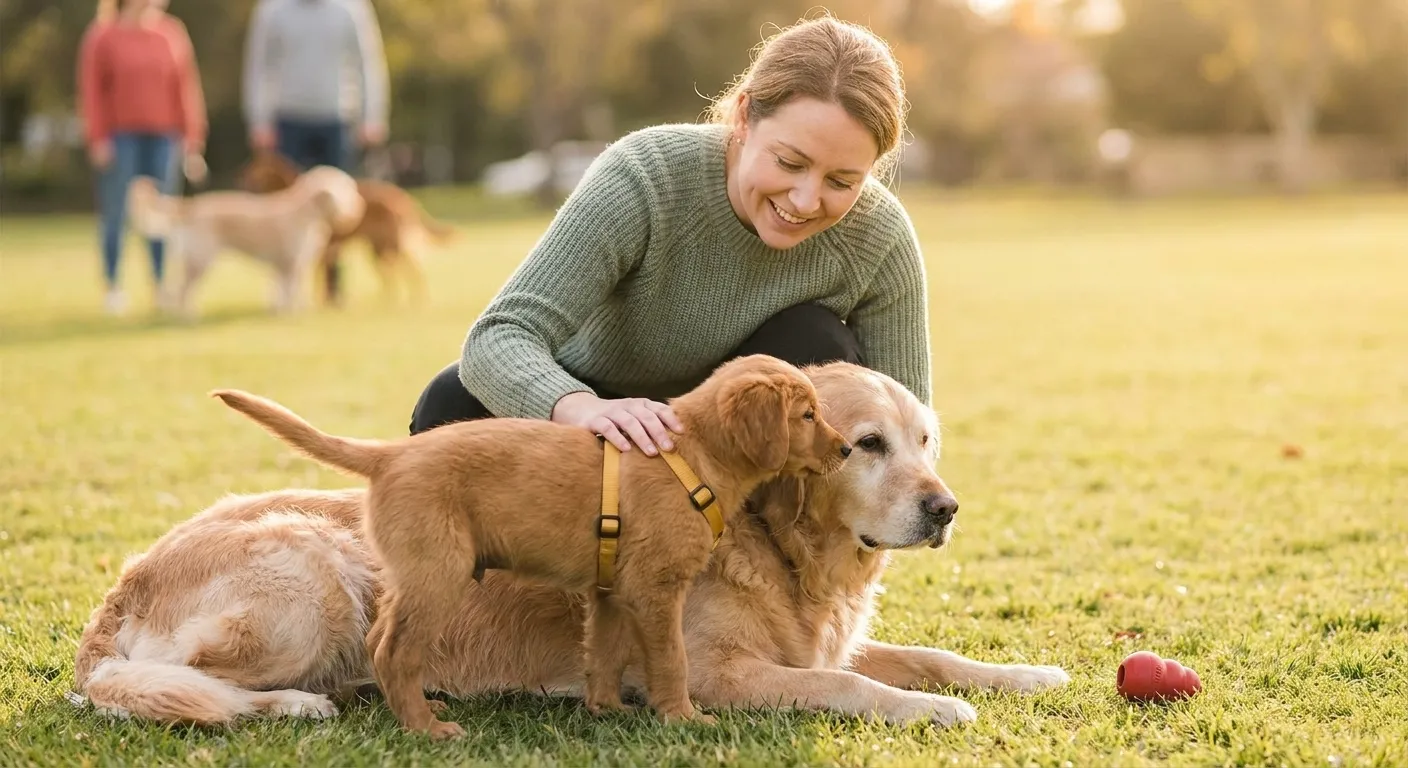
While dog parks are generally discouraged for young puppies, controlled interactions with vaccinated, gentle, and known adult dogs can be incredibly beneficial. Look for friends or family members with calm, friendly dogs who are good with puppies. Supervise these interactions closely, keeping them short and positive. If your puppy seems overwhelmed, gently remove them. The goal is to build positive associations with other canines without creating fear or anxiety. Furthermore, always prioritize your puppy’s safety and comfort. This is a crucial aspect of implementing effective puppy socialization strategies.
Budget-Friendly and Time-Saving Socialization Activities
As busy professionals or budget-conscious families, you might wonder how to fit comprehensive socialization into your schedule. The good news is that many effective strategies are both affordable and can be woven into your daily routine. For instance, simply sitting with your puppy on a park bench and observing the world go by can be a powerful socialization exercise. This allows them to process new sights and sounds from a safe distance, building confidence without direct interaction. Likewise, short car rides to different locations expose them to new environments without requiring extensive planning. These small, consistent efforts are very effective.
Creative Home-Based Socialization Ideas
- Soundscapes: Play recordings of various sounds – city traffic, thunderstorms, babies crying – at a low volume while your puppy is relaxed and receiving treats. Gradually increase the volume as they become comfortable.
- Texture Exploration: Create a “sensory path” in your home using different textures like bubble wrap, cardboard, a towel, or a rug. Encourage your puppy to walk over them with praise and treats.

