
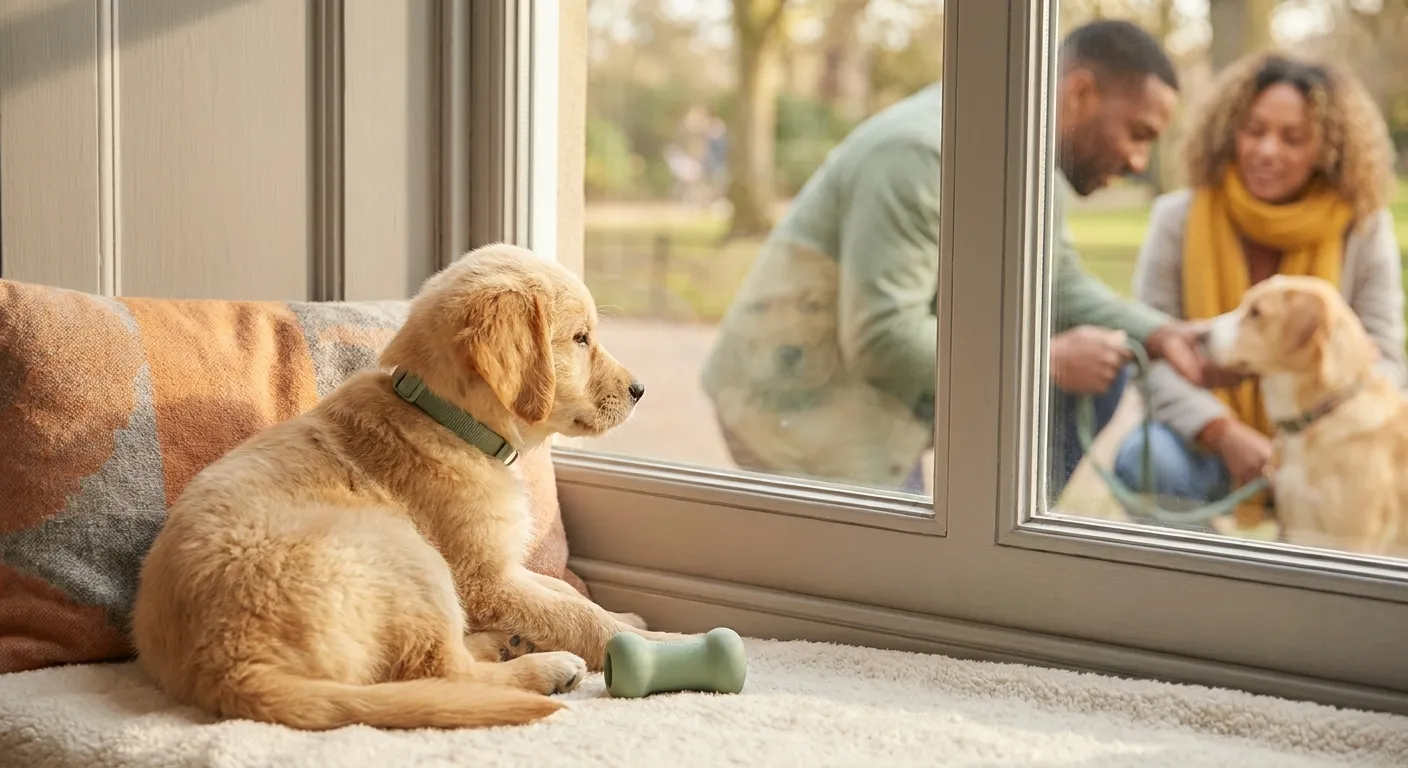
Welcoming a new puppy is an exciting time, but it also comes with big responsibilities. You want to help them grow into a confident, well-adjusted adult. One of the most critical periods for your puppy’s development is the puppy socialization window. This isn’t just about meeting other dogs; it’s about positive exposure to the world around them in a safe and controlled way. Understanding and utilizing this precious time can prevent future behavioral issues and build a foundation for a happy life together.
The Critical Puppy Socialization Window
Experts agree that the puppy socialization window typically runs from around 3 weeks to 16 weeks of age. During this period, puppies are most receptive to new experiences. They form lasting impressions. Positive exposure now helps them learn that new sights, sounds, people, and places are not inherently scary. Missing this window doesn’t mean all hope is lost. However, it makes future socialization efforts more challenging. Think of it as building their emotional resilience and confidence toolkit early on.
This sensitive period is when your puppy’s brain is like a sponge. They are absorbing information about their environment at an incredible rate. Every interaction, every sound, and every new texture contributes to their understanding of the world. Therefore, providing a variety of positive experiences is key. It helps them develop into a calm and adaptable companion.
Why Early Socialization Matters So Much
Many new puppy owners feel overwhelmed by all the advice. Yet, focusing on early socialization can prevent common problems. For instance, a lack of early exposure can lead to fear, anxiety, and even aggression later in life. Imagine a puppy who only ever sees their immediate family. When they encounter a stranger, they might react with fear. This is because they haven’t learned that new people can be safe and friendly. Similarly, puppies not exposed to different noises might become fearful of everyday sounds like the vacuum cleaner or passing cars.
Moreover, proper socialization helps your puppy learn appropriate canine manners. Interacting with calm, vaccinated adult dogs teaches them how to communicate respectfully. They learn bite inhibition and how to play nicely. This is crucial for their well-being and for harmonious interactions with other dogs. In addition, it builds a strong bond between you and your puppy. As you guide them through new experiences, they learn to trust you. This forms the foundation of a happy, lifelong relationship.
Simple, Budget-Friendly Socialization Activities
Socializing your puppy doesn’t require expensive classes or elaborate outings. Many effective methods are simple and can be done at home or in your neighborhood. Introduce your puppy gradually to different surfaces (carpet, tile, grass, concrete, gravel). Also, expose them to gentle household noises (vacuum cleaner from a distance, TV, doorbell, washing machine). They should also meet various people (different ages, genders, people wearing hats, glasses, or uniforms).
If your puppy has received their first vaccinations, short, supervised visits to quiet, clean public places can be beneficial. For example, you can carry them through a pet-friendly store. Alternatively, arrange a controlled playdate with a friend’s calm, vaccinated dog. Always prioritize positive experiences. If your puppy seems overwhelmed, remove them from the situation. Try again later with less intensity. The goal is positive associations, not forced exposure. Furthermore, remember that even car rides can be a great socialization opportunity. Just make sure they are safe and comfortable.
Creating Positive Experiences at Home
Your home is the first and most important place for socialization. Start by introducing your puppy to all the different rooms. Let them explore safely. Introduce them to different objects, like umbrellas or hats. Praise them for calm curiosity. You can also play sound desensitization tracks online. These introduce various noises at a low volume. Gradually increase the volume as your puppy becomes comfortable. This proactive approach helps build their confidence. It makes them less likely to develop dog anxiety later on.
Moreover, involve family members in their socialization. Everyone should interact with the puppy gently and positively. Teach children how to approach and play with the puppy respectfully. This helps ensure your puppy develops safe family dog habits. Remember, every positive interaction contributes to a well-adjusted puppy.
Safe Outings for Your Young Puppy
Once your vet gives the green light on initial vaccinations, you can carefully expand their world. However, avoid dog parks or areas with unknown dogs until they are fully vaccinated. Instead, opt for controlled environments. Consider carrying your puppy in a sling or bag through a quiet hardware store. This exposes them to new sights and smells. They remain safe from potential germs. Another idea is to sit on a bench outside a cafe. Let your puppy observe people and sounds from a distance. The key is to keep these experiences short and positive. Look for signs of stress. These include lip licking, yawning, or tail tucking. If you see these, it’s time to go home.
Navigating the Puppy Socialization Window with Confidence
Many new owners worry about doing things perfectly. However, the most important thing is consistency and patience. Every day offers a new chance for a positive experience. Don’t feel pressured to introduce everything at once. Instead, focus on gradual, gentle exposure. Your puppy needs time to process new information. Always end on a good note. This reinforces the idea that new things are fun and safe.
For instance, when introducing your puppy to new people, ask them to offer a treat. This creates a positive association. When introducing new sounds, pair them with a favorite toy or a delicious treat. This helps your puppy associate the sound with something good. Remember, you are your puppy’s guide. Your calm and confident demeanor will help them feel secure. This is essential during the critical puppy socialization window.
The Role of Puppy Classes
While not strictly budget-friendly for everyone, a well-run puppy class can be invaluable. It offers a safe, supervised environment for your puppy to interact with other puppies and people. Qualified trainers guide these interactions. They ensure positive experiences. Furthermore, these classes teach you how to read your puppy’s body language. You also learn how to respond appropriately. This helps you build confident dog parent habits. If a class isn’t feasible, consider organizing controlled playdates with known, vaccinated puppies. Always prioritize health and safety.
Puppy classes often cover basic obedience. They also provide opportunities for your puppy to explore different textures and sounds. This structured approach complements your at-home efforts. It helps to maximize the benefits of the puppy socialization window. Look for classes that emphasize positive reinforcement. This method helps build trust and confidence. The ASPCA offers great resources on puppy socialization, including advice on finding a good class.
Beyond the Puppy Socialization Window: Continued Growth
While the early weeks are crucial, socialization is an ongoing process. Your puppy will continue to learn and adapt throughout their life. After the intense puppy socialization window, it’s vital to maintain regular, positive exposure. Continue introducing them to new places, people, and experiences. This reinforces their early learning. It helps prevent regression. An adult dog who stops being exposed to new things might become fearful or reactive. Therefore, make socialization a lifelong habit.
For example, continue taking your dog on walks in different neighborhoods. Visit pet-friendly stores regularly. Arrange playdates with well-behaved dogs. These continued efforts help your dog remain well-adjusted. They also strengthen your bond. Remember, a well-socialized dog is a happier dog. They are also a more enjoyable companion. This continuous effort is part of fostering stress-free dog habits for both of you.
It’s important to note that if you adopted an older puppy or adult dog who missed this critical period, all hope is not lost. While more challenging, positive reinforcement and gradual exposure can still help. Consult with a certified professional dog trainer for guidance. They can help create a tailored plan. This will address specific fears or anxieties your dog might have. Every dog deserves a chance to feel confident and safe in the world.
Addressing Challenges During the Puppy Socialization Window
Sometimes, despite our best efforts, challenges arise. Your puppy might show signs of fear or shyness. They might not react positively to a new experience. It’s important not to get discouraged. Instead, take a step back. Re-evaluate the situation. Was the exposure too intense? Was your puppy tired? Was the environment too noisy?
Always remember to keep experiences positive and short. If your puppy is fearful of a certain sound, introduce it at a very low volume. Pair it with high-value treats. Gradually increase the volume as they show comfort. If they are shy around people, ask friends to approach slowly. They should offer treats without making direct eye contact initially. Patience is key. Never force an interaction. Forcing can create negative associations. This makes future efforts harder. Understanding your puppy’s individual personality is also vital. Some puppies are naturally bolder. Others need more gentle encouragement during the puppy socialization window.
Furthermore, if your puppy displays signs of clingy puppy behavior or severe anxiety, it’s wise to consult your vet. They can rule out any underlying medical issues. They can also recommend a professional behaviorist. Early intervention can make a significant difference. It helps your puppy navigate the world with greater ease.
Conclusion: Embracing the Puppy Socialization Window
Making the most of the puppy socialization window is one of the best gifts you can give your new companion. By providing varied, positive, and gentle experiences during this formative time, you’re setting them up for a lifetime of confidence and joy. You’ll both benefit from a well-adjusted dog who can navigate the world with ease. Remember, you are not alone in this journey. There are many resources and supportive communities available. Embrace this precious time with your puppy. Create wonderful memories. You are building the foundation for a happy, confident dog. This investment in their early development will pay dividends for years to come. The American Veterinary Medical Association highlights the importance of early socialization for preventing behavior problems, underscoring its long-term benefits.
FAQ
What is the best age to socialize a puppy?
The optimal period for puppy socialization typically occurs between 3 and 16 weeks of age. This is when puppies are most impressionable and receptive to new experiences. Positive exposure during these early weeks is crucial for their development.
What happens if a puppy misses the critical socialization period?
If a puppy misses this crucial early development stage, they may be more prone to developing fear, anxiety, and behavioral issues later in life. While it’s more challenging, adult dogs can still learn to be more comfortable with new experiences through gradual, positive reinforcement.
How can I socialize my puppy before they are fully vaccinated?
You can safely socialize your puppy before full vaccination by focusing on controlled environments. Carry them in public places, introduce them to different sounds at home, and arrange playdates with known, fully vaccinated, healthy adult dogs. Always prioritize their health and safety.
What are some easy, free ways to socialize my young dog?
Simple, free ways include exposing your puppy to different household sounds, textures, and family members. You can also carry them in public places to observe the world safely. Gentle car rides and observing people from a distance are also beneficial for their early exposure.
How long should socialization sessions last for a puppy?
Socialization sessions should be short and positive. Aim for 5-10 minute sessions initially, especially for new experiences. Watch your puppy for signs of stress or fatigue, and always end on a good note before they become overwhelmed. Quality over quantity is key during this early development period.
Is meeting other dogs the only way to socialize a puppy?
No, meeting other dogs is just one aspect of socialization. It also involves positive exposure to various sights, sounds, smells, people, and environments. A well-rounded approach ensures your puppy learns to be comfortable and confident in many different situations.

