
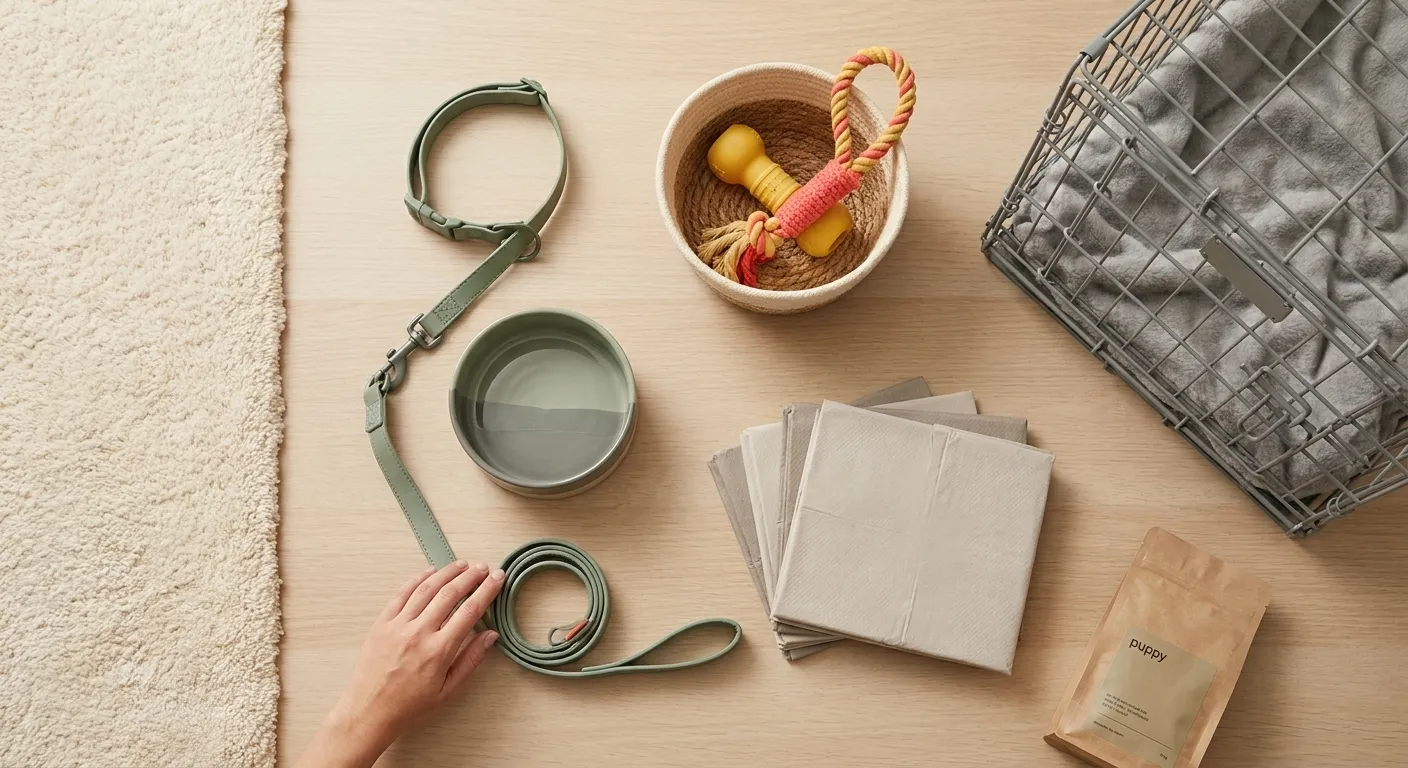
The excitement of bringing a new puppy home is unparalleled! Amidst the joy, however, you might find yourself wondering, “What exactly do I need?” The sheer volume of puppy products can be overwhelming, leading to uncertainty about what’s truly necessary. To help you cut through the clutter and confidently prepare for your new arrival, we’ve created the ultimate new puppy essentials checklist. Our aim is to ensure your home is a safe, comfortable, and stimulating environment from day one, setting both you and your puppy up for success. Moreover, we want to empower you to feel prepared and calm.
Creating a Safe Haven: Puppy-Proofing Your Home
Before your puppy even steps paw inside, take some time to puppy-proof your living space. Puppies are naturally curious and will explore with their mouths. Therefore, anything within reach is fair game. This step is crucial for their safety and your peace of mind. It truly makes a difference.
What to Look For:
- Electrical Cords: Secure or cover all loose cords to prevent chewing. This is a common hazard.
- Toxic Plants: Identify and remove any houseplants that are toxic to dogs. A quick online search can help you identify these.
- Small Objects: Pick up small items like coins, jewelry, medications, cleaning supplies, and children’s toys that could be swallowed. Puppies can be surprisingly quick.
- Trash Cans: Use cans with secure lids or keep them in cabinets. This prevents messy and potentially dangerous rummaging.
- Chemicals: Store all cleaning products, automotive fluids, and garden chemicals safely out of reach. Child-proof locks can be very useful here.
- Valuables: Move anything you cherish or don’t want chewed to higher ground. Puppies love to chew, especially during teething.
Your Essential Puppy Supply List
Now for the fun part: shopping! This comprehensive list covers everything from feeding to comfort to training, ensuring you have all the essential puppy items. Preparing in advance will reduce stress for everyone. Think of this as your guide to a well-prepared home.
Feeding & Hydration:
- High-Quality Puppy Food: Consult with your vet or breeder for recommendations specific to your puppy’s breed and size. Transition food slowly if changing brands.
- Food and Water Bowls: Stainless steel or ceramic are often preferred for hygiene and durability. Plastic bowls can harbor bacteria.
- Treats: Small, soft, high-value treats for training and positive reinforcement. These are vital for teaching good manners.
- Food Storage Container: Keep puppy food fresh and pest-free. An airtight container is best.
Comfort & Sleeping:
- Crate: A properly sized crate (just big enough for them to stand, turn, and lie down) is invaluable for house-training and creating a den-like safe space. Ensure it has a divider for growth. Furthermore, a crate helps establish a routine.
- Comfortable Bedding: A soft, washable bed or blanket for their crate or designated sleeping area. Choose something durable.
- Blanket/Towel: Something with the scent of their littermates or previous home can provide comfort during the transition. Ask your breeder for one.
- Enrichment Toys: Puzzle feeders or KONG toys can keep them entertained and mentally stimulated, especially in their crate. This helps prevent boredom.
Leash, Collar & ID:
- Adjustable Collar or Harness: Choose one that fits snugly but allows two fingers to slip underneath. A harness is often better for puppies to prevent strain on their developing necks. For more guidance on walks, consider our article on Positive Reinforcement Training for Better Dog Walks.
- Leash: A 4-6 foot standard leash is ideal for walks and training. Avoid retractable leashes for puppies as they offer less control.
- ID Tag: Immediately put an ID tag on your puppy’s collar with your contact information. Consider microchipping as well, a crucial step for their safety.
- Poop Bags: Always have these on hand for walks. It’s a responsible part of dog ownership.
Grooming & Health:
- Brush/Comb: Appropriate for your puppy’s coat type. Regular brushing helps with bonding and reduces shedding.
- Puppy Shampoo: Choose a gentle, tear-free formula. Bathing too often can dry out their skin.
- Nail Clippers: Start getting your puppy used to nail trims early. Ask your vet or groomer for a demonstration.
- Ear Cleaner: Discuss with your vet if your puppy’s breed requires regular ear cleaning.
- Toothbrush and Toothpaste: Begin dental hygiene early to prevent future problems. Use dog-specific toothpaste.
- First-Aid Kit: Include essentials like antiseptic wipes, gauze, and tweezers. The AKC provides a comprehensive list for a canine first-aid kit.
- Vet Appointment: Schedule a visit soon after bringing your puppy home for a check-up and to discuss vaccinations.
Playtime & Training: The New Puppy Essentials Checklist for Mental Well-being
Play is not just fun; it’s essential for your puppy’s development and mental stimulation. Engaging toys and early training are key components of raising a well-adjusted dog. This section of the new puppy essentials checklist focuses on these vital aspects.
Toys for Every Occasion:
- Chew Toys: Offer a variety of safe, durable chew toys to satisfy their natural urge to chew. This protects your furniture.
- Interactive Toys: Puzzle toys or treat-dispensing toys keep them engaged and challenge their minds.
- Fetch Toys: Balls or soft frisbees are great for outdoor play and exercise.
- Rope Toys: Good for supervised tug-of-war, teaching appropriate play boundaries.
Training & Socialization Tools:
- Clicker (Optional): Many trainers use clickers for positive reinforcement. It can be a very effective tool.
- Training Treats: Small, soft, and highly palatable treats are ideal for short training sessions.
- Puppy Pads: Useful for house-training, especially if you live in an apartment or during inclement weather. However, aim to transition to outdoor potty breaks quickly.
- Long Line: A 15-30 foot line can be great for practicing recall in a safe, open area.
- Enrollment in Puppy Classes: Early socialization is critical. Puppy classes offer a controlled environment for your puppy to meet other dogs and people. This also provides an excellent opportunity for you to learn more about Dog Training Programs for Better Behavior.
Setting Up for Success: Beyond the Supplies
Having the right supplies is a fantastic start, but a truly happy beginning involves more than just physical items. It’s about setting routines, understanding your puppy’s needs, and building a strong, loving bond. This is where your new puppy essentials checklist truly expands.
Routines and Structure:
- Feeding Schedule: Establish a consistent feeding schedule from day one. This aids in house-training and digestion.
- Potty Schedule: Take your puppy out frequently, especially after waking, eating, and playing. Reward successful potty breaks enthusiastically. Consistency is key.
- Sleep Schedule: Puppies need a lot of sleep. Ensure they have a quiet, comfortable place to rest without interruption.
- Playtime Schedule: Incorporate regular play sessions to burn energy and prevent destructive behaviors.
Health and Well-being:
- Emergency Vet Contact: Have the number for your regular vet and an emergency vet clinic readily available. It’s always better to be prepared.
- Pet Insurance (Optional but Recommended): Consider pet insurance to help with unexpected veterinary costs.
- Safe Transportation: A secure crate or safety harness for car travel is essential. This protects both your puppy and passengers.
- Research Local Dog Parks/Walks: Find safe, dog-friendly areas for exercise and socialization. Remember, socialization is a continuous process.
Building a Bond: The Heart of Your New Puppy Journey
Ultimately, the most important items on any new puppy essentials checklist aren’t things you buy, but rather the love, patience, and commitment you provide. Your puppy is looking to you for guidance and security. Therefore, fostering a strong bond is paramount.
Time and Attention:
- Quality Time: Spend time playing, cuddling, and just being with your puppy. This strengthens your connection.
- Positive Reinforcement: Always use positive reinforcement in training. Reward good behavior with treats, praise, or toys. This builds trust and confidence. Learn more about encouraging Good Dog Behavior Starts at Home.
- Gentle Handling: Get your puppy used to being touched all over, including paws, ears, and mouth. This makes vet visits and grooming much easier.
Understanding Puppy Behavior:
- Learn Puppy Body Language: Understanding what your puppy is trying to communicate helps you respond appropriately. Resources like the ASPCA offer insights into common dog behaviors.
- Patience is Key: Puppies make mistakes. Approach challenges with patience and understanding, not frustration.
- Socialization Beyond the Home: Expose your puppy to a variety of sights, sounds, people, and other vaccinated dogs in a positive way. This helps them grow into a confident, well-adjusted adult.
Bringing a new puppy home is a wonderful adventure. By using this comprehensive new puppy essentials checklist, you are not just acquiring items; you are creating a foundation for a lifetime of happiness and companionship. Each item and step helps you confidently navigate those exciting, early days. Remember, we are here to support you on this journey. Enjoy every moment with your new furry family member!
FAQ
What are the most important items for a new dog?
The most important items for a new dog include high-quality puppy food, food and water bowls, a properly sized crate, comfortable bedding, a collar/harness with ID, a leash, and a variety of safe chew toys. Additionally, scheduling a vet check-up is crucial.
How can I prepare my home for a new canine companion?
To prepare your home for a new canine companion, focus on puppy-proofing. This means securing electrical cords, removing toxic plants and small objects, storing chemicals safely, and using secure trash cans. Creating a designated safe space, like a crate, is also very beneficial.
What should be on a first-time dog owner’s shopping list?
A first-time dog owner’s shopping list should include puppy food, bowls, a crate, a bed, collar, leash, ID tag, grooming tools (brush, nail clippers, puppy shampoo), chew toys, training treats, and enzymatic cleaner for accidents. Don’t forget poop bags!
What is a good checklist for puppy supplies?
A good checklist for puppy supplies covers feeding (food, bowls, treats), comfort (crate, bed, blanket), safety (collar, leash, ID tag, poop bags), grooming (brush, shampoo, nail clippers), health (vet visit, first-aid kit), and play/training (toys, puppy pads, clicker). This ensures all aspects of their care are covered.
How can I ensure my new dog’s comfort and well-being?
Ensure your new dog’s comfort and well-being by providing a consistent routine for feeding, potty breaks, and sleep. Offer plenty of positive reinforcement, quality time, and gentle handling. Early socialization and vet care are also vital for their overall health and happiness.

