
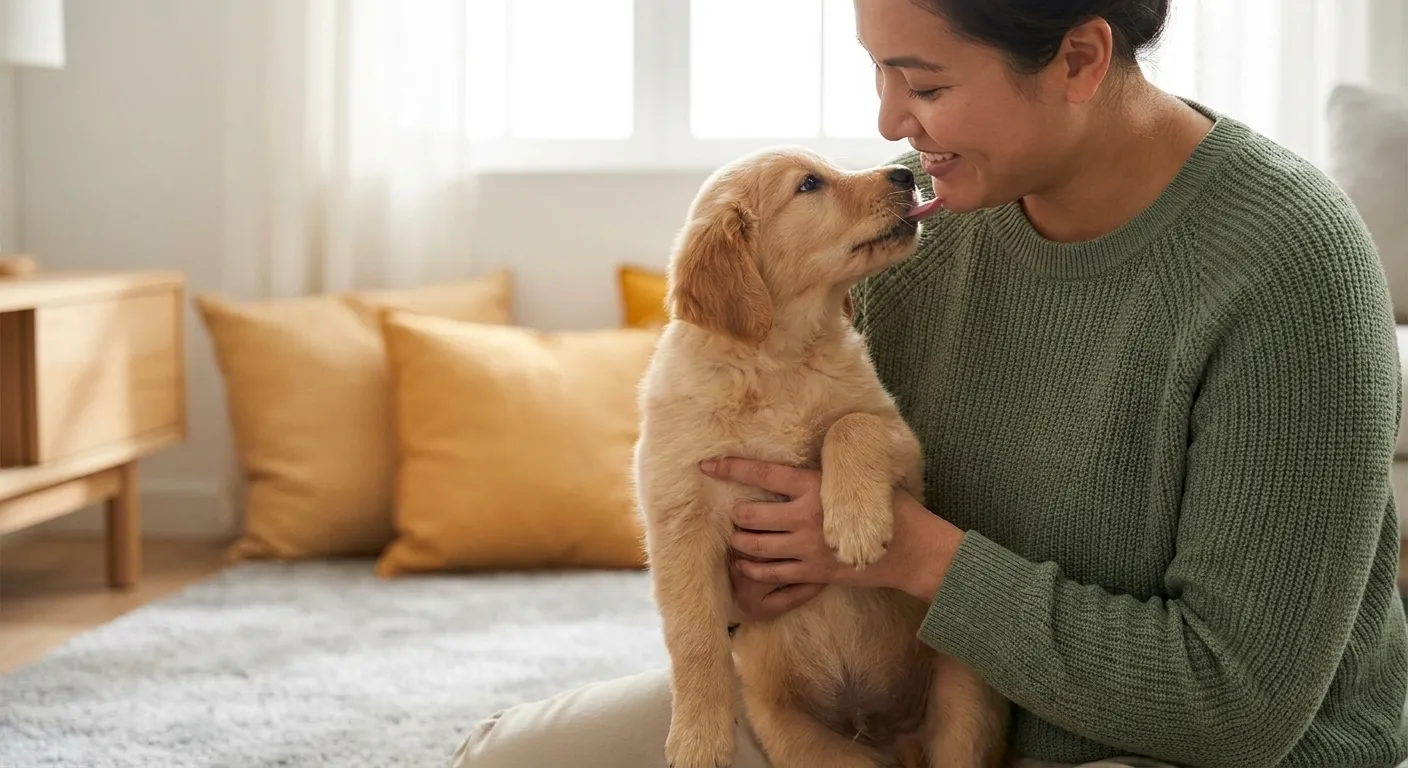
Bringing a new puppy into your home is like welcoming a new family member – full of joy, discovery, and a little bit of chaos! While you’re busy with potty training and basic commands, it’s easy to overlook something equally vital: building a deep, lasting connection. Beyond training, discovering how to strengthen puppy bond is crucial for a fulfilling relationship with your new family member. It’s not just about teaching them what to do, but about understanding who they are and creating a foundation of trust and affection.
More Than Just a Pet: Understanding Your Puppy’s World
Your puppy isn’t just a furry automaton responding to commands; they are intelligent, emotional beings with their own unique personalities. To truly nurture your connection, start by seeing the world from their perspective:
- Empathy: Try to understand why your puppy behaves a certain way. Are they scared, overstimulated, bored, or seeking attention? Their actions often communicate needs.
- Reading Body Language: Learn to interpret their signals – a relaxed tail, soft eyes, a yawn, or a stiff posture. This helps you respond appropriately and build trust.
- Meeting Their Needs: Beyond food and water, ensure they have adequate exercise, mental stimulation, safe rest areas, and consistent positive social interaction. A puppy whose needs are met is a happier, more receptive companion.
Daily Rituals That Strengthen Puppy Bond
The strongest bonds are forged in the everyday moments. Incorporating these simple rituals into your routine can make a world of difference:
- Structured Meal Times: Instead of just putting food down, make mealtime a positive interaction. Hand-feeding some kibble, asking for a ‘sit’ before placing the bowl, or using puzzle feeders can turn eating into a bonding experience. It shows you are the provider of good things.
- Grooming as Bonding Time: Gentle brushing, ear checks, and paw massages aren’t just for hygiene; they’re opportunities for calm, positive physical contact. Start early and make it enjoyable with praise and treats.
- Dedicated Play Sessions: Engage in play that your puppy loves, whether it’s tug, fetch, or chasing a flirt pole. Let them ‘win’ sometimes in tug to build confidence. Play teaches impulse control and communication, and it’s pure fun that cements your connection.
- Cuddle Time and Quiet Moments: Simply sitting together, stroking their fur, or having them rest at your feet creates a sense of security and companionship. These quiet moments reinforce that you are their safe haven.
The Power of Positive Reinforcement in Bonding
Positive reinforcement isn’t just for training commands; it’s a philosophy for life with your dog. When you consistently reward desired behaviors – not just with treats but with praise, gentle petting, or a favorite toy – you teach your puppy that good things happen when they’re around you and when they make good choices. This builds a positive association with you, naturally helping to strengthen your puppy bond. It’s about creating an environment where your puppy feels safe, understood, and loved. For more on this, consider exploring Positive Reinforcement Training for Better Dog Walks, as the principles apply to all interactions.
Building Trust Through Consistency and Patience
Trust is the bedrock of any strong relationship, and it’s especially true when you want to cultivate a deep bond with your puppy. Puppies thrive on predictability, so consistency in your routine, rules, and responses is incredibly important. For example, if you don’t want your puppy on the furniture, everyone in the family needs to enforce that rule consistently. If the rules keep changing, your puppy will become confused and anxious, which can hinder your efforts to deepen your relationship.
Patience is another vital ingredient. Your puppy is learning about the world and about you. They will make mistakes. Instead of getting frustrated, approach their missteps with understanding and guidance. A gentle redirection and a reward for making the right choice will go much further than punishment, which can erode trust. Remember, every interaction is a chance to build up or break down that trust. This consistent, positive approach is key to developing a robust connection.
Understanding Your Puppy’s Unique Personality
Just like people, every puppy is an individual. Some are bold and adventurous, while others are shy and cautious. Some love to cuddle, and others prefer independent play. Taking the time to observe your puppy and understand their unique personality is essential. What do they enjoy most? What makes them feel safe? What are their comfort signals? What makes them anxious?
Tailoring your interactions to their individual preferences will show them that you truly see and appreciate who they are. For instance, if you have a shy puppy, gentle, quiet interactions might be more effective than boisterous play for building their confidence and strengthening your puppy bond. Similarly, if your puppy is particularly active, ensuring they get enough mental and physical exercise will help them be more settled and receptive to bonding moments. Understanding their individual needs can also help prevent issues like Clingy Puppy Behavior.
Engaging Their Mind: Mental Stimulation for a Stronger Connection
Physical exercise is important, but mental exercise is just as vital for a well-adjusted puppy and a deeper connection. A tired mind is often a happy mind, and engaging your puppy intellectually can significantly enhance your bond. This doesn’t mean you need elaborate training sessions every day; simple activities can make a big difference.
- Puzzle Toys: Food-dispensing puzzle toys are fantastic for keeping your puppy engaged and problem-solving. They turn mealtime or treat time into an enriching activity.
- Scent Games: Hide treats around the house and encourage your puppy to find them. This taps into their natural instincts and is mentally tiring.
- Short Training Sessions: Even 5-10 minute training bursts throughout the day can be incredibly beneficial. Teach new tricks, practice basic commands in different environments, or work on impulse control. These sessions are wonderful opportunities to strengthen your puppy bond through shared activity and accomplishment.
When your puppy is mentally stimulated, they are less likely to engage in destructive behaviors born of boredom. Furthermore, working together on these challenges creates a shared experience, reinforcing your role as a trusted guide and companion. This shared focus helps to strengthen puppy bond in meaningful ways.
The Importance of Safe and Positive Socialization
Socialization isn’t just about exposing your puppy to other dogs and people; it’s about teaching them how to interact with the world in a positive and confident way. As their primary caregiver, you are their guide through these new experiences. Positive socialization experiences help your puppy feel secure and confident, which in turn makes them more relaxed and open to forming deeper connections with you.
Carefully introduce them to new sights, sounds, smells, people, and other well-behaved dogs. Always ensure these experiences are positive and not overwhelming. If your puppy seems scared or stressed, remove them from the situation gently and try again later with a less intense version. Your calm reassurance during these times teaches them that you are their protector and that they can rely on you. This process is fundamental to building a secure attachment and helping to strengthen puppy bond, ensuring they grow into a well-adjusted companion. For further reading, consider our guide on Good Dog Behavior Starts at Home.
Communication Beyond Words: Reading and Responding
Puppies communicate constantly through their body language, vocalizations, and behavior. Learning to truly listen to what your puppy is telling you, even without words, is one of the most powerful ways to strengthen your connection. Are they giving a soft yawn, indicating stress? Is their tail tucked, showing fear? Are their eyes soft and blinking, signaling contentment?
When you respond appropriately to these signals – whether it’s offering comfort, providing space, or engaging in play – your puppy learns that you understand them and that their feelings matter. This builds immense trust and strengthens the emotional ties between you. For example, if your puppy is showing signs of being overwhelmed by a new situation, gently removing them and offering a calming presence reinforces that you are their safe haven. This empathetic responsiveness is crucial for a lasting partnership. You can find more insights on understanding your dog’s needs in articles like Stress Free Dog Habits for a Happier Life.
Overcoming Challenges Together
Life with a puppy isn’t always smooth sailing. There will be challenges – accidents, chewing, nipping, or moments of stubbornness. How you navigate these difficulties together can actually strengthen your puppy bond. Instead of viewing these as setbacks, see them as opportunities for teaching and growth.
Approach challenges with patience, understanding, and a problem-solving mindset. If your puppy is chewing inappropriately, for instance, redirect them to an appropriate chew toy and reward them. If they are struggling with a particular command, break it down into smaller steps. Working through these issues as a team, with you as their kind and consistent guide, reinforces your bond and teaches your puppy resilience and trust in your leadership. Remember, every challenge overcome together makes your relationship stronger.
The Lasting Impact of a Strong Puppy Connection
The effort you put into building a strong connection with your puppy in their early months will pay dividends for years to come. A well-bonded puppy grows into a confident, happy, and well-adjusted adult dog. They are more responsive to training, more resilient in the face of new experiences, and bring immense joy and companionship into your life. This deep connection transforms them from just a pet into a beloved family member, a true partner in life’s adventures. Therefore, to strengthen puppy bond is not just a task, but a lifelong journey of mutual love and understanding. It’s an investment in a future filled with wagging tails and warm snuggles.
Your puppy looks to you for guidance, comfort, and love. By consistently showing up for them with empathy, positive reinforcement, and a willingness to understand their world, you will create an unbreakable bond that enriches both your lives. These simple, everyday acts of kindness and connection are the foundation of a truly special relationship. The time you dedicate now to strengthen puppy bond will create a lifetime of cherished memories and unwavering loyalty.
FAQ
How can I build a better relationship with my new dog?
To build a better relationship, focus on positive interactions, consistent routines, and understanding your puppy’s unique needs. Spend quality time together through play, gentle grooming, and short, positive training sessions. Always use positive reinforcement to reward good behavior.
What activities help a dog and owner connect?
Activities that foster connection include dedicated play sessions (like fetch or tug), engaging in puzzle toys, gentle grooming, hand-feeding, and simply having quiet cuddle time. Short training sessions where you teach new tricks or practice commands also strengthen your partnership.
Why is it important to form a strong attachment with my young dog?
Forming a strong attachment with your young dog is crucial for their overall well-being and development. It builds trust, security, and confidence, leading to a well-adjusted adult dog who is more resilient, responsive to training, and a happier companion. It also helps prevent behavioral issues.
How do I know if my canine companion trusts me?
Signs your canine companion trusts you include relaxed body language (soft eyes, loose tail), coming to you for comfort, following your cues, and being comfortable with your touch. They will also often seek your presence and show enthusiasm when you approach them.
What are some simple steps to improve my dog’s connection to me?
To improve your dog’s connection, start by being consistent and patient. Use positive reinforcement, engage in regular, fun play, and make everyday moments like mealtime and grooming interactive. Most importantly, learn to read their body language and respond to their needs with empathy and care.

