
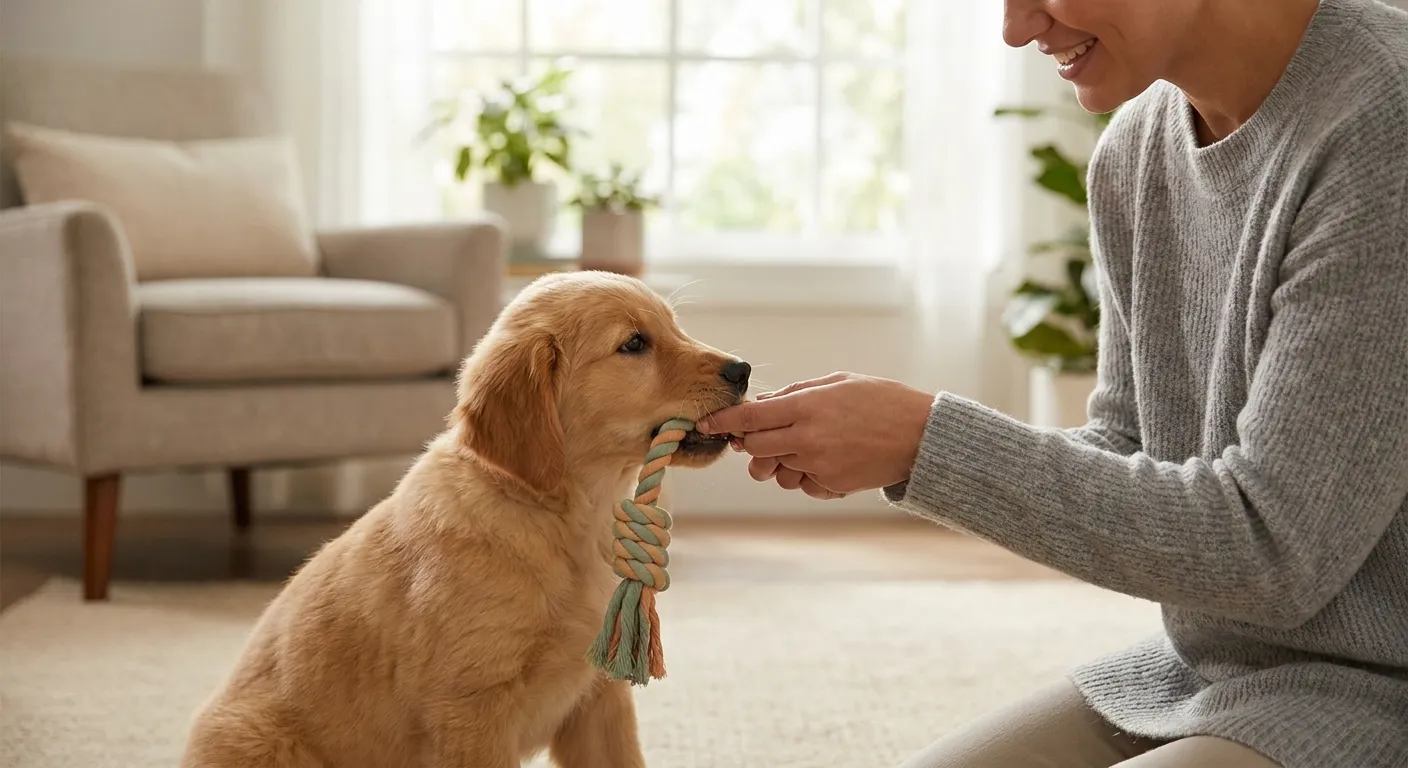
It’s adorable when a tiny puppy playfully nips, but those sharp little teeth can quickly become painful as they grow! If you’re wondering how to stop puppy biting, you’re certainly not alone. Nipping is a natural puppy behavior; after all, they explore the world with their mouths and learn bite inhibition from their littermates. However, it’s essential to guide them gently so they understand what’s acceptable. This isn’t about punishment, but rather about teaching them appropriate ways to interact with you and others.
Many new puppy owners feel overwhelmed when their sweet furball turns into a tiny land shark. Perhaps you’re a busy professional, a first-time pet parent, or part of a bustling family. Therefore, finding clear, actionable, and affordable guidance is crucial. We understand the struggle and are here to offer supportive, non-judgmental advice to help you navigate this common puppy challenge with confidence.
Understanding Why Puppies Nipping Happens
Puppies nip for several reasons; this includes teething, exploration, play, and seeking attention. When puppies play with their littermates, they learn ‘bite inhibition’ – how hard is too hard. For instance, if one puppy bites another too hard, the bitten puppy yelps and stops playing. This teaches the aggressor to be gentler. Consequently, when your puppy bites you, they are essentially treating you like another puppy. Our job is to teach them that human skin is much more sensitive than fur, and play needs to be gentle. It’s a fundamental part of their socialization.
Furthermore, puppies don’t have hands like we do; they use their mouths to investigate everything. Think of it as their way of touching and feeling the world around them. This natural curiosity, combined with the discomfort of teething, often leads to nipping. Knowing the root cause helps us approach the solution with patience and empathy. Your puppy isn’t being naughty; they are simply communicating and learning.
Effective Ways to Stop Puppy Biting
To effectively stop puppy biting, consistency is absolutely key. Here are some gentle, positive reinforcement techniques that truly work. Remember, patience and understanding will be your best tools in this process.
The ‘Ouch!’ and Disengage Method
The moment your puppy’s teeth touch your skin, even gently, yelp loudly. Mimic a puppy’s yelp to signal discomfort, and immediately withdraw your hand or body. Turn away from your puppy for 10-20 seconds. This mimics what a littermate would do, signaling that play stops when they bite too hard. If they continue to nip after you re-engage, briefly leave the room. This teaches them that biting makes the fun stop. It’s a clear, non-punitive consequence.
This method relies on your puppy understanding that their actions have consequences. By consistently removing attention, you teach them that gentle play earns them more interaction. It’s a powerful lesson in communication. Moreover, keep your movements calm and avoid jerking your hand away too quickly, as this can sometimes make the puppy think you’re playing a game.
Redirecting with Appropriate Toys
Always have appropriate chew toys handy. When your puppy starts to nip, gently redirect their mouth to a toy instead of your hand. Praise them enthusiastically when they chew on the toy instead of you. This teaches them what *is* acceptable to chew. High-value chew toys, like those designed for teething puppies, can be especially effective. In fact, having a variety of textures can keep them engaged.
This technique is all about substitution. Instead of focusing on what you don’t want them to do (bite you), you’re showing them what you *do* want them to do (chew their toys). This positive reinforcement approach builds good habits. Furthermore, rotating toys can keep your puppy interested and prevent boredom, which often leads to unwanted nipping. Consider durable rubber toys or puzzle feeders that dispense treats.
Enforced Naps for Overtired Pups
An overtired puppy is often a nippy puppy. Just like human toddlers, puppies can get cranky and irritable when they haven’t had enough rest. Therefore, ensure your pup is getting enough sleep throughout the day. A well-rested puppy is significantly less likely to resort to excessive nipping. Puppies need a surprising amount of sleep, often 18-20 hours a day!
Establishing a consistent nap schedule can work wonders for reducing nipping. For example, after a period of play or training, gently guide your puppy to their crate or a quiet, comfortable resting spot. This helps them understand when it’s time to settle down. You might notice a significant decrease in their nipping tendencies once they are adequately rested. For more on creating a calm environment, you might find our guide on Good Dog Behavior Starts at Home helpful.
Managing Excitement and Overstimulation
Sometimes, puppies nip because they become overstimulated during play. Their excitement can escalate quickly, leading to harder bites. To prevent this, keep play sessions short and sweet. End the game before your puppy gets too riled up. This helps them learn to control their impulses. Additionally, teach them a ‘settle’ command to help them calm down.
You can also observe your puppy’s body language. Are their eyes dilated? Are they panting excessively? Are they becoming too mouthy? These are signs that they might be getting overstimulated. Consequently, it’s a good idea to take a break or redirect them to a quiet activity. Think of it as managing their energy levels, which is crucial for overall Stress Free Dog Habits for a Happier Life.
Bitter Apple Spray (Use with Caution)
For persistent nippers targeting specific items, like furniture legs or clothing, a pet-safe bitter spray can be a deterrent. However, ensure it’s safe and doesn’t upset your puppy. Always test a small area first and observe your puppy’s reaction. Some puppies are unfazed by it, while others find it quite unpleasant. It’s a tool to be used sparingly and thoughtfully.
This method works by making the undesirable object taste bad, thereby discouraging your puppy from chewing on it. Remember, it’s not a substitute for teaching them what they *can* chew. It’s merely a temporary aid to protect items while you reinforce appropriate chewing behaviors. Never spray it directly on your puppy or in their mouth.
Consistency and Patience: The Pillars of Success
Remember, patience is vital. Your puppy isn’t trying to be naughty; they’re learning the rules of your human world. By consistently applying these gentle methods, you’ll guide your puppy to understand appropriate play and help them develop soft mouths. This makes interactions much more enjoyable for everyone involved. Indeed, consistency is more important than intensity when it comes to training.
Every interaction is a learning opportunity for your puppy. Therefore, ensure that everyone in the household is on the same page regarding how to handle nipping. Mixed signals can confuse your puppy and slow down their learning process. A united front will yield the best results when you want to curtail puppy nipping. You are building foundational behaviors for a well-adjusted companion.
Socialization and Puppy Classes
Proper socialization plays a huge role in teaching puppies appropriate behavior, including bite inhibition. Enrolling your puppy in a well-run puppy class can provide controlled opportunities for them to interact with other puppies and learn from their peers. These classes also offer valuable guidance from professional trainers. This can be a fantastic way to reinforce good manners.
During these interactions, puppies learn to modulate their bite force based on the reactions of other puppies. This is a natural and effective way for them to practice ‘soft mouths’. Furthermore, exposure to different environments, people, and other dogs in a positive setting builds a confident and well-rounded dog. For more on positive interactions, consider our insights on Confident Dog Parent Habits for Everyday Success.
When to Seek Professional Help
While most puppy nipping is normal and can be managed with the techniques above, there are instances where professional help might be beneficial. If your puppy’s biting is unusually aggressive, draws blood frequently, or seems to escalate despite consistent training, it might be time to consult with a certified professional dog trainer or a veterinary behaviorist. They can assess the situation and provide tailored guidance.
These professionals can help identify underlying issues, such as anxiety or frustration, that might be contributing to the excessive biting. They can also offer advanced techniques and strategies to help you and your puppy overcome persistent challenges. Sometimes, an outside perspective makes all the difference. For instance, a trainer might observe nuances you’ve missed. For general training guidance, you might explore Dog Training Programs for Better Behavior.
The Long-Term Benefits of Gentle Training
Teaching your puppy not to bite with gentle methods sets them up for a lifetime of positive interactions. You’re not just stopping an unwanted behavior; you’re building trust and strengthening your bond. A puppy that learns bite inhibition becomes a dog that understands appropriate play, making them a joy to be around for family, friends, and even strangers. This foundational training prevents future problems.
Moreover, a well-behaved dog is a confident dog. They understand boundaries and feel secure in their environment. This gentle approach fosters a respectful relationship between you and your furry companion. It avoids instilling fear or anxiety, ensuring your puppy grows into a happy, well-adjusted adult dog. For information on responsible dog ownership, you can visit the ASPCA website. For further reading on canine behavior, the American Kennel Club offers many resources.
In conclusion, while puppy nipping can be frustrating, it’s a completely normal phase that every puppy goes through. By arming yourself with patience, consistency, and positive reinforcement techniques, you can gently guide your puppy towards understanding appropriate play. Remember to use the ‘Ouch!’ and disengage method, redirect with toys, ensure plenty of rest, and manage overstimulation. With your empathetic guidance, your puppy will learn to interact gently, transforming those sharp little teeth into soft, loving nudges. You’ve got this!
Frequently Asked Questions About Puppy Biting
What’s the best way to curb puppy nipping?
The most effective way to curb puppy nipping involves a combination of techniques. Use the ‘Ouch!’ and disengage method, immediately withdrawing attention. Redirect your puppy’s mouth to appropriate chew toys. Furthermore, ensure your puppy gets plenty of rest, as overtired puppies tend to nip more frequently. Consistency is key for success.
How can I teach my puppy to have a soft mouth?
To teach your puppy to have a soft mouth, consistently respond to any pressure from their teeth, even light pressure, with a clear signal that play stops. A yelp followed by disengagement is very effective. Over time, they learn that gentle interactions keep the fun going, while hard bites make it stop. This process is called bite inhibition.
Is it normal for a puppy to bite a lot?
Yes, it is very normal for puppies to bite a lot. They explore their world with their mouths, and nipping is a natural part of their play and development, especially during teething. However, it’s our role as owners to gently guide them to understand appropriate biting pressure and what they are allowed to chew.
When should I worry about my puppy’s nipping?
You should start to worry about your puppy’s nipping if it seems excessively aggressive, frequently draws blood, or if your puppy doesn’t respond to consistent, gentle training methods. In such cases, consulting with a certified professional dog trainer or a veterinary behaviorist is highly recommended to rule out underlying issues.
Are there certain breeds that are more prone to biting?
While all puppies nip, some breeds, particularly those bred for herding or guarding, might naturally have a stronger instinct to use their mouths. However, with consistent and early training, any puppy can learn appropriate bite inhibition. Breed tendencies are less important than consistent training and socialization.

