
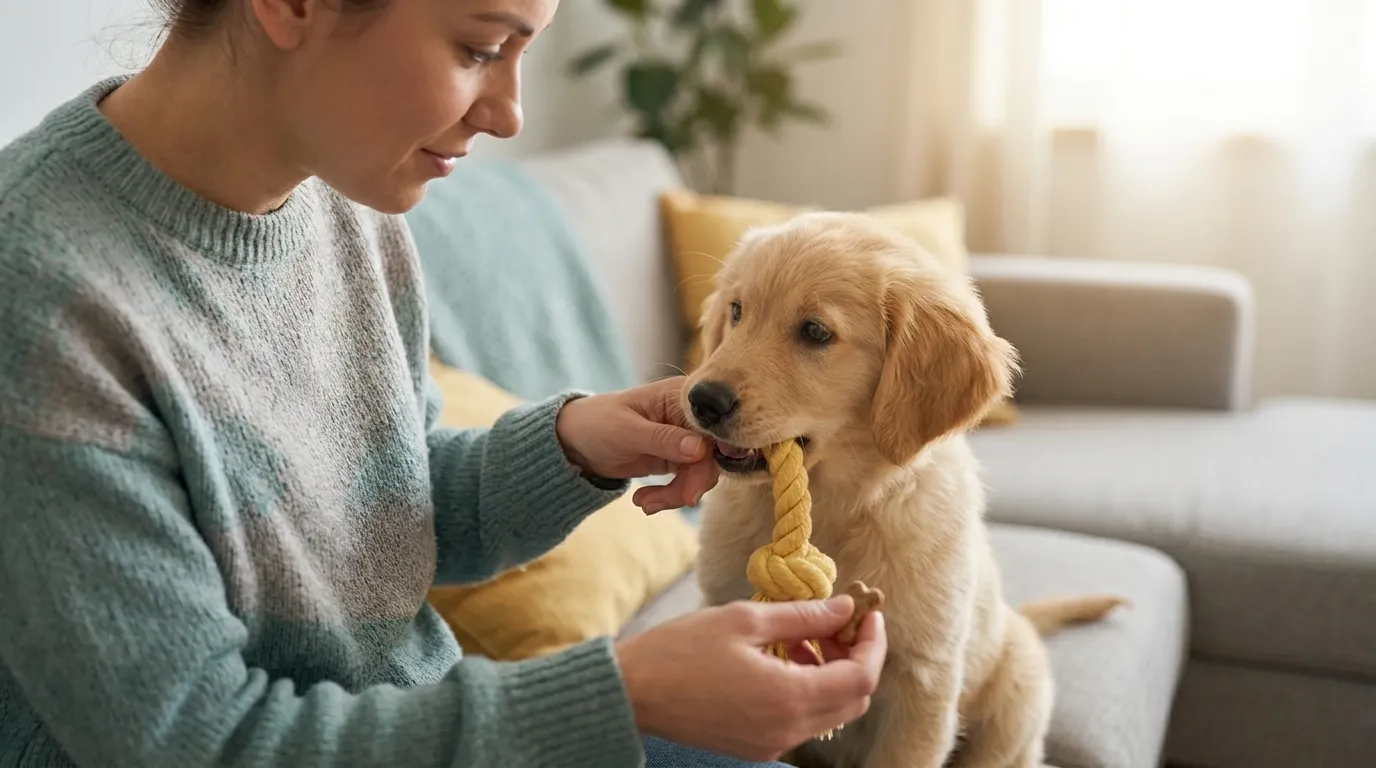
Puppy nipping and biting can be a surprising and sometimes painful reality for new owners. While it’s a completely normal part of puppy development – how they explore their world and learn bite inhibition – it can quickly become frustrating, especially for busy families. The good news is that there are gentle, effective ways to stop puppy nipping without resorting to harsh methods. Our goal is to teach your puppy appropriate mouth manners, ensuring they learn to be soft with their mouths around people and other pets.
Many new puppy parents feel overwhelmed by conflicting advice online. Therefore, we want to reassure you that teaching your puppy to be gentle is entirely achievable. This guide offers clear, actionable, and affordable guidance to help you confidently raise a well-adjusted puppy. Furthermore, remember that patience and consistency are your best friends in this journey.
Understanding Why Your Puppy Nips and Bites
Before we explore solutions, it’s helpful to understand why puppies nip. Firstly, it’s how they explore their world. Much like human babies put everything in their mouths, puppies use their mouths to investigate textures, objects, and people. Secondly, it’s how they interact with their littermates. Play biting is a crucial part of learning bite inhibition – understanding how much pressure they can exert without causing pain. When a littermate yelps, the biting puppy learns to lighten up. This natural process is what we aim to replicate in a human household.
Thirdly, puppies often nip when they are teething. This period, usually between 3 and 6 months of age, can be uncomfortable for them. Consequently, they seek relief by chewing on anything they can find. Your hands and ankles might seem like perfect chew toys during this time. Additionally, some nipping can be a bid for attention or a sign of being overstimulated or overtired. Recognizing the underlying cause can often guide you to the most effective response.
The Importance of Early Intervention for Puppy Mouth Manners
Addressing puppy mouthing early is crucial for several reasons. Primarily, it establishes good habits from the start. A small puppy’s bite might be cute, but as they grow, it can become a serious problem. Teaching them gentle mouth manners now prevents more significant behavioral issues later on. Moreover, it helps build a stronger bond of trust between you and your puppy. When they learn to be gentle, you’re more likely to engage in positive interactions, which strengthens your relationship.
Furthermore, early training ensures your puppy can safely interact with children, other pets, and visitors. A well-socialized puppy understands boundaries and responds appropriately. This makes them a joy to be around and reduces stress for everyone in the household. Therefore, investing time now will pay dividends for years to come.
Three Gentle Ways to Stop Puppy Nipping
Here are our top three gentle, yet highly effective, methods to curb that pesky puppy mouthing. These techniques are rooted in positive reinforcement and mimic how puppies naturally learn.
1. Redirection is Key to Guiding Their Instincts
When your puppy nips your hands or clothes, immediately redirect their attention to an appropriate chew toy. Have plenty of safe chew toys readily available. This is perhaps the most fundamental step to stop puppy nipping. If they bite you, say “ouch!” in a high-pitched voice – similar to a puppy yelp – then immediately offer a toy. This teaches them that toys are for biting, not human skin. Consistency is vital; everyone in the household should use this method. For example, keep different types of toys nearby, such as soft plush toys, rubber chew toys, and even frozen Kongs filled with peanut butter, to provide variety and sustained interest.
Moreover, make sure the toys are engaging. Rotate them to keep your puppy interested. If they consistently choose your hand over a toy, try making the toy more appealing by wiggling it or making it squeak. The goal is to make the toy a more attractive option than your fingers. This positive association helps them understand what is acceptable to chew. In fact, providing a variety of interactive toys and puzzle toys can also help keep their minds engaged and reduce the likelihood of nipping out of boredom.
2. The “Oh, Too Bad!” Method (Temporary Retreat)
If redirection isn’t enough, or if your puppy bites too hard, try the “Oh, too bad!” method. When your puppy bites with too much pressure, let out a sharp yelp, immediately remove your hand or body part, and walk away or turn your back for 10-20 seconds. This teaches them that hard bites make the fun stop. Puppies are social creatures and crave interaction, so the loss of attention is a powerful lesson. As soon as they calm down, and only then, you can return and resume interaction. This technique mimics how puppies learn bite inhibition from their littermates – when a bite is too hard, the playmate disengages.
It’s important to be consistent with this method. Every time your puppy bites too hard, the interaction should stop. This clear consequence helps them quickly connect their biting behavior with the loss of your attention. Do not scold or punish your puppy; simply remove yourself. The absence of interaction is the lesson itself. Furthermore, ensure that everyone in the family understands and applies this method uniformly. Otherwise, inconsistent responses can confuse your puppy and prolong the learning process.
3. Encourage Calm Play and Manage Excitement
Active, rough play can sometimes escalate nipping. Incorporate calmer play sessions, such as gentle tug-of-war (where you initiate and end the game, and the puppy releases on command) or fetch. Reward calm behavior with praise and treats. Remember, it takes time and consistency to stop puppy nipping, but with patience and positive reinforcement, your puppy will learn to be gentle. For instance, instead of wrestling with your hands, use a long rope toy for tug. This keeps your hands away from their mouth.
Additionally, recognize signs of overstimulation. A puppy who is zooming around, panting heavily, and nipping more frequently might be overtired or overexcited. In such cases, a short “time out” in a quiet space or a nap can work wonders. Teaching your puppy to settle calmly is a valuable skill that reduces the likelihood of impulse biting. Moreover, practice short training sessions focusing on basic commands like “sit” and “stay.” These mental exercises can be just as tiring as physical ones and promote a calmer demeanor. Therefore, managing their energy levels is a key component in reducing unwanted mouthing.
Additional Strategies to Tackle Puppy Biting
Beyond the core three methods, several other strategies can help you stop puppy nipping effectively and gently. These complementary approaches address different aspects of puppy behavior and development.
Adequate Exercise and Mental Stimulation
A tired puppy is often a well-behaved puppy. Ensure your puppy receives enough physical exercise appropriate for their age and breed. This doesn’t mean endless running; short, frequent walks and play sessions are often more beneficial. Equally important is mental stimulation. Puppies need to use their brains! Puzzle toys, training sessions, and even short sniff walks can provide excellent mental enrichment, reducing boredom-induced nipping. Consider hiding treats around the house for them to find, which engages their natural foraging instincts. A mentally stimulated puppy is less likely to resort to nipping out of boredom or frustration.
Crate Training for Calmness
Crate training can be a fantastic tool for managing puppy nipping, especially when your puppy is over-tired or over-stimulated. A crate provides a safe, quiet space where your puppy can decompress and nap without constant interaction. This isn’t a punishment; rather, it’s a den where they can feel secure. When you notice your puppy getting overly mouthy, it might be a sign they need a break. Gently guide them to their crate for some quiet time. This helps them learn to regulate their energy and provides you with a much-needed reprieve. For more information on the benefits of crate training, a trusted resource like the Humane Society offers excellent guidance.
Socialization with Other Dogs (Carefully Monitored)
Safe and supervised interactions with other vaccinated, friendly adult dogs can be incredibly beneficial for teaching bite inhibition. Older dogs often have excellent “manners” and will correct a puppy’s overly enthusiastic nipping with a growl or a firm body block. This peer-to-peer learning is invaluable. However, always ensure these interactions are positive and safe. Avoid dog parks until your puppy is fully vaccinated and has a solid foundation of manners. Instead, opt for one-on-one playdates with known, calm dogs. For further reading on safe puppy socialization practices, the ASPCA provides useful insights.
Consistency Across All Family Members
This point cannot be stressed enough: consistency is paramount. Every person who interacts with your puppy must use the same methods to address nipping. If one family member allows rough play while another consistently redirects, your puppy will become confused. Hold a family meeting to ensure everyone understands the chosen techniques – redirection, the “Oh, too bad!” method, and encouraging calm play. When everyone is on the same page, your puppy will learn much faster and more effectively. This unified front helps to reinforce the desired behaviors.
When to Seek Professional Help to Stop Puppy Nipping
Most puppy nipping can be managed with the gentle, consistent methods outlined above. However, there are times when seeking professional guidance is advisable. If your puppy’s biting seems unusually aggressive, if they draw blood frequently, or if the methods described here are not yielding results after consistent application for several weeks, it might be time to consult a certified professional dog trainer or a veterinary behaviorist. These experts can assess your puppy’s individual situation, identify any underlying issues, and provide a tailored training plan. They can offer insights that might be missed in a general guide, ensuring your puppy gets the specific help they need.
Remember, seeking help is a sign of responsible pet ownership, not failure. Sometimes, a fresh pair of eyes and expert knowledge can make all the difference. Early intervention for persistent or concerning biting behaviors is always best for both your puppy’s well-being and your peace of mind.
Conclusion: Patience and Positive Reinforcement Prevail
Dealing with puppy nipping and biting can certainly test your patience, especially for new puppy owners navigating this exciting yet challenging journey. However, by understanding the reasons behind your puppy’s behavior and applying gentle, consistent training methods, you can successfully stop puppy nipping and guide them towards appropriate mouth manners. Remember to always use positive reinforcement, rewarding the behaviors you want to see more of. Celebrate small victories, and don’t get discouraged by setbacks. Every puppy is an individual, and learning takes time.
Your puppy relies on you to be their patient, encouraging guide. With dedication to redirection, temporary retreats, calm play, and consistent effort from everyone in the household, you’ll soon enjoy a puppy who understands how to be gentle. This will lead to a happier, healthier relationship for years to come. You’ve got this!
FAQ: Gentle Puppy Biting Solutions
Why do puppies nip and bite so much?
Puppies nip and bite as a normal part of their development. They use their mouths to explore the world, learn bite inhibition from littermates, and relieve discomfort during teething. Sometimes, it’s also a way to seek attention or express being overtired.
How quickly can I expect my puppy to stop mouthing?
The timeline varies for each puppy, but with consistent application of gentle methods, you should start seeing improvement within a few weeks. Full bite inhibition can take several months, often until they are 5-6 months old, as they learn and mature.
Should I punish my puppy for biting me?
No, harsh punishment is not recommended. It can damage your bond, make your puppy fearful, or even escalate the biting. Instead, focus on positive reinforcement techniques like redirection and temporary retreats, which teach them what to do rather than just what not to do.
What if my puppy bites too hard during play?
If your puppy bites too hard, immediately yelp “ouch!” and remove your attention by turning away or walking out of the room for 10-20 seconds. This teaches them that hard bites make the fun stop. Resume play only when they are calm.
What kind of toys are best for a puppy who loves to chew?
Provide a variety of safe and durable chew toys. Look for rubber toys, plush toys, and puzzle toys designed for puppies. Frozen Kongs or teething toys can also be very soothing for teething puppies. Rotating toys keeps them interested and engaged.

