
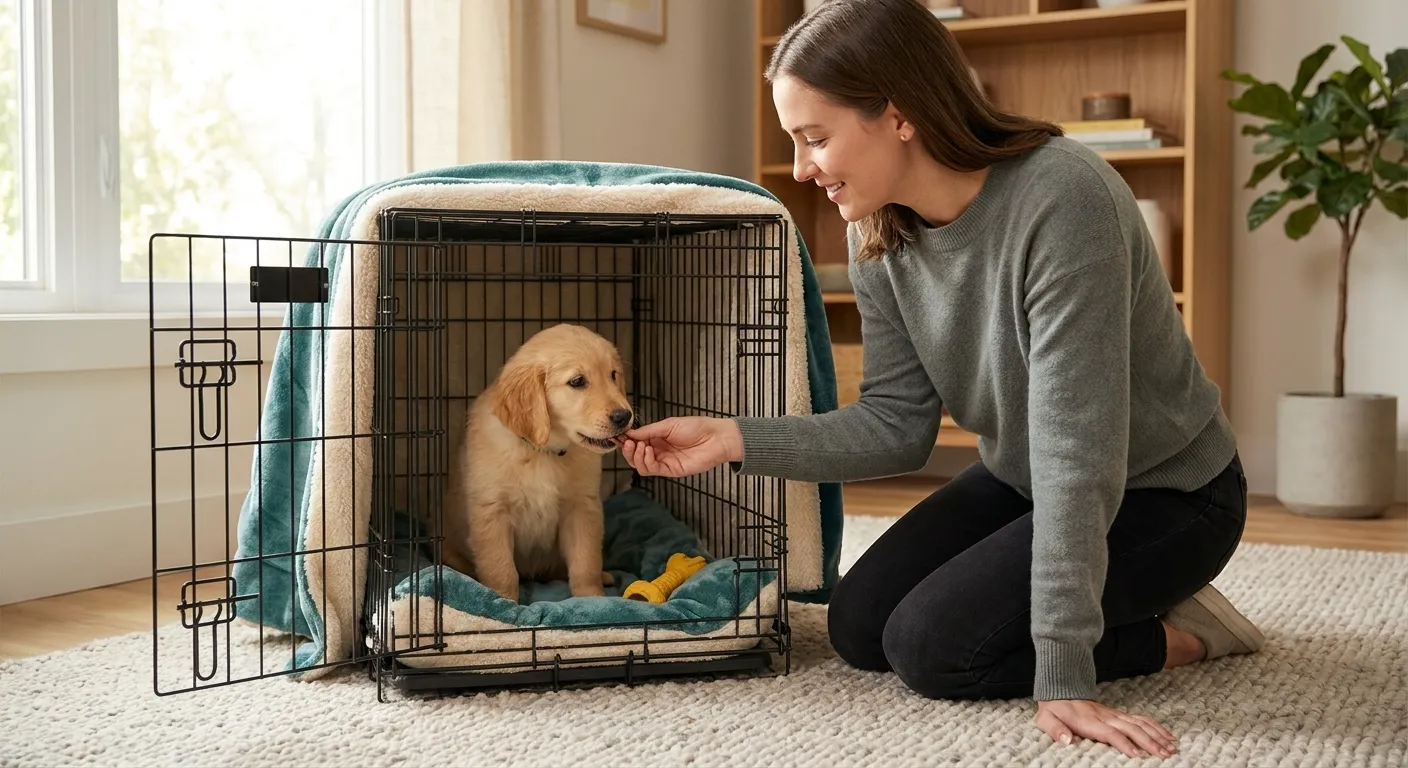
For many new puppy owners, the idea of crate training can bring up mixed feelings. You might worry it’s unfair or even a little cruel. However, when done with kindness and understanding, a crate becomes your puppy’s personal safe haven – a den where they can feel secure and truly relax. Our goal is to make positive crate training a stress-free and beneficial experience for both you and your furry friend, especially for busy individuals looking for effective, compassionate methods.
We understand that navigating all the advice out there can feel overwhelming. Therefore, we’re here to offer clear, actionable steps that respect your puppy’s needs and help you build a strong bond. This approach isn’t about confinement; it’s about creating a comforting retreat that caters to their natural denning instincts.
The Benefits of Positive Crate Training for Your Puppy
Crate training offers numerous benefits far beyond just house-training. Firstly, it provides a secure space for your puppy when you can’t directly supervise them. This prevents destructive chewing on furniture or shoes, and helps avoid potty accidents in the house. Furthermore, it can aid in managing separation anxiety by gently teaching them to be comfortable alone for short periods. This gradually builds their independence and confidence.
Most importantly, a properly introduced crate becomes a comforting retreat. It’s a place your puppy actively chooses to go when they need quiet time, a nap, or just a moment away from household hustle and bustle. Think of it as their own bedroom. When done with positive reinforcement, it fosters a sense of safety and predictability, which is incredibly reassuring for a young puppy in a new home. In addition, it makes travel and vet visits less stressful, as they are already accustomed to a confined space.
Getting Started: Choosing the Right Crate
Selecting the appropriate crate is crucial for success. You’ll want a crate that is just large enough for your puppy to stand up, turn around, and lie down comfortably. If you get a crate that’s too big, your puppy might use one end as a potty area, defeating the purpose of house-training. Many crates come with dividers, which are excellent for adjusting the size as your puppy grows. Consequently, you won’t need to buy multiple crates.
There are several types of crates available: wire, plastic (airline-style), and soft-sided. Wire crates offer good ventilation and visibility, while plastic crates provide a more den-like, enclosed feel, which some puppies prefer. Soft-sided crates are great for travel but less durable for chewers. Consider your puppy’s personality and your lifestyle when making your choice. For instance, a nervous puppy might appreciate the coziness of a plastic crate.
Initial Introductions: Making the Crate Inviting
The first step in introducing the crate is to make it as inviting as possible. Place soft, comfortable bedding inside – a favorite blanket or a plush bed works well. Add a favorite chew toy or a puzzle toy stuffed with treats to make it even more appealing. Leave the door open at first and let your puppy explore it at their own pace. Never force them inside; this can create negative associations.
Encourage your puppy to go in by tossing high-value treats just inside the crate. Praise them enthusiastically with a happy, calm voice when they enter, even if it’s just to sniff around. You can also start feeding meals near or just inside the crate. This helps them associate the crate with positive experiences like food and comfort. Remember, patience is key here. Your puppy needs to feel safe and curious, not pressured.
Another helpful tip is to make the crate smell familiar. Rub a towel on your puppy or even on yourself and place it in the crate. This familiar scent can provide an extra layer of comfort and security, especially during those initial introductions. Meanwhile, ensure the crate is in a quiet, yet not isolated, part of your home where your puppy can still feel part of the family.
Gradually Increasing Crate Time
Once your puppy is comfortable entering the crate voluntarily, you can begin to close the door for very short periods. Start with just a few seconds while you’re still in the room. Open the door before your puppy shows any signs of distress. As a result, they learn that the door opening is predictable and positive. Gradually increase the time the door is closed, always staying nearby.
When your puppy is calm inside the closed crate, praise them softly and give them a small treat through the wire. Avoid making a big fuss when letting them out; keep it low-key. This prevents them from associating their release with a huge celebration, which could encourage whining. Instead, simply open the door and let them walk out calmly.
It’s important to never use the crate for punishment. If your puppy associates the crate with negative experiences, it will become a source of fear, not comfort. Instead, the crate should always be a safe, positive space. If your puppy whines or cries while in the crate, first ensure all their needs are met (potty, food, water, exercise). If you’ve addressed their needs and they are simply fussing, ignore short periods of fussing. Waiting for a brief moment of quiet before letting them out teaches them that quiet behavior gets attention, not whining. However, never let a puppy cry excessively; this could indicate genuine distress.
Overnight Crate Training and Alone Time
For overnight training, place the crate in your bedroom or very close to it during the first few weeks. This allows your puppy to hear and smell you, providing comfort and reducing anxiety. You can also easily hear them if they need to go out for a potty break. Puppies, especially young ones, cannot hold their bladder for long periods, so expect nighttime potty breaks.
As your puppy gets older and more comfortable, you can gradually move the crate to its permanent location, if desired. When leaving your puppy alone during the day, ensure they have had plenty of exercise and a potty break right before going into the crate. Provide them with a safe, long-lasting chew or a puzzle toy to keep them occupied. Start with very short periods of alone time and slowly increase it. For instance, leave them for 5 minutes, then 10, then 15, and so on. This builds their tolerance gradually.
Remember, the goal of positive crate training is to help your puppy feel secure and confident in their own space, providing peace of mind for you too. It’s a powerful tool for house-training, preventing destructive behaviors, and managing separation anxiety. Always ensure they have access to water, either in a spill-proof bowl attached to the crate or by offering water frequently when they are out.
Troubleshooting Common Crate Training Challenges
Even with the best intentions, you might encounter some challenges. Here are a few common issues and how to approach them with empathy and encouragement:
- Excessive Whining or Barking: As mentioned, ensure all needs are met. If they are fed, watered, pottied, and exercised, they might be testing boundaries. Wait for a brief pause in the noise before letting them out. If the whining is persistent and distressful, take a step back in your training; perhaps the time in the crate was too long.
- Reluctance to Enter: Revisit the introduction phase. Make the crate even more appealing with higher-value treats and exciting toys. Play games around the crate, like tossing a ball near it, to build positive associations. Never push or force them in.
- Potty Accidents in the Crate: This often means the crate is too large, or your puppy was left in too long. Adjust the crate size with a divider. Also, ensure you are taking your puppy out for potty breaks frequently enough, especially after waking up, eating, and playing. Consult a vet if accidents persist, as there might be an underlying medical issue.
For more general guidance on puppy behavior and training, you can explore our Blog section. There are many articles designed to help new puppy owners navigate common situations with confidence.
Making Crate Time Enjoyable: Enrichment Ideas
To truly make the crate a positive space, consider enriching your puppy’s time inside. A stuffed Kong toy, frozen with peanut butter or plain yogurt, can keep them happily occupied for a significant period. Similarly, a durable interactive toy designed for crate use can provide mental stimulation. Always ensure any toys left in the crate are safe and cannot be chewed into small, ingestible pieces that could pose a choking hazard.
You can also use soft, calming music or a white noise machine near the crate. This can help muffle household sounds that might startle your puppy and create a peaceful environment. Some puppies even enjoy a light blanket draped over part of the crate to create a more den-like, secure feeling, provided there’s still good airflow.
Remember, every puppy is an individual. What works perfectly for one might need slight adjustments for another. Be observant of your puppy’s cues and adjust your approach accordingly. The goal is to build trust and positive associations, making positive crate training a truly beneficial experience.
When to Seek Professional Help
While positive crate training is generally straightforward, some puppies may exhibit extreme anxiety or fear towards the crate despite your best efforts. If your puppy shows signs of severe panic, relentless barking or howling, attempts to escape causing injury, or excessive drooling/panting, it might be time to consult a professional dog trainer or a veterinary behaviorist. These experts can assess your specific situation and provide tailored strategies to help your puppy overcome their fear. They can also rule out any underlying medical conditions contributing to the behavior. Early intervention can make a significant difference in helping your puppy feel more comfortable and secure.
It’s important to remember that you’re not alone in this journey. Many new puppy owners face similar challenges, and seeking help is a sign of responsible pet ownership. There are resources available, and with the right guidance, even the most crate-averse puppy can learn to appreciate their den.
Conclusion: A Safe Haven for Your Furry Friend
Ultimately, positive crate training is a powerful tool for raising a well-adjusted, confident puppy. It’s not about punishment or confinement; it’s about creating a safe, personal sanctuary where your puppy can feel secure, relax, and develop healthy independence. By approaching it with empathy, patience, and consistent positive reinforcement, you’ll transform the crate from a potential source of worry into a beloved den. This will offer peace of mind for you, knowing your puppy is safe and happy, and a comforting retreat for them. Moreover, this investment in their early development will pay dividends for years to come, strengthening your bond and making your life together even more joyful. Keep in mind, consistency is truly your best friend throughout this process.
FAQ: Common Questions About Puppy Dens
How long should my puppy stay in the crate?
The duration depends on your puppy’s age and bladder control. As a general rule, a puppy can hold their bladder for roughly one hour per month of age. For instance, a 3-month-old puppy can typically stay in a crate for about 3-4 hours during the day. Overnight, they might manage a bit longer, but expect potty breaks. Never leave a puppy in a crate for excessive periods, as this can hinder house-training and cause distress.
What if my puppy cries continuously in the crate?
Firstly, ensure all their basic needs are met: they’ve had a potty break, food, water, and exercise. If they are still crying, it might indicate they are not yet comfortable. Avoid letting them out while they are actively crying, as this teaches them that crying gets attention. Instead, wait for a brief moment of quiet before opening the door. If the crying is prolonged and distressed, you might be progressing too quickly; try shorter crate times or revisit the introduction steps. Sometimes, covering part of the crate can help create a more secure feeling.
Can I leave water in the crate with my puppy?
Yes, especially for longer periods, it’s important to provide water. Use a spill-proof bowl that attaches securely to the side of the crate to prevent messes. For very young puppies or short durations (1-2 hours), you might offer water before and immediately after crate time. Always ensure your puppy is well-hydrated.
Is it okay to use treats for crate training?
Absolutely! Treats are a fantastic way to create positive associations with the crate. High-value treats, like small pieces of cooked chicken or cheese, can make the crate a highly desirable place. Toss treats inside, give them when your puppy enters willingly, and even occasionally through the bars when they are calm inside. This reinforces the idea that the crate is a rewarding place to be.
My puppy seems to hate the crate. What should I do?
Don’t give up! Some puppies take longer to adjust. Reassess your approach. Is the crate the right size? Is it comfortable? Are you making it inviting enough with toys and treats? Are you progressing too quickly? Never use the crate as punishment. If your puppy shows extreme fear or anxiety, consider seeking guidance from a professional dog trainer or veterinary behaviorist. They can offer personalized strategies to help your puppy overcome their aversion and make the crate a positive experience.
At what age should I start crate training?
You can start crate training as soon as you bring your puppy home, typically around 8-12 weeks of age. The younger they are, the more adaptable they tend to be, making it easier to introduce new routines. Starting early helps them develop a positive association with their den from the beginning. However, it’s never too late to begin; older puppies and even adult dogs can learn to love their crate with patience and the right methods.

