
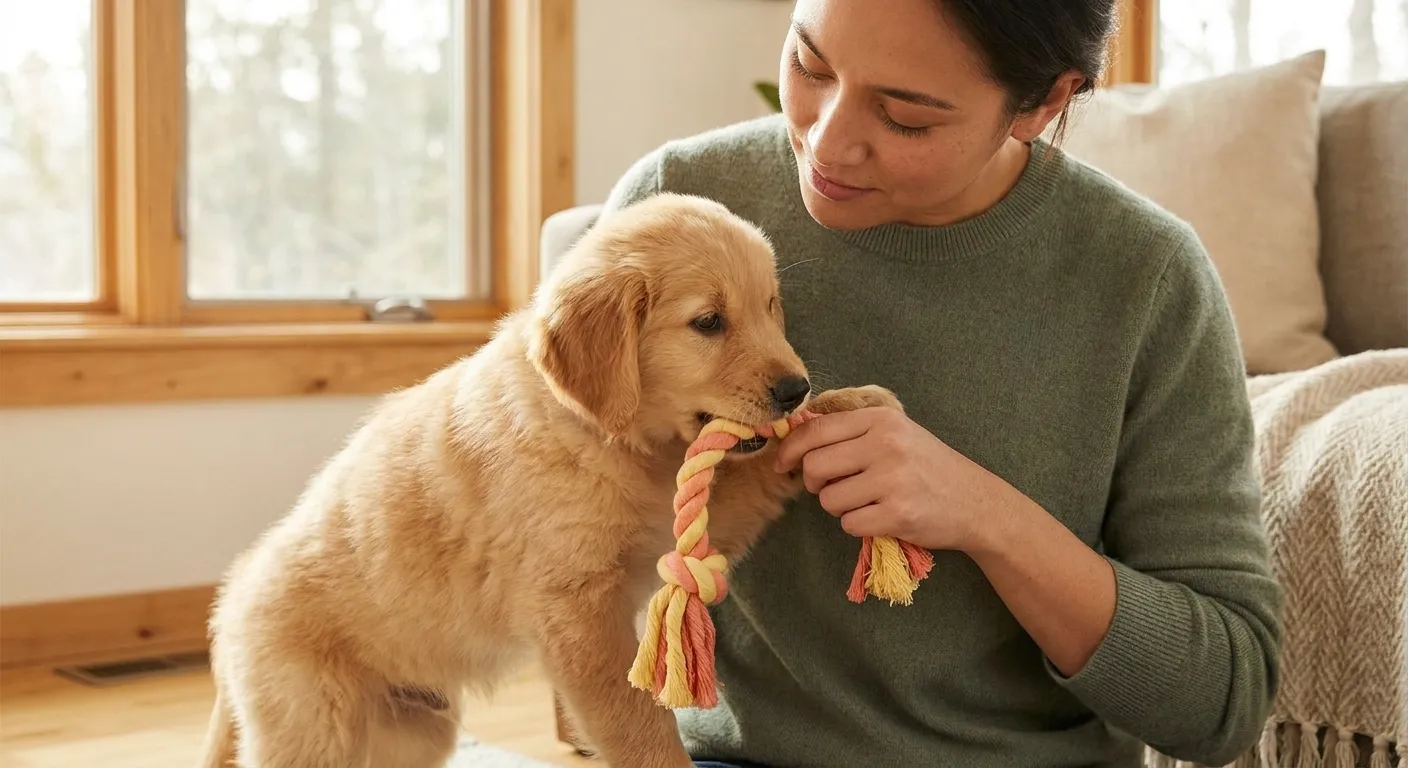
Ah, puppyhood! A time of adorable antics, endless cuddles, and… razor-sharp teeth. If you’re a new puppy owner, chances are you’ve experienced the surprise (and sometimes pain!) of a puppy nip. You might be wondering, “How do I stop puppy biting without being harsh or discouraging their playful nature?” It’s a common concern, and you’re definitely not alone. Many first-time pet parents feel overwhelmed by the constant mouthing and nipping, fearing it might escalate into aggression or that they’re doing something wrong.
Rest assured, puppy biting is a completely normal part of their development. Puppies explore the world with their mouths, and they learn bite inhibition – how much pressure they can exert without causing harm – through interactions with their littermates and mother. When they come to us, it’s our job to continue this education gently and effectively. This guide will provide clear, positive reinforcement techniques to help you redirect your puppy’s nipping and mouthing, fostering a well-mannered companion.
Understanding Why Puppies Bite
Before we dive into solutions, let’s understand the ‘why’ behind the bites:
- Exploration: Puppies use their mouths like human babies use their hands – to investigate objects, textures, and even people.
- Teething: Just like human infants, puppies experience discomfort as their adult teeth emerge. Chewing on anything and everything helps soothe their gums.
- Play: Nipping is a natural part of puppy play. They learn boundaries and communication through these interactions with their littermates.
- Seeking Attention: Sometimes, a puppy might nip to get your attention, especially if they’ve learned it’s an effective way to engage you.
- Over-stimulation/Fatigue: An overtired or overstimulated puppy can become nippy and mouthy, much like a cranky toddler.
It’s important to distinguish between normal puppy nipping and true aggression. Puppy nips are usually playful, though sometimes painful, and lack the intent to harm. If you suspect aggression (growling, stiff body, snarling), consult a professional animal behaviorist immediately.
Gentle Strategies to Stop Puppy Biting
Our goal isn’t to punish biting, but to teach your puppy what is acceptable to bite and how to control the pressure of their jaws. Here are some effective, positive reinforcement techniques:
1. Teach Bite Inhibition (The “Ouch!” Method)
This mimics how littermates teach each other. When your puppy bites too hard:
- Yelp or Say “Ouch!”: Make a high-pitched yelp or firmly say “Ouch!” in a surprised tone. This often startles the puppy.
- Withdraw Attention: Immediately remove your hand or body part, and completely disengage. Turn away, cross your arms, or even briefly leave the room (for 10-20 seconds).
- Return and Repeat: After a short break, return. If the puppy bites gently, praise and continue play. If they bite hard again, repeat the process. Consistency is key with this method to help your puppy understand that hard bites end the fun.
2. Redirect to Appropriate Chew Toys
Puppies have an innate need to chew, especially during teething. Therefore, having a variety of appealing chew toys readily available is essential. When your puppy starts to mouth or nip at you, gently interrupt the behavior. Then, immediately offer them an appropriate toy. Praise them enthusiastically when they take the toy in their mouth. This teaches them, “Hands are for gentle petting, toys are for chewing.” Consider different textures and types of toys to keep their interest. For some great budget-friendly ideas, check out our guide on Budget-Friendly Puppy Enrichment: DIY Toys & Activities.
3. Provide Plenty of Safe Chewing Options
Beyond redirection, proactively offer a range of safe and stimulating chew toys. This can significantly reduce the urge for your puppy to mouth your hands or furniture. Look for toys made from durable rubber, nylon, or natural materials that are appropriate for your puppy’s size and chewing strength. Rotate these toys regularly to keep things interesting. Frozen carrots, specialized teething toys, or even a frozen, wet washcloth can offer soothing relief for sore gums. This is a vital step in helping your puppy learn what’s okay to chew and what isn’t, ultimately helping to stop puppy biting.
4. Manage Over-Excitement and Fatigue
Just like toddlers, puppies can become nippy when they’re overtired or overstimulated. Observe your puppy for signs of fatigue, such as excessive zoomies, increased nipping, or becoming easily frustrated. When you notice these signs, it’s time for a calm down. Encourage a nap in their crate or a quiet space. Adequate rest is crucial for a puppy’s development and can significantly reduce nipping incidents. Understanding the importance of rest is a big part of managing their behavior, and our article on The Unsung Hero: Understanding Puppy Naps for Healthy Growth offers more insights.
5. Engage in Structured Play
While free play is important, structured play can be a powerful tool to manage nipping. Games like fetch, tug-of-war (with rules!), or hide-and-seek can burn off energy in a positive way. When playing tug, ensure your puppy understands the “drop it” command. If their teeth accidentally touch your hand during play, immediately end the game with an “Ouch!” and a brief time-out. This teaches them that gentle play continues, but rough play stops. Remember, the goal is to teach them how to play without using their teeth on you.
6. Avoid Punishing Your Puppy
It’s natural to feel frustrated when your puppy nips, but punishment can be counterproductive. Hitting, yelling, or holding their mouth shut can damage your bond and even make the biting worse. These methods can teach your puppy to fear you or to bite harder out of defensiveness. Instead, focus on positive reinforcement. Reward the behaviors you want to see, such as gentle interactions and chewing on appropriate toys. This supportive approach builds trust and confidence, which is essential for a well-adjusted companion. Our aim is always to encourage good behavior, not to scold unwanted actions. Therefore, understanding how to effectively manage nipping without resorting to punishment is key to successfully helping to stop puppy biting.
Consistency and Patience: Your Best Tools
Teaching a puppy new behaviors takes time, patience, and unwavering consistency. Every family member should use the same methods to address nipping. If one person allows mouthing while another discourages it, your puppy will become confused. Hold a family meeting to ensure everyone is on the same page with the “Ouch!” method, redirection, and managing play. Remember, your puppy is learning a whole new language, and they rely on you for clear communication.
Think of it as a journey, not a race. There will be good days and challenging days. Celebrate small victories, like a softer bite or a successful redirection to a toy. Your encouragement and understanding will go a long way in shaping your puppy’s behavior and helping them learn to control their mouth. With consistent effort, you will indeed stop puppy biting effectively.
When to Seek Professional Help
Most puppy nipping is normal and can be managed with the techniques outlined here. However, there are times when professional guidance is beneficial. If your puppy’s biting seems aggressive (growling, snapping with intent to harm, stiff body language), or if you feel overwhelmed and unable to manage the behavior on your own, please don’t hesitate to reach out to a certified professional dog trainer or a veterinary behaviorist. They can assess the specific situation and provide tailored advice and training plans. Early intervention is always best for more challenging behaviors.
Creating a Calm Environment to Reduce Nipping
A puppy’s environment plays a significant role in their behavior. A calm, predictable routine can help reduce anxiety and, consequently, nipping. Ensure your puppy has a safe, quiet space to retreat to, like a crate or a designated bed. Regular exercise appropriate for their age and breed is also crucial for burning off excess energy. However, be mindful not to over-exercise them, as this can lead to over-stimulation and increased nipping. Structured quiet time and proper management of their energy levels are important aspects when you want to stop puppy biting.
Consider also how much exposure your puppy is getting to new experiences. While socialization is vital, as discussed in Understanding Puppy’s Critical Socialization Period, too much too soon can be overwhelming. Gradually introduce them to new sights, sounds, and people to build their confidence without causing stress. A well-socialized, confident puppy is often a calmer puppy, less prone to nipping out of fear or over-excitement.
The Link Between Chewing and Nipping
It’s easy to confuse chewing with nipping, but they are distinct behaviors. Nipping is often a form of communication or play, whereas chewing is a natural instinct to explore and relieve discomfort, especially during teething. However, the two are closely related. If your puppy doesn’t have appropriate outlets for chewing, they are more likely to resort to nipping at hands or other forbidden items. Therefore, providing a wide array of engaging and safe chew toys is not just about preventing destructive chewing, but also a key strategy to help stop puppy biting. For more comprehensive solutions on this topic, you might find our guide on Nip It in the Bud: Evidence-Based Solutions for Puppy Chewing Problems incredibly helpful.
Positive Reinforcement and Rewards
Remember, positive reinforcement is your most powerful tool. When your puppy chooses to chew on a toy instead of your hand, or when they offer a soft mouth during play, reward them! This could be with a small, high-value treat, enthusiastic praise, or a short, fun game. The more you reward the behaviors you want, the more likely your puppy is to repeat them. This creates a positive association with appropriate behavior and makes learning enjoyable for your pup. It’s a kind and effective way to teach your puppy how to interact gently, and it truly helps to stop puppy biting.
For instance, if your puppy is playing gently with a toy and not nipping, say “Good quiet mouth!” and give them a treat. This helps them connect the verbal cue with the desired behavior. Over time, they will understand what is expected of them, strengthening your bond and making your home a happier, less nippy place. This method is far more effective than trying to punish unwanted behavior.
Conclusion: Building a Gentle Companion
Raising a puppy is a wonderful adventure, and while the nipping phase can be challenging, it’s a completely normal part of their journey. By understanding why puppies bite and consistently applying gentle, positive reinforcement techniques, you can guide your furry friend to become a well-mannered and gentle companion. Remember to be patient, be consistent, and always approach training with empathy and encouragement. You’re teaching your puppy valuable life skills, and with your support, they’ll learn to interact with the world in a loving way. You’ve got this, and soon, you’ll see a significant reduction in puppy biting. For more resources on puppy training and behavior, consider exploring the ASPCA’s guidance on puppy mouthing or the Humane Society’s tips on bite inhibition.
Frequently Asked Questions About Puppy Nipping
What is the best way to handle persistent puppy mouthing?
Persistent puppy mouthing is best handled with a combination of consistent redirection and teaching bite inhibition. When your puppy mouths too hard, use the “Ouch!” method by yelping and withdrawing attention. Immediately offer an appropriate chew toy. Consistency from all family members is crucial for your puppy to understand the boundaries.
How can I tell if my puppy’s nipping is aggressive?
Normal puppy nipping is usually playful, even if it’s painful, and lacks intent to harm. Aggressive biting typically involves growling, a stiff body posture, snarling, or a clear attempt to cause injury. If you observe these signs, it’s essential to consult a professional animal behaviorist promptly.
Are there certain breeds more prone to nipping?
While all puppies nip as part of their development, some breeds, particularly those bred for herding or retrieving, might have a stronger natural inclination to use their mouths. However, with consistent training and redirection, any puppy can learn appropriate mouth control.
How long does it typically take for puppies to stop nipping?
The nipping phase usually starts to subside as puppies mature, often between 4 to 6 months of age, as their adult teeth come in and they learn better bite inhibition. However, individual puppies vary, and consistent training is key to shortening this period.
What if my puppy nips when they are over-excited?
If your puppy nips due to over-excitement, it’s important to manage their energy levels. Provide structured play to burn off energy, but also ensure they get enough quiet time and naps. When excitement escalates to nipping, a brief “time-out” (10-20 seconds of disengagement) can help them calm down and learn that nipping ends the fun.
Can I use bitter apple spray to deter my puppy from biting?
Bitter apple spray can sometimes be used on objects you don’t want your puppy to chew. However, applying it to your hands is generally not recommended as it can be unpleasant for both you and your puppy and may damage your bond. Focus on positive redirection and teaching appropriate chewing behaviors instead.

