
Bringing home a new puppy often comes with the delightful surprise of razor-sharp puppy teeth! While incredibly cute, those tiny nips can quickly become painful and frustrating, especially for first-time owners. Many new puppy parents frantically search for ways to stop puppy biting effectively, often feeling overwhelmed and even a little disheartened by the constant nipping. But rest assured, puppy biting is a completely normal part of development. With the right gentle, positive strategies, you can guide your puppy to develop soft mouths and appropriate play habits.
You are not alone in this experience. Many new puppy owners feel a bit lost when their adorable furball turns into a tiny land shark. Our aim is to provide clear, actionable, and affordable guidance. We want you to confidently raise a well-adjusted puppy. This guide will walk you through understanding why puppies bite and, more importantly, how to kindly and effectively teach them better manners.
Understanding Why Puppies Bite: It’s Not Aggression!
Before we dive into solutions, it’s crucial to understand why puppies bite. It’s rarely out of malice or aggression. Instead, puppy biting serves several important developmental purposes. Knowing these reasons helps us respond with empathy and effective training, rather than frustration. Moreover, understanding the root cause helps you choose the most appropriate training methods.
- Exploration: Puppies explore the world with their mouths, much like human babies use their hands. Everything new gets a taste! This is how they learn about textures, shapes, and their environment.
- Teething: Just like human infants, puppies experience discomfort as their adult teeth emerge. Chewing helps soothe their gums. Providing appropriate chew toys during this period is essential.
- Play: In litter environments, puppies learn bite inhibition from their siblings. When one bites too hard, the other yelps, and play stops. This teaches them how much pressure is too much. They need you to continue this important lesson.
- Attention Seeking: Sometimes, a puppy might nip to get your attention, especially if they’re bored or under-exercised. They are trying to communicate a need. This is a common behavior, therefore recognizing it is the first step to addressing it.
- Overstimulation/Fatigue: An overtired or overstimulated puppy can also become mouthy. Much like a toddler having a meltdown, a puppy might nip more when they need a break. In fact, understanding puppy naps for healthy growth is crucial for managing their energy levels. You can learn more about understanding puppy naps for healthy growth here.
Understanding these underlying reasons empowers you to respond effectively. You can then address the specific need behind the nipping behavior. It’s all about communication and gentle guidance.
Gentle, Positive Strategies to Stop Puppy Biting Effectively
Our goal isn’t to punish biting, but to teach your puppy what is acceptable to bite (toys!) and how to control the force of their bite (bite inhibition). Positive reinforcement is key here. We want to reward the behaviors we like and redirect the ones we don’t. Furthermore, consistency from all family members is vital for your puppy’s learning.
1. Teach Bite Inhibition with the “Yelp and Withdraw” Method
This mimics how puppies learn from their littermates. It’s a natural and effective way to communicate. When a puppy bites too hard, their littermate will yelp, and play will cease. You can replicate this interaction. This method helps your puppy understand the consequences of hard biting.
- Exaggerated Yelp: The moment your puppy’s teeth touch your skin, give a high-pitched, exaggerated “Yelp!” or “Ouch!” that sounds like a puppy in pain. Make it clear and sudden.
- Withdraw Attention: Immediately withdraw all attention. Cross your arms, turn your back, or even leave the room for 10-20 seconds. This is your puppy’s biggest consequence – loss of play and attention. Puppies crave interaction, so this is a powerful deterrent.
- Resume Calmly: After the brief time-out, return and offer an appropriate chew toy. If the puppy nips again, repeat the process. Consistency is key here. Your puppy needs to learn that biting skin makes the fun stop. In addition, ensure everyone in the household uses this same method.
This method teaches your puppy that human skin is sensitive. It’s a fundamental step in teaching them how to control their bite pressure. Over time, their bites will become softer. This is often referred to as developing a “soft mouth.”
2. Redirection: Offer Appropriate Chew Toys
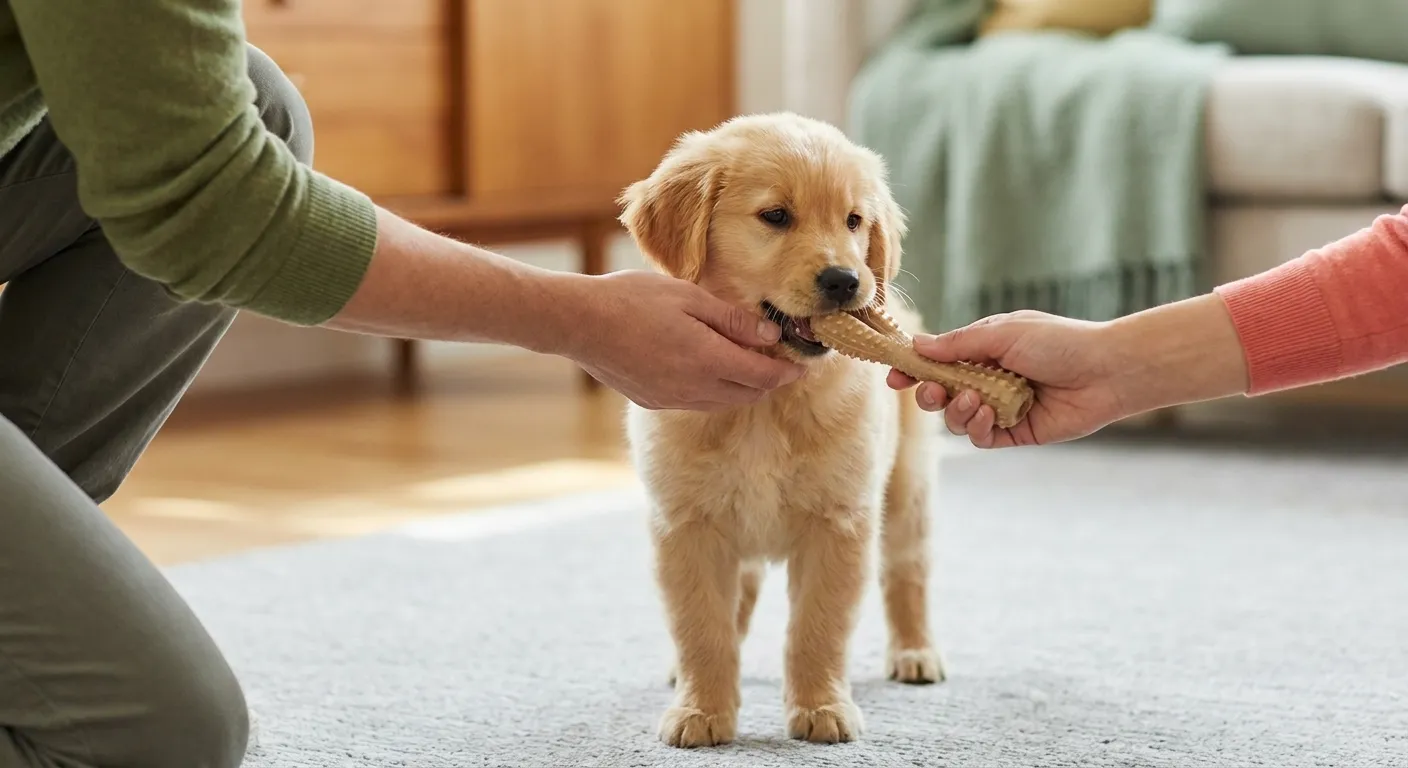
This is perhaps the most important tool in your arsenal when you want to curtail puppy nipping. Always have a variety of appropriate chew toys readily available. When your puppy starts to mouth you, act quickly. Redirection teaches them what they can chew on instead of your hands or clothing.
- Interrupt and Offer: Gently interrupt the biting (with the yelp, if needed) and immediately offer a high-value chew toy. Make the toy enticing by wiggling it or praising your puppy when they take it. Praise them enthusiastically when they chew on the toy instead of you.
- Variety is Key: Puppies have preferences! Offer different textures, shapes, and sizes of toys. Some puppies love soft plush toys, others prefer rubbery chew toys, and some enjoy hard nylon bones. Experiment to find what your puppy enjoys most.
- Rotate Toys: Keep a selection of toys in rotation to maintain novelty and interest. When toys are new and exciting, your puppy is more likely to choose them over your fingers. This is a simple yet effective strategy.
Providing plenty of appropriate outlets for chewing is crucial. This helps satisfy their natural urge to chew, especially during teething. For more ideas on engaging your puppy, consider exploring budget-friendly puppy enrichment: DIY toys & activities.
3. Manage Playtime and Energy Levels
An overtired or overstimulated puppy is often a mouthy puppy. Managing their energy levels effectively can significantly reduce nipping. This is a common mistake new owners make. They often think their puppy needs constant stimulation. However, puppies need a lot of rest.
- Scheduled Naps: Puppies need a lot of sleep, often 18-20 hours a day. Ensure your puppy has a quiet, comfortable place for scheduled naps. An overtired puppy is more likely to be nippy and less responsive to training.
- Appropriate Exercise: Provide regular, appropriate exercise for your puppy’s age and breed. This helps burn off excess energy. However, avoid over-exercising young puppies, as it can be detrimental to their developing joints. Short, frequent play sessions are better than one long, intense one.
- Mental Stimulation: Mental exercise can be just as tiring as physical exercise. Puzzle toys, training sessions, and scent games can help tire your puppy out in a positive way. This can also help to stop puppy biting effectively by redirecting their energy.
- Short Play Sessions: Keep play sessions short and sweet, especially interactive ones. End the session before your puppy gets over-aroused and starts nipping excessively. This teaches them to regulate their excitement.
By proactively managing your puppy’s energy, you can create a calmer environment. This, in turn, reduces the likelihood of unwanted nipping. Understanding their needs helps you prevent problems before they start.
4. Consistent Training and Boundaries
Consistency is the cornerstone of all effective puppy training. Everyone in the household needs to be on the same page. This means using the same methods and having the same expectations. If one person allows nipping and another doesn’t, your puppy will become confused. This confusion can hinder their learning process.

