
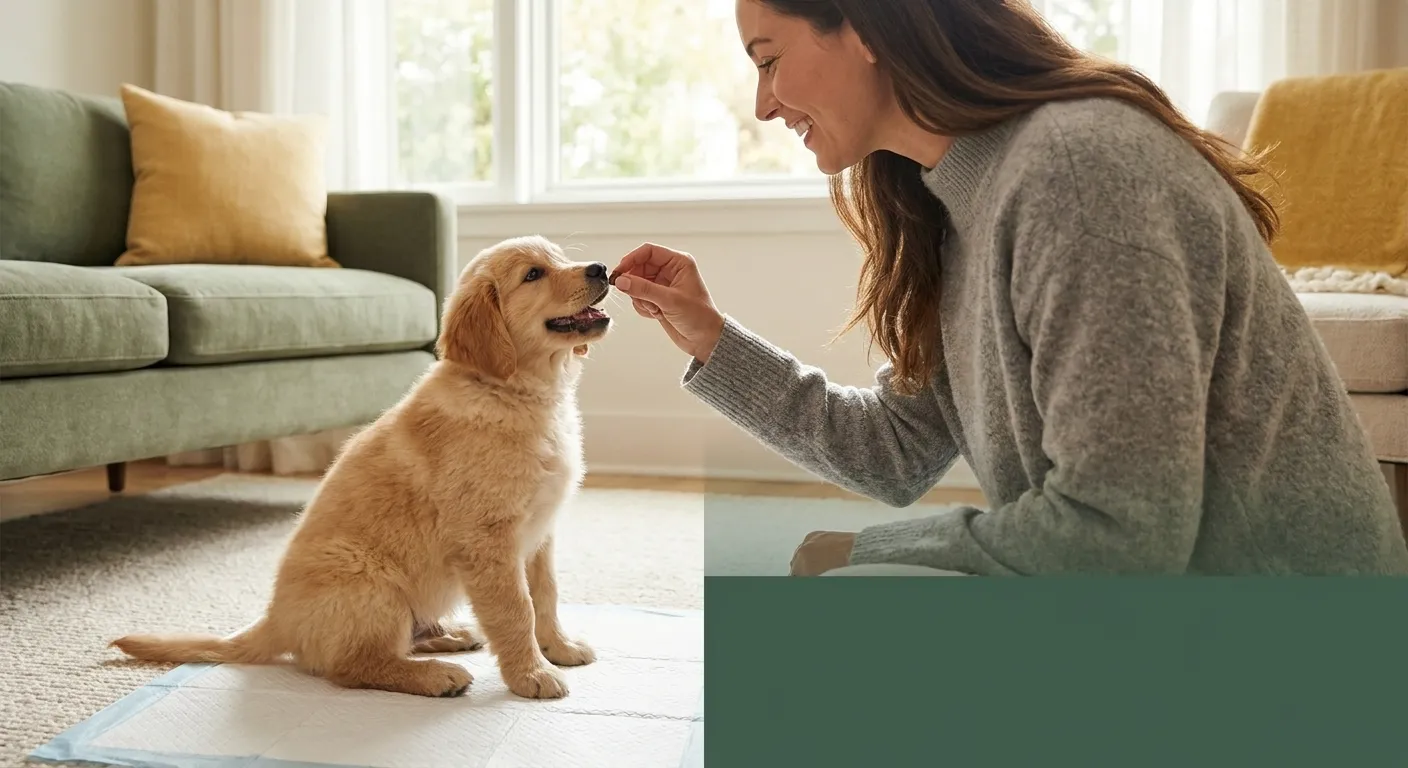
Bringing a new puppy home is incredibly exciting, but the thought of accidents can feel overwhelming. Indeed, achieving puppy potty training success doesn’t have to be a stressful ordeal for you or your little one. With patience, consistency, and positive reinforcement, you can gently guide your puppy to understand where and when to relieve themselves. This builds a strong foundation of trust and good habits right from the start. This guide is specifically designed to make the process clear and manageable, even for the busiest new pet parent.
Establishing a Predictable Routine for Puppy Potty Training Success
Consistency is truly your best friend when it comes to effective potty training. Puppies thrive on routine, and a predictable schedule helps them learn quickly. Therefore, taking your puppy out frequently is crucial. Always go first thing in the morning, last thing at night, after waking from naps, after playing, and after eating or drinking. Designate a specific spot in your yard for potty breaks. Always go to this exact spot and wait patiently. Once they go, praise them enthusiastically and offer a small, high-value treat. Avoid punishing accidents indoors; instead, clean them thoroughly with an enzymatic cleaner. This removes odors that might attract your puppy back to the same spot. For more detailed guidance, consider our article on Creating a Puppy Potty Training Schedule for Success.
Making the Crate Your Puppy’s Potty-Free Zone
The crate can be an incredibly useful tool for successful house-training. Dogs naturally want to keep their sleeping area clean. Consequently, a properly sized crate (just big enough for them to stand up, turn around, and lie down comfortably) discourages them from having accidents inside. Introduce the crate positively with treats and toys. When you can’t actively supervise your puppy, the crate provides a safe, contained space. Remember, a crate is not for punishment. Also, a puppy shouldn’t be left in it for too long, especially young puppies who can’t hold their bladder for extended periods. Combine crate time with frequent outdoor trips, and you will certainly see progress. The Humane Society offers further insights into humane crate training practices.
Understanding Your Puppy’s Potty Signals
Learning your puppy’s unique cues is an essential part of preventing accidents. Before they relieve themselves, puppies often give subtle signs. For example, they might start sniffing the ground intently, circling, whining, or heading towards a door. As a new owner, becoming attuned to these signals can help you intervene proactively. The moment you notice these behaviors, calmly and promptly take your puppy to their designated potty spot. This teaches them to associate those feelings with going outside. It also reinforces the idea that outside is the proper place. Ultimately, this understanding contributes significantly to overall house-training success.
Positive Reinforcement: The Key to Happy Learning
Positive reinforcement is the most effective and kindest way to teach your puppy. Every time your puppy potties in the right place, celebrate their achievement! Use happy vocalizations, gentle petting, and a tasty treat. This immediate reward helps your puppy connect the act of going potty outside with something positive. Conversely, never scold or punish your puppy for accidents. This can create fear and anxiety, making them hide their accidents or even become afraid to potty in front of you. Instead, clean up calmly and resolve to be more vigilant next time. This gentle approach fosters a strong, trusting bond. Moreover, it makes the entire house-training process a much more pleasant experience for both of you. You might find our article on Build Confident Puppy Manners helpful in understanding positive training.
Dealing with Potty Training Setbacks
It’s important to acknowledge that setbacks are a normal part of the learning process. Even with the best intentions and consistent effort, accidents will happen. Don’t get discouraged! If your puppy starts having more accidents than usual, consider if there have been any changes in their routine, diet, or health. Sometimes a urinary tract infection can cause a sudden increase in accidents. Therefore, a vet visit might be warranted if you suspect a health issue. Otherwise, simply return to basics: increase supervision, shorten crate times if needed, and increase the frequency of outdoor potty breaks. Remember, every puppy learns at their own pace. Your patience and understanding are paramount during these times. Furthermore, staying calm helps your puppy stay calm.
The Role of Diet and Water in Potty Training
What your puppy eats and drinks directly impacts their potty schedule. High-quality puppy food leads to more predictable bowel movements. Avoid frequent changes in diet, as this can upset their stomach and lead to unpredictable potty times. Similarly, while it’s important for your puppy to have access to fresh water throughout the day, especially after play, consider limiting water intake about an hour or two before bedtime. This can help reduce the need for nighttime potty breaks. However, always ensure your puppy is well-hydrated during the day. Keeping a consistent feeding schedule also helps regulate their body, making it easier for you to predict when they will need to go out. This consistency is a cornerstone of puppy potty training success.
Nighttime Potty Training Strategies
Nighttime can be a particular challenge for new puppy owners. Young puppies have small bladders and simply cannot hold it all night. To help them succeed, establish a consistent bedtime routine. Take your puppy out for a final potty break right before you go to bed. Use a properly sized crate next to your bed so you can hear them if they stir or whine during the night. Many puppies will signal when they need to go out. If they do, take them out immediately, quietly, and with minimal fuss. Don’t make it a playtime; just a quick potty break. Return them to their crate afterward. As they get older, they will gradually be able to hold it for longer periods. This approach helps ensure puppy potty training success even through the night.
Long-Term Potty Habits and Socialization
Once your puppy has mastered the basics of house-training, continue to reinforce good habits. While the intense phase of potty training will pass, maintaining a routine, even if less frequent, is beneficial. As your puppy grows, you’ll also want to introduce them to various environments. This helps them understand that going potty outside is universal, not just limited to your yard. For instance, when you take them to a friend’s house or a park, encourage them to potty there. This is part of broader Introducing Your Puppy to New People and Places Safely. A well-socialized puppy who is comfortable in different settings will be more confident in their potty habits wherever you go. Therefore, consistent practice and varied experiences solidify their learning.
When to Seek Professional Help
While this guide offers comprehensive advice for achieving puppy potty training success, some puppies may face unique challenges. If you’ve diligently followed these steps and your puppy is still struggling significantly with house-training, it might be time to consult a professional. A veterinarian can rule out any underlying medical conditions. Similarly, a certified professional dog trainer or behaviorist can offer personalized strategies tailored to your puppy’s specific needs and temperament. They can identify any behavioral issues that might be hindering progress. Remember, seeking help is a sign of a responsible pet owner, not a failure. It simply means you’re committed to providing the best possible support for your furry friend. The ASPCA provides additional resources on addressing house soiling.
Potty training might indeed have its ups and downs, but remember to stay positive and patient. Every accident is a learning opportunity, not a failure. By providing clear guidance, consistent routines, and lots of encouragement, you will soon celebrate many puppy potty training success moments with your well-adjusted companion. Your dedication now lays the groundwork for a happy, healthy life together. Trust the process, and enjoy watching your puppy learn and grow into a confident, well-mannered member of your family. This journey, while challenging at times, is incredibly rewarding. Ultimately, a well house-trained puppy brings immense joy and fewer worries to your home.
Frequently Asked Questions About Puppy Potty Training
How long does it typically take to house-train a puppy?
The time it takes varies greatly depending on the puppy’s age, breed, and your consistency. Generally, most puppies can be reliably house-trained between 4 to 6 months of age, but some may take longer. Patience is key, and celebrating small wins helps a lot.
What should I do if my puppy has an accident indoors?
If you catch your puppy in the act, gently interrupt them with a clap or a vocal cue, then immediately take them outside to their designated spot. If you find an accident after the fact, simply clean it up thoroughly with an enzymatic cleaner. Never scold or punish them, as they won’t understand why and it can cause fear.
Can I use puppy pads for house-training?
Puppy pads can be a tool, especially for puppies in apartments or during initial stages. However, they can also confuse some puppies, making them think it’s okay to potty indoors. If you use them, aim to transition to outdoor-only potty breaks as soon as possible.
How often should a young puppy go out for potty breaks?
Very young puppies (under 12 weeks) typically need to go out every 1-2 hours. As they get older, they can hold it for longer. Always take them out after waking, playing, eating, and before bedtime. Consistency helps prevent accidents.
My puppy seems to forget their training sometimes. Is this normal?
Yes, occasional regressions are normal, especially during developmental stages or if there’s a change in routine. Revisit your basic training steps, increase supervision, and reinforce positive habits. It’s often a temporary phase.

