
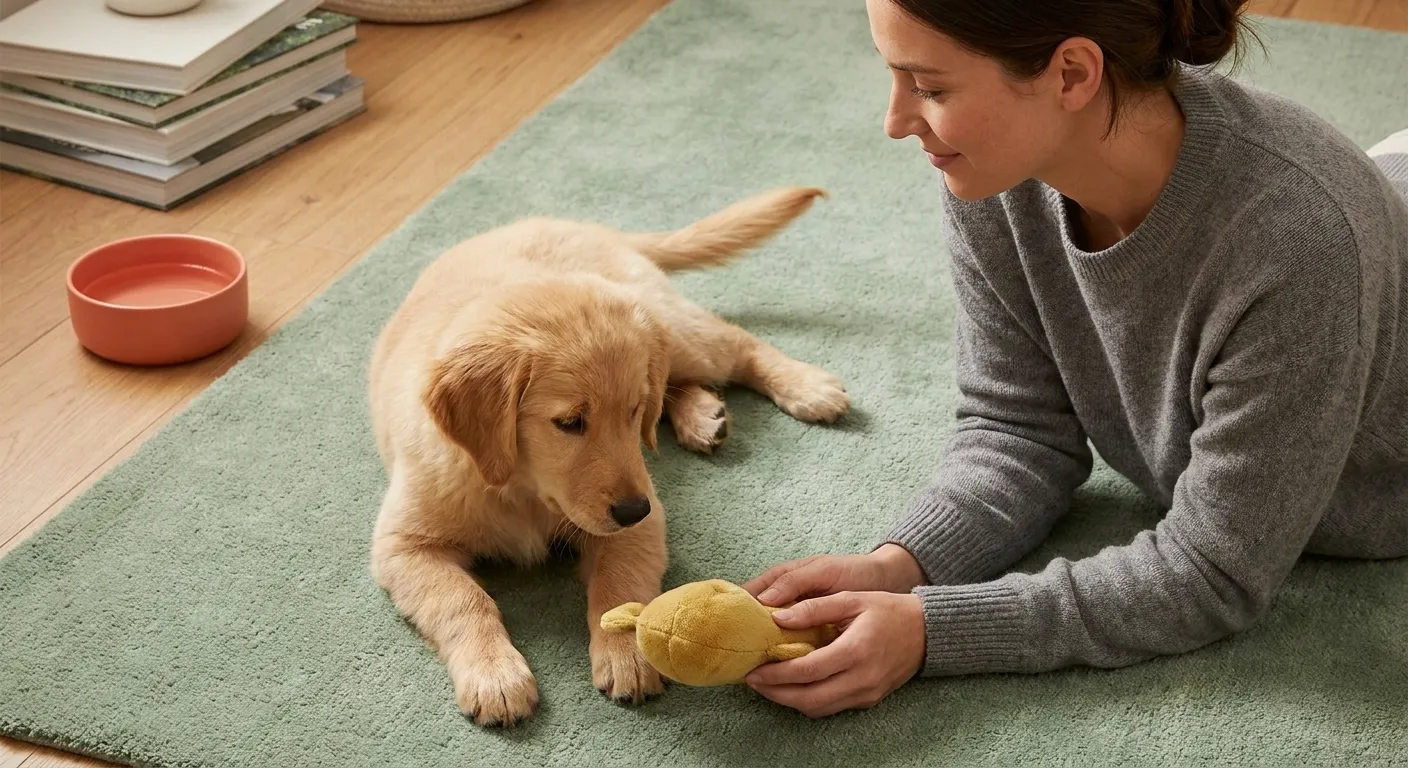
Understanding your puppy’s subtle cues is a superpower for new owners, helping you build a deeper bond and prevent misunderstandings. Learning a puppy body language guide helps you interpret their tail wags, ear positions, and even tiny lip licks, giving you insight into their feelings. This knowledge is especially valuable for busy professionals and first-time pet parents who want to ensure their puppy feels safe, understood, and confident in their new home. Let’s explore the common signals your puppy sends.
The Essential Puppy Body Language Guide: What Your Pup is Telling You
Bringing a new puppy home is incredibly exciting, but it can also feel a little overwhelming. Suddenly, you’re responsible for a tiny creature who can’t speak your language! However, your puppy is constantly communicating with you through their body. Consequently, learning to read these signals is one of the most rewarding parts of puppy parenthood. It’s like gaining a secret window into their world, allowing you to respond to their needs and build a foundation of trust and understanding.
Many new owners, particularly those who are budget-conscious or juggling busy schedules, might feel lost amidst conflicting advice. Rest assured, deciphering your puppy’s communication doesn’t require expensive training courses. Instead, it’s about mindful observation and patience. By paying close attention to their posture, facial expressions, and movements, you’ll soon become fluent in their unique language. This will not only strengthen your bond but also help prevent common behavioral issues before they even begin. Furthermore, understanding what your puppy is trying to convey will empower you to create a nurturing environment where they feel truly safe and loved.
Key Signals in Your Puppy Body Language Guide
Every wag, twitch, and glance holds meaning. Recognizing these common signals is the first step in becoming an expert in your puppy’s communication. Indeed, a comprehensive puppy body language guide focuses on a holistic view of your pup’s entire body, not just one part.
- Relaxed & Happy: A relaxed puppy often has a soft gaze, ears in a natural position, a loosely wagging tail, and a relaxed mouth. They might offer a ‘play bow’ (front end down, rear end up) when they want to initiate play. This is a puppy feeling safe and content. Their muscles will seem soft, not tense.
- Curious & Engaged: Ears might be slightly forward, tail held mid-level with a gentle wag, and eyes focused on an object or person. This indicates they are interested and ready to explore or interact. This is a great state for learning and positive new experiences. You’ll often see them sniffing around, eager to investigate their surroundings.
- Stressed & Anxious: Look for subtle signs like lip licking (when no food is present), yawning (when not tired), averted gaze, ears pinned back, or a tail tucked low. They might also shake off as if wet, or suddenly become very still. These are often early indicators that your puppy is uncomfortable and needs space or a change in environment. A stressed puppy isn’t learning effectively. Sometimes, they might even try to hide.
- Overwhelmed or Fearful: More pronounced signs include cowering, trembling, tail tucked firmly, trying to hide, or even a low growl. This is a clear signal that your puppy is past their comfort zone and needs gentle removal from the situation. It’s crucial to respond with calm reassurance rather than pushing them further. In such situations, their body might appear stiff or hunched.
Beyond the Basics: Deeper Insights into Puppy Communication
While the basic signals are a fantastic starting point, a truly effective puppy body language guide encourages you to look deeper. For instance, consider the context of the situation. A yawn might simply mean your puppy is tired, but a series of yawns during a new introduction could indicate stress. Similarly, a tail wag isn’t always a sign of happiness; a stiff, fast wag held high can sometimes signal arousal or even agitation.
Observing your puppy’s eyes is also incredibly revealing. Soft, blinking eyes often suggest contentment, whereas wide, staring eyes can be a sign of fear or aggression. Furthermore, paying attention to their mouth can tell you a lot. A relaxed, slightly open mouth often signifies happiness, while a tightly closed mouth or visible tension around the muzzle can point to stress or discomfort. Remember, your puppy is always communicating, even in the quietest moments.
Understanding these nuances helps you foster a deeper connection. For example, if your puppy is showing signs of anxiety around new people, you might want to review strategies for Introducing Your Puppy to New People and Places Safely to ensure positive experiences. Moreover, recognizing early signs of discomfort can prevent escalation into more challenging behaviors, making both your lives much smoother.
The Role of Ears, Tail, and Posture in a Puppy Body Language Guide
Let’s break down some of the most expressive parts of your puppy’s anatomy in more detail. Each element plays a vital role in their overall communication. Therefore, understanding these components will significantly enhance your ability to interpret their messages.
- Ears: Your puppy’s ears are like little antennae, constantly adjusting to gather information and express feelings.
- Forward and Alert: Indicates interest, curiosity, or readiness to engage. They are focused on something.
- Pinned Back/Flat: Often a sign of fear, anxiety, or submission. They might be trying to make themselves seem smaller.
- Relaxed/Natural: When they are neither forward nor back, usually means contentment or a neutral state. This is a happy, calm puppy.
- Tail: The tail is often the most noticeable communicator, but its position and movement are key.
- High and Stiff: Can indicate arousal, confidence, or even a challenge. It’s not always a happy wag.
- Mid-level, Loose Wag: The classic happy, friendly greeting. This is a truly joyful wag.
- Tucked Low or Between Legs: A clear sign of fear, submission, or extreme anxiety. Your puppy is feeling very vulnerable.
- Slow Wag: Can sometimes indicate uncertainty or a need to assess the situation.
- Posture and Overall Body Tension: The way your puppy holds their entire body speaks volumes.
- Loose and Wavy: A relaxed puppy will have a soft, fluid movement. Their muscles won’t be tense.
- Stiff and Still: Often a sign of fear, discomfort, or an attempt to appear non-threatening. They might be trying to assess a threat.
- Cowering or Crouching: Indicates fear or a desire to hide. They are feeling overwhelmed.
- Play Bow: Front legs down, rear end up, often with a wagging tail. This is an invitation to play, a clear signal that their intentions are friendly.
By observing these elements together, you get a much clearer picture of your puppy’s emotional state. This comprehensive approach is central to any good puppy body language guide.
When Your Puppy is Stressed: Recognizing and Responding
It’s natural for puppies to experience stress, especially when navigating new environments or situations. For example, a visit to the vet or an encounter with an unfamiliar dog can trigger anxiety. The important thing is to recognize these signs early and respond empathetically. Ignoring stress signals can lead to a puppy feeling misunderstood, and potentially developing behavioral issues.
When you notice signs of stress, such as excessive yawning, lip licking, panting (when not hot), or a tucked tail, it’s your cue to intervene gently. Sometimes, simply removing your puppy from the stressful situation is enough. Offer a calm, quiet space where they can decompress. Avoid forcing interactions or pushing them beyond their comfort zone. Instead, focus on building their confidence through positive experiences. If your puppy is exhibiting signs of fear, you might find valuable insights in our article on Overcoming Puppy Fear: Building Confidence in Shy Pups.
Moreover, understanding these stress signals is crucial during their Understanding Puppy’s Critical Socialization Period. During this time, positive experiences are paramount. If you see signs of stress during a socialization outing, it means you’ve gone too far, too fast. Remember, the goal is positive exposure, not overwhelming them. Always keep interactions short, positive, and within your puppy’s comfort zone.
Building Trust Through Understanding Your Puppy’s Communication
At Puppy Socialization, we believe that understanding your puppy’s communication is the cornerstone of a strong, trusting relationship. When you consistently respond to your puppy’s cues, you teach them that their feelings matter and that you are a reliable source of comfort and safety. This fosters confidence and reduces anxiety, leading to a happier, well-adjusted companion.
Imagine how much more confident your puppy will feel knowing that you understand their subtle requests for space or their enthusiastic invitations to play. This mutual understanding prevents frustration on both sides and strengthens your bond immeasurably. A reliable puppy body language guide not only helps you understand your pup but also empowers you to be the best pet parent you can be.
As you become more attuned to their expressions, you’ll find yourself anticipating their needs and responding proactively. This proactive approach is far more effective than reacting to unwanted behaviors after they’ve already occurred. Consequently, you’ll create a harmonious home environment where your puppy feels truly understood and cherished. For more detailed information, consider resources like the ASPCA’s guide to common dog behaviors or even the AKC’s insights on dog body language.
Learning your puppy’s communication style is an ongoing journey. By paying attention to this puppy body language guide, you’re not just reacting to behaviors; you’re proactively building a relationship based on mutual understanding and trust. This empowers you to create a nurturing environment where your puppy can truly thrive. It’s a joyful process of discovery, and every signal you decode brings you closer to your beloved companion.
Conclusion: Your Journey to a Deeper Bond with Your Puppy
Decoding your puppy’s body language is truly a rewarding experience. It transforms the way you interact, moving from guesswork to confident understanding. We’ve explored the key signals—from happy wags and curious ears to subtle signs of stress and fear. Moreover, we’ve emphasized the importance of context and looking at the whole picture when interpreting your puppy’s messages. Remember, every little twitch, glance, and posture holds meaning, offering you a direct line to your puppy’s inner world.
As busy professionals or first-time pet parents, you might feel stretched thin, but the time invested in learning this puppy body language guide will pay dividends in a lifetime of companionship. It’s an affordable, actionable way to ensure your puppy feels safe, understood, and confident. By being observant, patient, and empathetic, you are laying the groundwork for a truly extraordinary relationship. Continue to observe, learn, and grow with your puppy, and you’ll discover a bond stronger than you ever imagined.
FAQ: Understanding Your Puppy’s Cues
What are the most common signs of a happy puppy?
A happy puppy often shows relaxed body posture, a soft gaze, ears in a natural position, and a loose, mid-level tail wag. They might also offer a ‘play bow’ to invite interaction. A relaxed puppy will appear soft and fluid in their movements.
How can I tell if my puppy is stressed or anxious?
Look for subtle indicators like lip licking (when no food is present), yawning (when not tired), averted gaze, ears flattened back, or a tail tucked low. They might also shake off as if wet or become very still. These are crucial signals from your puppy’s communication.
Is a wagging tail always a sign of happiness?
Not always. While a loose, mid-level wag often indicates happiness, a tail held high and stiff with a fast wag can sometimes signal arousal, confidence, or even agitation. Always consider the entire dog’s body language, not just the tail, to fully understand their message.
What should I do if my puppy shows signs of fear?
If your puppy is fearful (cowering, trembling, tucked tail, trying to hide), gently remove them from the stressful situation. Provide a calm, quiet space and avoid forcing interactions. Respond with calm reassurance and work on building their confidence through positive, controlled experiences. This is an important part of understanding their signals.
How does observing my puppy’s body language help with training?
Observing your pup’s non-verbal communication helps you understand their emotional state during training. If they’re stressed, they won’t learn effectively. Recognizing signs of engagement or discomfort allows you to adjust your approach, ensuring training sessions are positive and productive. This knowledge is invaluable for successful puppy training and building a strong bond.

