
It’s tough leaving your adorable puppy home alone, and for many new owners, the fear of puppy separation anxiety help is a real concern. While some alone-time training is essential, true separation anxiety is more than just missing you; it’s a genuine distress. Understanding the difference and proactively building your puppy’s confidence when you’re away can prevent destructive behaviors and emotional distress. This guide offers clear, actionable steps to help your puppy feel secure and calm, even when you’re not right by their side.
Understanding Puppy Separation Anxiety Help
Normal puppy behavior includes vocalizing for a few minutes after you leave or being very excited upon your return. True separation anxiety, however, involves intense distress when left alone. This can manifest as excessive barking, howling, destructive chewing (especially around exits), inappropriate urination or defecation, or frantic attempts to escape. This isn’t your puppy being naughty; instead, it’s a panic response. Furthermore, recognizing these signs early is crucial for providing effective intervention.
Many new puppy owners feel overwhelmed when faced with these behaviors. It’s easy to mistake a puppy’s protest for naughtiness, but understanding the root cause – genuine fear and distress – changes how we respond. For instance, a puppy might chew on doorways or window sills not out of mischief, but in a desperate attempt to reunite with their human family. This distinction is vital for successful training.
Setting the Stage for Success: Early Habits
Building a strong foundation for your puppy’s independence starts from day one. In fact, small, consistent efforts can make a huge difference in preventing separation-related issues. Initially, focus on making alone time a positive experience rather than a punishment. This positive association is key to fostering a sense of security.
Creating a Safe and Cozy Den
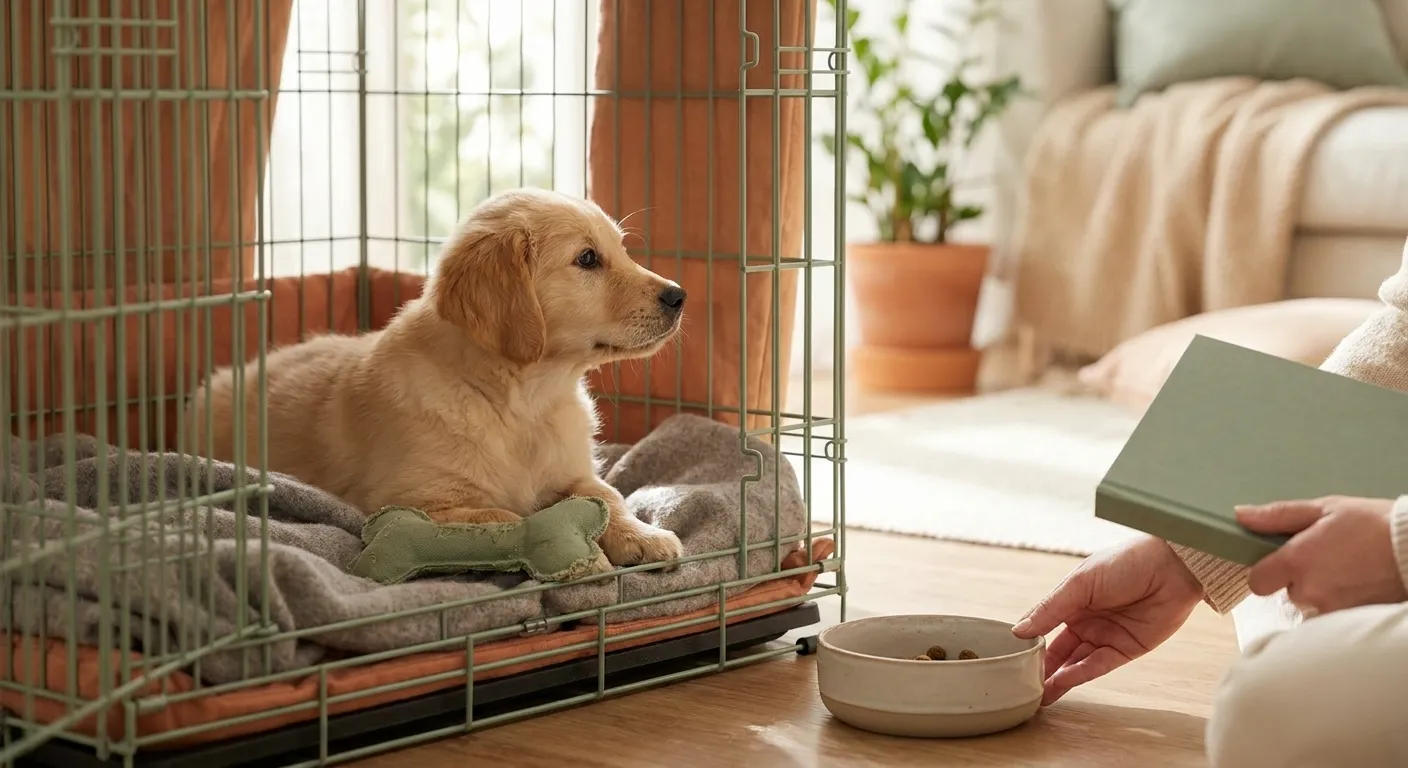
Your puppy’s crate or designated safe space should be their sanctuary, not a place of isolation. Introduce the crate gradually, making it inviting with comfortable bedding, a favorite toy, and tasty treats. For example, feeding meals inside the crate can create a positive association. A cozy den provides a sense of security when you’re not around. Moreover, a consistent routine helps your puppy understand what to expect.
Practicing Short Absences
Start small. Initially, leave your puppy alone for just a few minutes, perhaps while you step into another room or go to the mailbox. Gradually increase the duration as your puppy shows comfort. This incremental approach is far more effective than sudden, long absences. Remember, the goal is to prevent distress, not to test their limits. Consequently, always return before your puppy becomes anxious.
The Power of Calm Departures and Arrivals
When you leave, try to make your departure as uneventful as possible. Avoid lengthy goodbyes or dramatic farewells, as these can heighten your puppy’s anxiety. Similarly, when you return, greet your puppy calmly. Wait a few minutes until they are settled before engaging in enthusiastic play or cuddles. This teaches them that your comings and goings are normal parts of life, not major events. For more on building independence, consider our guide on Confidently Nurture Puppy Independence: A How-To Guide for Busy Owners.
Enrichment: Making Alone Time Enjoyable
A bored puppy is more likely to become a distressed puppy. Providing appropriate mental and physical stimulation is a cornerstone of effective puppy separation anxiety help. When your puppy is engaged and happy, they are less likely to focus on your absence.
Interactive Toys and Chews
Offer puzzle toys stuffed with treats, long-lasting chews, or KONGs filled with frozen peanut butter or yogurt. These can keep your puppy occupied for extended periods. For instance, a frozen KONG can last for 30 minutes or more, providing a positive distraction. Ensure the toys are safe and appropriate for your puppy’s age and chewing style. Furthermore, rotating toys can keep things interesting.
Mental Stimulation Before You Leave
A tired puppy is a good puppy! Before you leave, engage your puppy in a brisk walk, a training session, or a game of fetch. This helps expend their energy and encourages them to settle down for a nap while you’re away. Just like humans, puppies benefit from a routine that includes both activity and rest. You might find our tips on Budget-Friendly Puppy Enrichment: DIY Toys & Activities helpful for new ideas.
Background Noise
Some puppies find comfort in background noise, such as a radio playing soft music or a TV show. This can help mask outside noises that might startle them and provide a sense of presence. Experiment to see what your puppy responds to best; however, avoid anything too stimulating or loud. Moreover, a white noise machine can also be beneficial.
Addressing Specific Behaviors: Puppy Separation Anxiety Help Strategies
If your puppy is already showing signs of distress, it’s essential to address these behaviors with patience and consistency. Remember, punishment is never the answer for anxiety; rather, it often exacerbates the problem. Our goal is to gently guide them towards confidence.
Managing Destructive Chewing
If your puppy chews destructively when left alone, it’s a clear sign of distress, not defiance. Ensure they have plenty of appropriate chew toys available. You might also try spraying a bitter-tasting deterrent on objects you don’t want them to chew, though this is a temporary solution. The real answer lies in building their confidence. For more targeted strategies, see our guide on Nip It in the Bud: Evidence-Based Solutions for Puppy Chewing Problems.
Potty Accidents When Alone
Potty accidents that only occur when you’re away are often linked to anxiety, not a lack of potty training. First, rule out any underlying medical conditions with your vet. Then, revisit your potty training schedule to ensure consistency when you are home. For instance, make sure your puppy has ample opportunities to relieve themselves right before you leave. Our article on Creating a Puppy Potty Training Schedule for Success can provide further guidance.
Excessive Barking and Howling
Constant vocalization when alone is a classic sign of separation distress. While it’s tempting to rush back in, this can inadvertently reinforce the behavior. Instead, try to address the underlying anxiety through gradual desensitization and counter-conditioning. Provide a safe, quiet space, and ensure they have comforting items. Sometimes, even leaving a piece of your unwashed clothing can offer comfort through scent.
Advanced Strategies and When to Seek Professional Puppy Separation Anxiety Help
For some puppies, basic training and enrichment may not be enough. If your puppy’s anxiety is severe or persistent, it’s important to consider more advanced strategies or professional assistance. You’re not alone in this journey, and there are resources available.
Desensitization and Counter-Conditioning
This involves gradually exposing your puppy to the cues of your departure without actually leaving, and pairing these cues with positive experiences. For example, pick up your keys, jingle them, and then sit back down and give your puppy a treat. Repeat this many times, slowly building up to opening the door, stepping out for a second, and then returning. This process teaches your puppy that these cues don’t always mean you’re leaving for good. Consequently, their anxiety around these actions can decrease over time.
Considering a Professional
If you’ve tried various methods and your puppy’s distress remains severe, consulting a certified professional dog trainer or a veterinary behaviorist is highly recommended. These experts can assess your puppy’s specific situation and develop a tailored plan. They might suggest specific training protocols, environmental modifications, or even discuss medication in severe cases. For instance, the ASPCA offers valuable resources on separation anxiety. You can also find certified professionals through organizations like the Certification Council for Professional Dog Trainers.
The Role of Naps in Puppy Development
It might seem unrelated, but ensuring your puppy gets enough quality sleep can significantly impact their emotional regulation and ability to cope with alone time. Just like human babies, puppies need plenty of naps for healthy brain development and to process their experiences. A well-rested puppy is generally a calmer, more resilient puppy. Therefore, integrating structured nap times into your routine can be an indirect but powerful form of puppy separation anxiety help. Our article, The Unsung Hero: Understanding Puppy Naps for Healthy Growth, provides more insights.
Patience and Consistency: Your Best Tools
Helping a puppy overcome separation anxiety is a journey, not a sprint. There will be good days and challenging days. Your patience, understanding, and consistent application of these strategies are the most powerful tools you have. Celebrate small victories and don’t get discouraged by setbacks. Every step forward, no matter how small, is progress.
Remember, your puppy isn’t trying to be difficult; they are expressing genuine distress. With an empathetic approach and consistent training, you can help your puppy build the confidence they need to feel secure and calm, even when you’re not by their side. Providing effective puppy separation anxiety help means fostering a sense of security and trust, reinforcing the bond you share. Ultimately, a confident puppy leads to a happy home for everyone.
FAQ
What are the common signs of a puppy struggling with being left alone?
Puppies experiencing distress when left alone might exhibit excessive barking or howling, destructive chewing (especially around exits), inappropriate urination or defecation, or frantic attempts to escape their crate or designated area. These behaviors go beyond simple boredom or missing you; they indicate genuine anxiety.
How can I make my puppy feel more comfortable when I’m not home?
You can help by creating a safe, cozy den (like a crate), providing engaging puzzle toys and long-lasting chews, and ensuring they get plenty of exercise and mental stimulation before you leave. Calm departures and arrivals also signal that your absence is not a big event, which can reduce their unease.
Is it normal for a puppy to cry a little when first left alone?
Yes, it’s quite normal for a puppy to vocalize for a few minutes after you leave or to be very excited upon your return. This is typically a sign of missing you or expressing excitement. However, if the crying is prolonged, intense, or accompanied by other distress signals, it might indicate a deeper issue needing intervention.
Can specific toys help with a puppy’s fear of being alone?
Absolutely! Interactive puzzle toys that dispense treats, KONGs filled with frozen delights, or durable chew toys can provide valuable mental and physical distraction. These items help keep your puppy engaged and can create positive associations with alone time, making them feel less focused on your absence.
When should I seek professional guidance for my puppy’s distress when alone?
If you’ve consistently applied training strategies and your puppy’s distress remains severe, or if the behaviors are escalating, it’s a good idea to consult a certified professional dog trainer or a veterinary behaviorist. They can offer personalized strategies, and in some cases, medical intervention might be considered to support your puppy.

