
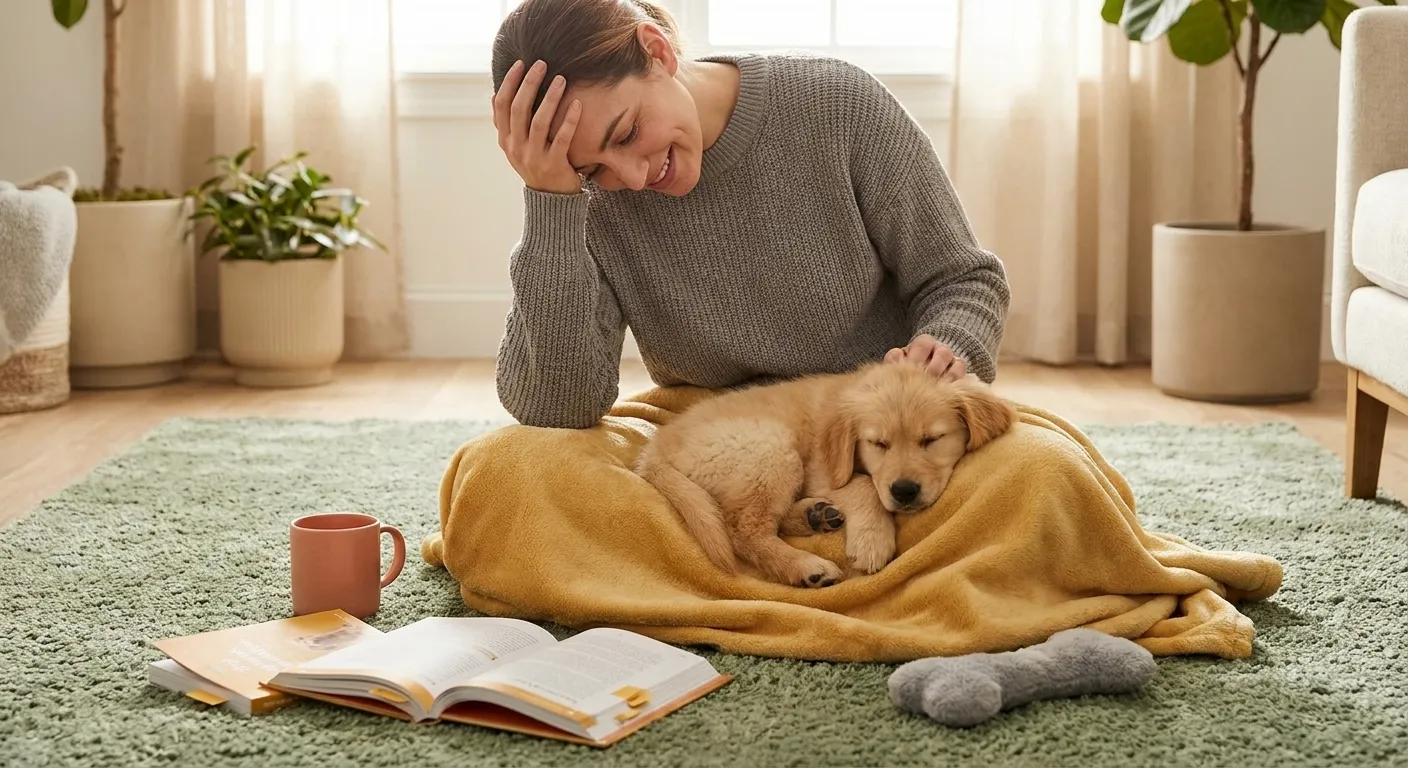
Bringing a new puppy home is an exhilarating experience, filled with adorable cuddles and boundless joy. Yet, for many new owners, especially first-timers like Sarah, the marketing coordinator in her small apartment, the reality can quickly morph into the unexpected challenge of the “puppy blues.” This feeling of overwhelm, stress, and sleepless nights is incredibly common – and a sign you’re taking your new responsibilities seriously. Don’t worry, you’re not alone, and this first time puppy owner guide is here to light your way.
Understanding the ‘Puppy Blues’: You’re Not Alone
As the pet care market continues its significant growth, with pets viewed increasingly as cherished family members, the emotional investment in a new puppy is high. This often leads to feelings of inadequacy or exhaustion when things don’t go perfectly. New puppy owners frequently report stress over chewed items, unexpected demands, and the sheer time commitment. It’s crucial to acknowledge these feelings are normal. Our goal at Puppy Socialization is to provide clear, actionable, and affordable guidance so you can confidently raise a well-adjusted puppy without feeling overwhelmed or financially strained.
Setting Up Your Puppy’s Sanctuary: Home Sweet Home
Before your puppy even sets a paw inside, creating a secure and comfortable environment is paramount. This isn’t just about aesthetics; it’s about safety and predictability, which are crucial for a puppy’s confidence. Designate a specific puppy-proofed area, perhaps with a baby gate, where your puppy can explore safely. A comfortable crate, introduced positively, can become their personal den – a place of security and calm. Ensure all potential hazards, from toxic plants to electrical cords, are out of reach. Think of this as their safe haven, reducing anxiety for both of you.
Establishing Predictable Routines for Confidence
Consistency is the cornerstone of successful puppy raising. Puppies thrive on predictability, which helps them feel secure and understand expectations. Establishing clear routines for feeding, potty breaks, playtime, and sleep from day one will significantly reduce confusion and accelerate training. For busy professionals, integrating micro-training sessions of 5-10 minutes into daily routines, like practicing ‘sit’ before meals, is incredibly effective. A consistent schedule is crucial for successful potty and crate training, making life easier for everyone.
Potty Training Success
Frequent, scheduled potty breaks are essential. Take your puppy out first thing in the morning, after waking from naps, after playing, after eating, and before bedtime. Reward immediately with praise and a high-value treat when they go outside. This positive reinforcement builds a strong association. For more detailed guidance, consider our comprehensive resource on Puppy Potty Training Success: A Gentle Guide for Stress-Free Learning.
Crate Training: A Den, Not a Dungeon
Introduce the crate slowly and positively. Feed meals inside, offer toys, and make it a pleasant space. Never use the crate as punishment; instead, it should be a safe, comfortable retreat. Consequently, your puppy will learn to love their personal space. Many puppy owners find that a well-introduced crate greatly aids in house training and provides a secure place for their puppy to rest.
Early Socialization: A Foundation for a Happy Life
Socialization is perhaps one of the most vital aspects of early puppy development. It’s about exposing your puppy to a wide variety of sights, sounds, people, and other friendly animals in a positive, controlled manner during their critical developmental period. This helps them grow into confident, well-adjusted adults, less prone to fear or aggression. Furthermore, proper socialization can prevent many behavioral issues down the road. This first time puppy owner guide emphasizes its importance.
Positive Experiences are Key
Remember, quality over quantity is important. A few positive interactions are far better than many overwhelming ones. For example, introduce your puppy to different types of people – children, adults, people with hats, people with glasses – always ensuring the experience is gentle and rewarding. Similarly, expose them to various environments like parks (after vaccinations), different floor textures, and common household noises. You can learn more about the profound impact of early exposure by reading about The Long Term Puppy Benefits of Early Socialization: A Lifelong Gift.
Gentle Training Techniques: Building a Bond
Training your puppy should always be a positive and rewarding experience for both of you. Positive reinforcement, using treats, praise, and toys, is the most effective way to teach your puppy desired behaviors. Avoid punishment, which can damage your bond and lead to fear or anxiety. Instead, focus on rewarding what you want your puppy to do.
Basic Commands and Beyond
Start with simple commands like ‘sit,’ ‘stay,’ and ‘come.’ Keep training sessions short, fun, and frequent. As a result, your puppy will remain engaged and eager to learn. Building a strong foundation with these commands will make future training much easier. Additionally, consider teaching them to settle calmly. Many new puppy owners find that consistent, gentle training helps manage common puppy behaviors effectively.
Managing Common Puppy Challenges
Even with the best intentions, new puppy owners often encounter a few hurdles. Knowing how to address these challenges calmly and effectively is crucial. This part of our first time puppy owner guide focuses on practical solutions.
Nipping and Biting
Puppies explore the world with their mouths, and nipping is a normal part of their development. However, it’s important to teach them bite inhibition. When your puppy nips too hard, yelp loudly (like another puppy would), and immediately withdraw attention. This teaches them that hard bites end playtime. Conversely, redirect their biting onto appropriate chew toys. For more detailed strategies, check out our article on Stop Puppy Biting: Gentle Solutions for Nipping and Mouthing.
Crying at Night
It’s natural for a new puppy to cry during their first few nights away from their littermates. Provide comfort by placing their crate near your bed, offering a warm water bottle wrapped in a towel, or a ticking clock to mimic a heartbeat. Avoid rushing to them every time they whimper, as this can inadvertently reinforce the crying. Instead, wait for a brief quiet moment before offering reassurance. This first time puppy owner guide suggests patience during this period.
Separation Anxiety Prevention
To prevent future separation anxiety, start leaving your puppy alone for very short periods, gradually increasing the duration. Provide engaging toys or puzzle feeders to keep them occupied. Moreover, make your departures and arrivals low-key, avoiding dramatic goodbyes or greetings. This helps your puppy understand that being alone is not a big deal. For further assistance, refer to our page on Puppy Separation Anxiety Help: Building Confidence When Alone.
Nutrition and Health: Fueling Growth and Well-being
A healthy puppy is a happy puppy. Providing appropriate nutrition and ensuring regular veterinary care are fundamental responsibilities. A good quality puppy food formulated for their age and breed size will support their rapid growth and development. Always follow feeding guidelines provided by the food manufacturer and consult your vet for personalized advice.
Regular Vet Visits
Schedule your puppy’s first vet visit soon after bringing them home. This initial check-up is vital for establishing a baseline of health, discussing vaccination schedules, deworming, and parasite prevention. Your veterinarian is a key partner in your puppy’s health journey. Furthermore, they can offer invaluable advice on everything from diet to behavior. The American Veterinary Medical Association (AVMA) provides excellent resources on puppy care, which can be found on their website: AVMA.org.
Grooming for Comfort and Health
Regular grooming, including brushing, nail trims, and occasional baths, is important not only for hygiene but also for building a positive association with handling. Start these experiences early and make them positive with treats and praise. This will make future grooming much less stressful. Our article on Puppy Grooming Positive Experience: Happy Pups, Healthy Coats offers helpful tips.
Building Confidence: Beyond Basic Training
Raising a well-adjusted puppy goes beyond just teaching commands. It involves building their confidence and helping them navigate the world with ease. This is particularly important for first-time owners who might feel overwhelmed. As a result, empowering your puppy means empowering yourself.
Enrichment Activities
Mental stimulation is just as important as physical exercise. Provide a variety of puzzle toys, chew toys, and engage in short play sessions throughout the day. Enrichment helps prevent boredom, which can lead to destructive behaviors. Additionally, it strengthens your bond. Even simple games like hide-and-seek with treats can be incredibly enriching. Discover more about Budget-Friendly Enrichment for Puppies: Engaging Minds on a Dime.
Continued Socialization
Socialization is not a one-time event; it’s an ongoing process throughout your puppy’s life. Continue to expose your puppy to new people, places, and experiences in a positive way. Group puppy classes are an excellent way to continue this. Furthermore, supervised playdates with vaccinated, friendly dogs can provide crucial social learning. This first time puppy owner guide stresses continued positive interactions.
Embracing the Journey: You’ve Got This!
Bringing a new puppy into your life is a significant commitment, and it’s perfectly normal to feel a mix of excitement and apprehension. The “puppy blues” are a real and common experience, but with the right tools and mindset, you can navigate them successfully. Remember to be patient with your puppy and, perhaps even more importantly, be patient with yourself. Every puppy is an individual, and every journey is unique.
This comprehensive first time puppy owner guide aims to equip you with the knowledge and confidence to overcome challenges and celebrate the joys of puppy parenthood. Seek support from your veterinarian, trusted trainers, and fellow puppy owners. Enjoy every moment of those adorable, fleeting puppy days. Your dedication now will lay the groundwork for a lifetime of companionship and love. For additional support and expert advice on puppy care, consider resources like the Association of Professional Dog Trainers (APDT) at APDT.com.
FAQ
What are common signs of the ‘puppy blues’?
Many new puppy parents experience feelings of overwhelm, exhaustion, regret, or anxiety. This can manifest as sleepless nights, frustration over accidents, or a general sense of being unprepared for the demands of a new puppy. These feelings are very common and usually temporary.
How can I best prepare my home for a new puppy?
Prepare a designated puppy-proofed area with all potential hazards removed. Set up a comfortable crate as their safe den. Ensure you have essential supplies like food, water bowls, appropriate toys, and cleaning supplies. This preparation helps create a secure and welcoming environment.
What is the most important thing for a new puppy owner to focus on?
Establishing consistent routines for feeding, potty breaks, and sleep is incredibly important. Equally vital is early, positive socialization to a variety of sights, sounds, people, and other friendly animals. These foundations help build a confident and well-adjusted companion.
How long do the puppy blues typically last?
The duration varies for everyone, but many new owners find that the intensity of the puppy blues subsides within a few weeks to a couple of months as they settle into a routine and their puppy learns. Patience and consistent effort are key during this adjustment period.
What if my puppy is struggling with potty training?
Consistency is paramount. Take your puppy out frequently, especially after waking, eating, and playing. Reward them immediately and enthusiastically when they go outside. Avoid punishment for accidents indoors; instead, clean them thoroughly and redirect your puppy to the correct spot. If struggles persist, consult your veterinarian or a professional trainer.

