
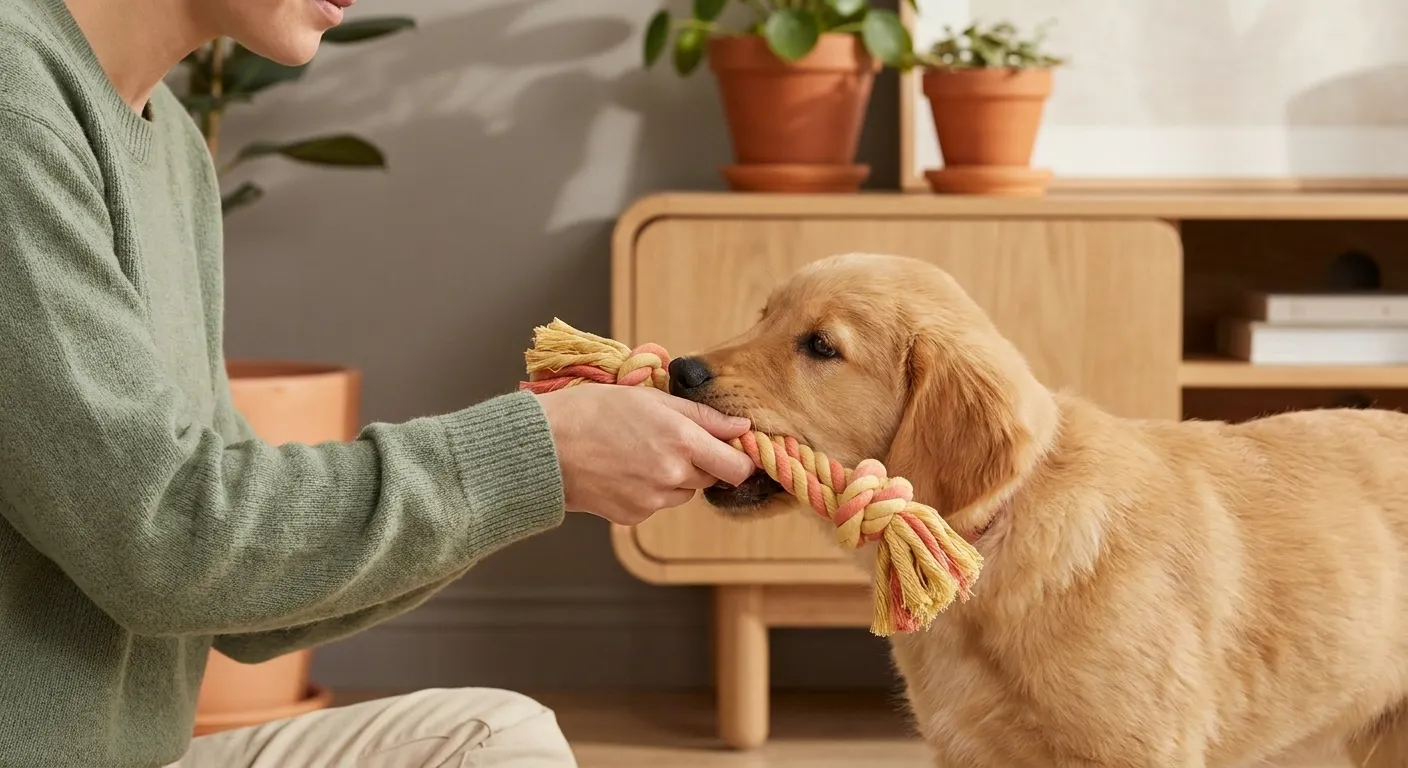
One of the most common frustrations for new puppy owners, especially in the first six months, is the relentless mouthing and nipping. Those sharp puppy teeth can quickly turn playtime into a painful ordeal, leaving many feeling overwhelmed and wondering how to stop puppy biting effectively. Rest assured, this behavior is a normal part of puppy development, and with the right positive reinforcement techniques, you can gently guide your puppy towards better manners. At Puppy Socialization, we believe in clear, actionable, and non-judgmental guidance to help you confidently navigate these challenges.
Understanding the ‘Why’: Natural Puppy Behavior
Before we dive into solutions, it’s important to understand why puppies bite. This isn’t usually an act of aggression but a natural part of their development. Puppies explore the world with their mouths, much like human babies use their hands. They also use mouthing to communicate with littermates and learn bite inhibition – how much pressure is too much. Teething, which typically occurs between 3 and 6 months, also contributes to increased chewing and nipping as they seek relief for sore gums. Recognizing these natural instincts is the first step towards patient and effective training.
Teaching Bite Inhibition: A Gentle Approach
The goal isn’t to stop your puppy from ever putting their mouth on you, but to teach them bite inhibition – to use a soft mouth and understand that human skin is sensitive. This is a crucial life skill that prevents serious bites in the future. Science-backed positive reinforcement is the most effective approach, fostering a strong bond built on trust, not fear.
The ‘Yelp’ and Redirect Method
When your puppy nips too hard during play, let out a high-pitched, surprised “Yelp!” or “Ouch!” immediately. This mimics the sound a littermate would make. Then, calmly withdraw your hand and briefly stop playing. After a few seconds, offer an appropriate chew toy. If they take the toy, praise them enthusiastically. This teaches your puppy that hard bites end the fun, while gentle play (or chewing on toys) continues it.
Offering Appropriate Chew Toys
Always have a variety of safe, durable chew toys readily available. When your puppy starts to mouth your hands or clothes, immediately redirect their attention to an acceptable chew toy. Praise them when they choose the toy. This teaches them what is okay to chew on, rather than just what isn’t. Rotate toys to keep them interesting and engaging.
Consistency and Routine: The Keys to Success
Puppies learn best through consistency and short, focused training sessions. Aim for 5-10 minute training bursts several times a day, integrating them into your daily routine. For example, if your puppy tends to get nippy when overtired, enforce a naptime. If they mouth more when overstimulated, engage in a calmer activity. Clear, predictable schedules help your puppy feel secure and understand expectations. Furthermore, consistent responses from everyone in the household are vital for effective learning.
Managing Overstimulation and Tiredness
Just like toddlers, puppies can become cranky and nippy when they are overtired or overstimulated. Often, a sudden burst of biting or zoomies indicates your puppy needs a nap. Create a quiet, cozy space for them to rest. Similarly, too much excitement, like rough play, can escalate mouthing. Consequently, try to keep play sessions calm and controlled, especially as your puppy learns to manage their energy. Moreover, consider providing Budget-Friendly Enrichment for Puppies to mentally tire them out, which can reduce physical nipping.
The Importance of a Puppy-Proofed Environment
A safe environment is crucial for preventing unwanted chewing and nipping. Remove anything valuable or dangerous that your puppy might be tempted to mouth. This includes loose wires, small objects, and delicate furniture. Instead, fill their space with appropriate chew toys. This proactive step helps set your puppy up for success, as it reduces opportunities for them to practice bad habits. In addition, it gives you peace of mind, knowing they are safe.
Socialization and Play: Learning Good Manners
Proper socialization is incredibly important for puppies, as it teaches them how to interact appropriately with other dogs and people. During play with other puppies, they learn crucial social cues and refine their bite inhibition. Similarly, supervised playdates can be invaluable. However, ensure these interactions are positive and safe. For more guidance, explore our article on The Long Term Puppy Benefits of Early Socialization.
Structured Playtime
Engage your puppy in structured playtime using toys, rather than your hands. Tug-of-war can be a great outlet for their energy and mouthing instincts, provided you teach them to “drop it” on command. Fetch is another excellent option. These activities teach your puppy that toys are for playing, not human skin. Always end play on a positive note, perhaps by offering a high-value chew toy.
Encouraging Soft Mouths
When your puppy is gently mouthing your hand, perhaps during a calm cuddle, don’t pull away too quickly. Instead, praise them softly for their gentle touch. This reinforces that a soft mouth is acceptable. You can also offer a small, tasty treat for gentle interactions. This positive association helps them understand the difference between acceptable and unacceptable mouthing.
Advanced Strategies for Persistent Nippers
Sometimes, despite your best efforts, a puppy’s nipping can be particularly persistent. In such cases, a few additional strategies can be very helpful. Remember, patience is key, and consistency will always yield the best results.
Time-Outs for Over-Excited Pups
If your puppy becomes overly excited and their nipping escalates beyond what the “yelp and redirect” method can handle, a brief time-out might be necessary. Calmly pick up your puppy and place them in a safe, puppy-proofed area (like their crate or a playpen) for 30-60 seconds. Do this without scolding or showing anger. The goal is to remove them from the stimulating situation and allow them to calm down. Once they are calm, you can release them and resume play. This teaches them that excessive nipping ends the fun.
Managing Resource Guarding and Nipping
Occasionally, nipping might be related to resource guarding, where a puppy becomes possessive over food, toys, or even their space. If you notice your puppy growling or snapping when you approach their food bowl or a favorite toy, seek professional help from a certified dog trainer. This behavior requires careful management to prevent it from escalating. However, for most puppies, nipping is simply playful exploration.
Common Pitfalls to Avoid When Addressing Puppy Biting
When trying to address puppy biting, it’s easy to fall into certain traps that can inadvertently make the problem worse. Being aware of these common mistakes can help you maintain a positive and effective training approach.
Avoid Punishment and Scolding
Harsh punishment, yelling, or hitting your puppy for nipping can damage your bond and make them fearful. It doesn’t teach them what *to do*, only what *not to do*, and can even lead to aggression or fear biting. Instead, focus on positive reinforcement and redirecting their behavior. Your puppy is trying to communicate, and it’s our job to gently guide them.
Don’t Use Your Hands as Toys
While it might seem harmless to wrestle with your puppy using your hands, this teaches them that human hands are acceptable chew toys. This can be a hard habit to break later on. Always use appropriate toys for play and keep your hands out of their mouths. This clear boundary helps them understand that hands are for petting, not for chewing.
Ensure Adequate Exercise and Mental Stimulation
A bored or under-exercised puppy is often a nippy puppy. Ensure your puppy gets enough physical exercise throughout the day, tailored to their age and breed. Furthermore, mental stimulation is just as important. Puzzle toys, training sessions, and short walks can tire them out and reduce their urge to mouth. This can significantly help to stop puppy biting by addressing the underlying need for activity.
When to Seek Professional Help for Puppy Biting
For most new puppy owners, the strategies outlined here will be sufficient to manage and eventually stop puppy biting. However, there are instances where professional guidance can be incredibly beneficial. If you find yourself struggling, or if your puppy’s biting seems aggressive rather than playful, please don’t hesitate to reach out to a certified professional dog trainer or a veterinary behaviorist. They can provide personalized advice and support.
Signs that might warrant professional help include:
- Your puppy’s bites consistently break the skin.
- They show signs of aggression, such as growling, snarling, or snapping, outside of playful contexts.
- The biting intensifies despite consistent training efforts.
- You feel fearful of your puppy’s biting.
Remember, seeking help is a sign of a responsible pet owner, not a failure. A professional can help you understand your puppy’s specific needs and develop a tailored plan to effectively address their mouthing and nipping. For more information on understanding your dog’s signals, you might find our guide on Decoding Puppy Body Language helpful.
Long-Term Success: Continuing Good Habits
Even after your puppy has largely outgrown their nipping phase, it’s important to continue reinforcing good habits. Always provide plenty of appropriate chew toys, engage in positive play, and maintain consistent boundaries. Remember, training is an ongoing journey that strengthens the bond between you and your furry companion. By consistently applying these gentle solutions, you will successfully manage and stop puppy biting, fostering a well-behaved and happy member of your family.
Ultimately, patience, consistency, and positive reinforcement are the cornerstones of teaching your puppy appropriate behavior. You are helping them learn essential life skills, ensuring they grow into a confident, well-adjusted adult dog. Keep celebrating their small victories and enjoy the rewarding journey of raising your beloved puppy. Finally, for concerns about other behaviors, consider resources like the ASPCA’s article on managing destructive chewing or the Humane Society’s guide to soft mouth training.
FAQs on Puppy Biting and Mouthing
Why do puppies bite so much?
Puppies bite as a natural way to explore their world, much like human babies use their hands. It’s also how they play with littermates and learn bite inhibition. Teething, which causes discomfort, also increases their need to chew and mouth.
When does puppy biting usually stop?
Most puppies start to reduce their intense nipping around 4-6 months of age, as their adult teeth come in and they learn better bite inhibition. However, some mouthing can persist longer, requiring continued gentle guidance.
Is it normal for my puppy to bite me during play?
Yes, it’s very normal for puppies to mouth and nip during play. They are learning how much pressure is too much. Your goal is to teach them that human skin is sensitive and to redirect their biting to appropriate chew toys.
What should I do if my puppy bites too hard?
If your puppy bites too hard, immediately make a high-pitched “Yelp!” or “Ouch!” sound. Then, calmly remove your hand and briefly stop playing. After a few seconds, offer a suitable chew toy. This teaches them that hard bites end the fun.
Can I use a crate to help with puppy mouthing?
A crate can be useful as a safe, quiet space for a brief time-out if your puppy becomes overly excited and nippy. It allows them to calm down away from stimulation. However, it should not be used as a punishment tool.
How can I prevent my puppy from biting my clothes?
To prevent your puppy from biting clothes, consistently redirect their attention to an appropriate chew toy whenever they try to mouth your clothing. Praise them when they choose the toy. You can also temporarily remove yourself from play if they continue to nip at clothes, then re-engage when they are calm.

