
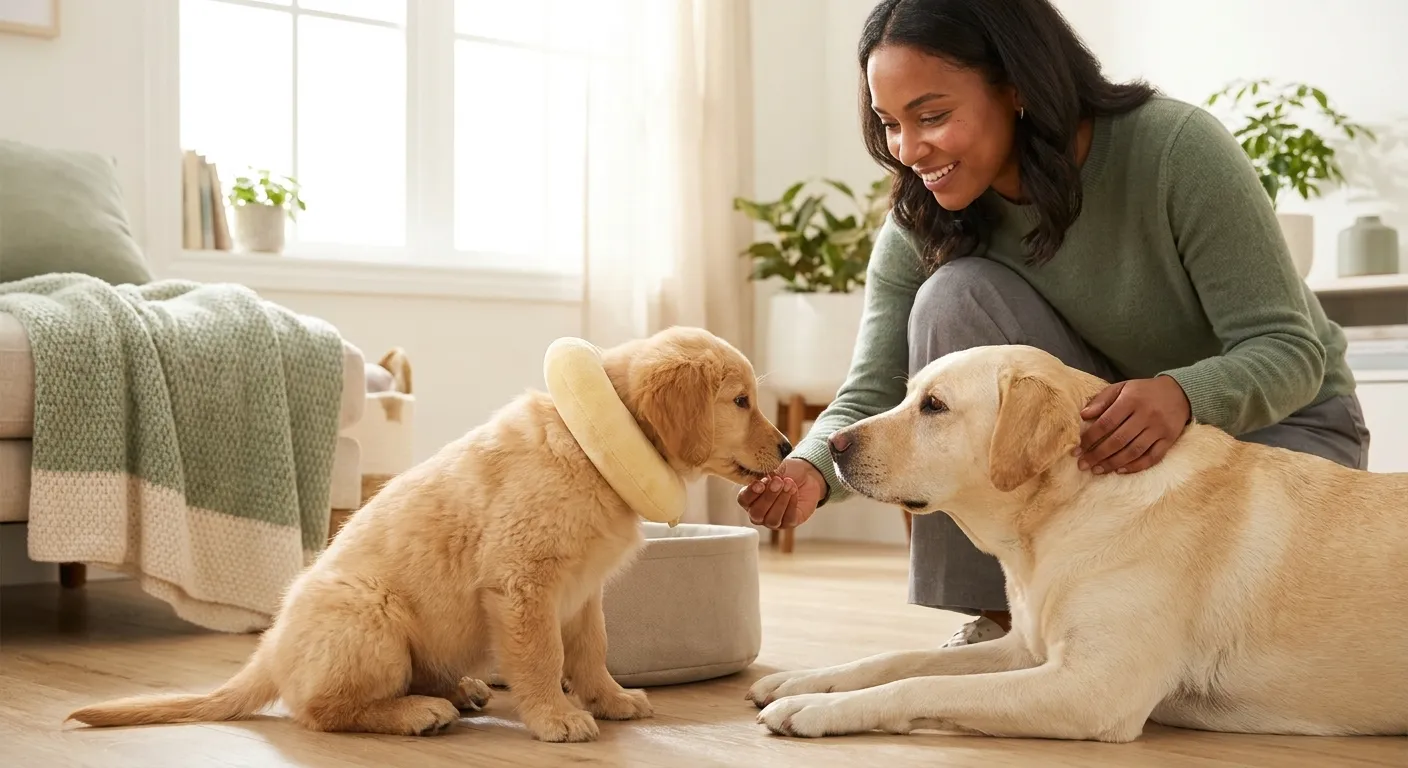
Bringing home a new puppy is a whirlwind of excitement, learning, and sometimes, a little overwhelm. You’ve likely heard a lot about the critical socialization window during those early weeks, but what happens after that? Many new owners wonder, “How do I keep puppy socialized as they grow?” The truth is, socialization isn’t a one-time event; it’s an ongoing journey that builds a foundation for a confident, well-adjusted adult dog. Neglecting continued positive exposure can lead to regression, making a once-friendly pup fearful or reactive. Therefore, understanding how to maintain these vital experiences is crucial for their well-being.
Why You Need to Keep Puppy Socialized Beyond Puppyhood
Just like humans, dogs thrive on continuous learning and positive experiences. A puppy’s brain is highly adaptable, but without consistent reinforcement, learned behaviors can fade. Think of it like a language: if you stop practicing, you might forget words and phrases. For dogs, this means that without regular, positive interactions with new sights, sounds, people, and other dogs, they can become anxious or fearful in unfamiliar situations. Ongoing socialization helps reinforce their confidence, adaptability, and emotional resilience. It’s about maintaining their comfort level in a diverse world, ensuring they remain polite and happy companions. Moreover, it prevents the development of fear-based behaviors which can be challenging to manage later on.
Many new owners initially focus on the critical socialization window, which is incredibly important for laying foundational experiences. However, the work doesn’t stop once your puppy is past a few months old. In fact, adolescence can bring new challenges as puppies test boundaries and their hormones begin to shift. Continuing to provide positive, controlled exposure helps them navigate these changes with greater ease. It’s about building a robust emotional toolkit for your dog, preparing them for whatever life throws their way. Ultimately, a well-socialized dog is a happier dog, and a happier dog makes for a happier home.
Practical Ways to Maintain Your Dog’s Socialization
Keeping your dog socialized doesn’t have to be complicated or expensive. Here are some actionable tips that are easy to weave into your daily routine. These strategies focus on positive reinforcement and gradual exposure, which are key for building lasting confidence.
1. Regular, Structured Outings
Continue taking your dog to various dog-friendly environments. This could include a quiet corner of a pet supply store, a hardware store that allows dogs, or a new walking trail. The key is controlled exposure, focusing on positive experiences. Let them observe calmly from a distance, rewarding their relaxed behavior. Avoid dog parks initially if your dog is still developing polite play skills, as overwhelming experiences can be detrimental. Instead, opt for quieter times or less crowded locations. For instance, a quick trip to a local park during off-peak hours can offer novel sights and smells without too much stimulation. Remember, the goal is positive association.
2. Scheduled Playdates with Known, Friendly Dogs
Arrange playdates with dogs you know are well-socialized, vaccinated, and have a good play style. These controlled interactions are invaluable for practicing appropriate dog-to-dog communication. Supervise closely, ensuring both dogs are enjoying themselves and intervening if play becomes too rough or one dog seems uncomfortable. Short, positive interactions are more beneficial than long, stressful ones. Consider meeting in a neutral location, such as a friend’s fenced yard, to minimize territorial feelings. This also helps your puppy learn how to interact politely with other household pets, should you have them.
3. Continued Positive Interactions with Diverse People
Ensure your dog continues to meet a variety of people of different ages, genders, and appearances (hats, glasses, uniforms). Ask friends and family to help by gently interacting with your dog, offering a treat, or simply ignoring them if your dog is shy. Always prioritize your dog’s comfort; never force an interaction. Your goal is to build positive associations, not create fear. For example, if your dog is wary of someone wearing a hat, have that person stand at a distance and toss treats towards your dog, gradually decreasing the distance as your dog shows comfort. This gentle approach helps them understand that different people are nothing to fear.
4. Handling and Grooming Practice
Regularly practice handling your dog’s paws, ears, mouth, and tail. This makes vet visits and grooming sessions much less stressful for everyone involved. Pair handling with tasty treats and praise to create a positive association. For instance, gently touch a paw, then immediately give a treat. Gradually increase the duration and intensity of handling as your dog becomes more comfortable. This consistent practice is essential for their overall comfort and helps you keep puppy socialized to routine care. It’s a fundamental part of responsible dog ownership.
5. Enroll in Continuing Training Classes
Obedience classes beyond puppy kindergarten offer an excellent opportunity for your dog to learn new skills in a distracting environment. This not only strengthens your bond but also provides structured exposure to other dogs and people. Even if your dog knows basic commands, an advanced class or a fun activity like agility or scent work can keep their mind engaged and boost their confidence. These classes are designed to help you keep puppy socialized by offering novel challenges and controlled interactions. You and your puppy will both benefit from the mental stimulation.
6. Expose Your Dog to New Sights and Sounds
Vary your walking routes to introduce your dog to new neighborhoods, parks, and even urban environments (if appropriate for your dog). Expose them to different sounds like skateboards, sirens, children playing, or construction noises from a safe distance, always pairing these experiences with positive reinforcement. A great way to do this is to simply sit on a park bench and observe the world go by, offering treats for calm behavior. This helps your dog habituate to the diverse stimuli of the world, making them more resilient. Remember, the goal is to expand their comfort zone gradually.
7. Maintain a Predictable Routine with Novelty
While routines provide security, injecting novelty keeps things interesting and helps your dog adapt. For instance, while you might have a regular morning walk, occasionally change the route or the time. Introduce new toys or enrichment activities. This balance of predictability and new experiences helps your dog remain flexible and confident in new situations. A stable routine helps them feel safe, but new experiences prevent stagnation and fear of the unknown. It’s about gently stretching their boundaries, not overwhelming them.
8. Be a Confident and Calm Leader
Your dog looks to you for guidance. If you are calm and confident in new situations, your dog is more likely to be calm as well. Conversely, if you are anxious, your dog will pick up on that. Practice being present and relaxed during outings, offering reassurance through your demeanor rather than excessive coddling. Your confidence is contagious, and it helps your dog understand that new situations are safe. This is a crucial aspect of helping your puppy grow into a balanced adult dog. Furthermore, this approach builds trust and strengthens your bond.
9. Prioritize Positive Reinforcement
Always use positive reinforcement methods, rewarding desired behaviors with treats, praise, or toys. Never punish your dog for showing fear or anxiety, as this will only worsen the problem. Instead, gently guide them away from the scary situation and try again from a greater distance or with less intensity. Positive reinforcement builds trust and encourages your dog to be brave. It teaches them that new experiences are positive, which is fundamental if you want to keep your puppy socialized effectively. This approach is not only humane but also highly effective.
10. Respect Your Dog’s Boundaries
While it’s important to expose your dog to new things, it’s equally important to respect their comfort levels. If your dog is showing signs of stress (tail tucked, yawning, lip licking, cowering), remove them from the situation. Pushing a dog past their comfort zone can be counterproductive and create negative associations. The goal is always positive exposure, not forced exposure. Learning to read your dog’s body language is a vital skill for any owner, especially when you are trying to ensure they remain well-adjusted. This mindful approach helps you build a strong, trusting relationship.
Understanding Continued Socialization: A Lifelong Journey
The concept of continued socialization is truly about recognizing that your dog’s emotional landscape, much like our own, benefits from ongoing positive engagement with the world. It’s not simply about introducing them to new things, but about maintaining their comfort and confidence in a diverse environment. As dogs mature, their personalities and comfort levels can shift. Therefore, consistent, gentle exposure ensures they remain adaptable and friendly. This commitment helps to prevent behavioral issues that can arise from isolation or negative experiences.
For instance, an adult dog who hasn’t encountered many children might suddenly become fearful when a new grandchild visits. Or a dog accustomed to only one type of park might become overwhelmed by a bustling city street. By regularly exposing your dog to a variety of people, places, and sounds throughout their life, you are essentially inoculating them against fear and anxiety. This helps to secure their mental well-being for years to come. It’s a proactive approach to pet ownership, ensuring your furry friend remains a happy, confident companion. To truly keep puppy socialized, it needs to be an integral part of their entire life.
The Benefits of an Ongoing Socialization Plan
Implementing an ongoing socialization plan offers numerous advantages for both you and your dog. Firstly, it fosters a more confident and resilient dog. A dog that is comfortable in various situations is less likely to develop anxiety or fear-based aggression, making them a joy to be around. Secondly, it strengthens the bond between you and your pet. Engaging in new experiences together builds trust and creates shared positive memories. You become their reliable guide in the world.
Furthermore, a well-socialized dog is often easier to manage in public and more welcoming to visitors. This means fewer stressful situations for you and a more peaceful home environment. It also opens up possibilities for more adventures together, whether it’s hiking new trails or enjoying pet-friendly patios. You’ll be able to confidently take your dog almost anywhere, knowing they will behave appropriately. Ultimately, consistent positive exposure is an investment in your dog’s lifelong happiness and your peace of mind. This is how you effectively keep puppy socialized and thriving.
When to Seek Professional Guidance
Despite your best efforts to keep puppy socialized, some dogs may still develop fears or anxieties. If you notice your dog exhibiting signs of significant stress, aggression, or phobias, it’s important to seek help from a certified professional dog trainer or a veterinary behaviorist. They can provide tailored strategies and support to help your dog overcome these challenges. Early intervention is often key to successful outcomes. Do not feel discouraged if you need to reach out for expert advice; it shows you are a dedicated and caring owner. Organizations like the Association of Professional Dog Trainers can help you find qualified professionals in your area. Additionally, the American College of Veterinary Behaviorists offers resources for finding board-certified veterinary behaviorists.
Remember, every dog is an individual. What works for one might not work for another. Be patient, consistent, and always prioritize your dog’s emotional well-being. Building a confident, well-adjusted dog is a marathon, not a sprint, and it’s one of the most rewarding journeys you’ll undertake as a pet parent. By consistently working to help your dog remain comfortable in various environments, you truly keep puppy socialized for life. It’s a continuous act of love and commitment.
Conclusion
The journey of socialization doesn’t end when your puppy outgrows their tiny paws. It’s an ongoing commitment that shapes them into a confident, adaptable, and happy adult dog. By consistently providing positive, controlled exposure to new sights, sounds, people, and other friendly dogs, you’re investing in their emotional well-being and strengthening your bond. Remember to be patient, observe their comfort levels, and always make experiences positive. With these practical tips, you can confidently keep puppy socialized, ensuring they live a life filled with joy and resilience. You’re giving them the best chance to thrive in our big, wonderful world.
FAQ
How often should I expose my adult dog to new experiences?
Ideally, aim for at least a few varied exposures each week. This could be a new walking route, a visit to a different dog-friendly store, or a playdate with a new dog friend. Consistency is more important than intensity. Even small, brief positive encounters add up over time to maintain their comfort and confidence.
What are signs my dog is becoming undersocialized?
Signs of undersocialization can include increased fear or anxiety in new situations, shying away from strangers, barking excessively at unfamiliar dogs, or showing aggression when confronted with novel stimuli. If you notice these behaviors, it’s a good time to gently reintroduce positive exposures or seek professional help. Early intervention is always best.
Can an older dog learn to be more comfortable with new things?
Yes, absolutely! While the critical puppy window is crucial, dogs are lifelong learners. With patience, positive reinforcement, and a gradual approach, older dogs can certainly become more comfortable and confident in new situations. It might take more time and consistent effort, but it’s a very rewarding process. You can always teach an old dog new tricks, especially when it comes to building confidence.
Is a dog park a good way to maintain my dog’s social skills?
Dog parks can be beneficial for some dogs, but they are not suitable for all. They can be overwhelming and unpredictable. For ongoing canine social exposure, supervised playdates with known, friendly dogs are generally a safer and more controlled option. If you do go to a dog park, choose off-peak hours and supervise closely, leaving if your dog seems uncomfortable. Consider your dog’s personality and play style before relying on dog parks.
What if my dog is shy around new people?
For shy dogs, focus on very gradual, positive introductions. Have new people ignore your dog initially, perhaps tossing treats from a distance. Avoid forcing interactions. Your goal is to create positive associations, so make sure every encounter is calm and rewarding. With time and consistency, many shy dogs can learn to be more comfortable around strangers. Remember, patience is key when helping a timid pup.

