
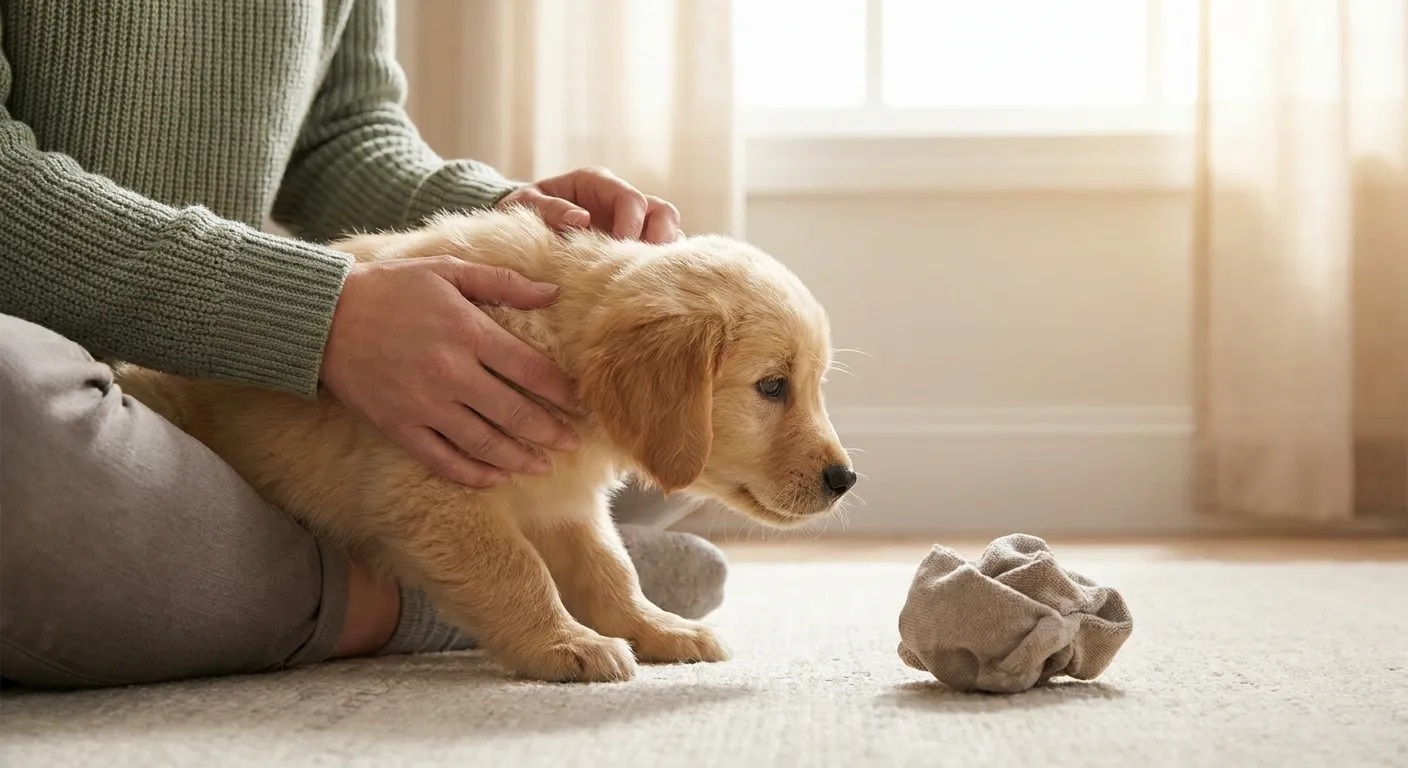
Just when you think you’ve got this puppy parenting thing down, your confident little explorer might suddenly become timid or fearful of familiar things. Welcome to puppy fear periods, a normal but often unsettling part of your puppy’s development. As new puppy owners, it’s easy to feel disheartened or confused by these changes. However, understanding what’s happening and how to respond with gentle, patient support is crucial for raising a resilient, well-adjusted adult dog. We’re here to help you navigate these moments with confidence and calm.
Understanding and Supporting Your Puppy Through Fear Periods
Puppies typically experience two main periods of increased cautiousness. The first often occurs around 8-11 weeks of age, coinciding with their transition to a new home. This can be a lot for a tiny pup to process. The second, more pronounced sensitive period, usually happens between 5-10 months, aligning with adolescence. During these times, puppies are biologically wired to be more cautious of new experiences, sounds, or objects. For instance, a sudden fear of a trash can, a bicycle, or even a person they’ve met before is common and not necessarily a sign that you’ve done something wrong. It’s simply a developmental stage where their brains are processing the world differently, making them more sensitive to perceived threats.
The key during a fear period is to be your puppy’s calm and reassuring guide. Avoid forcing them into situations they’re clearly afraid of. Instead, create positive associations with the scary object or situation from a distance. For example, if they’re suddenly afraid of a new mailbox, sit with them at a comfortable distance, offering high-value treats and calm praise. Gradually, as they show less concern, you can move a little closer, always keeping it positive and never pushing them past their comfort zone. Never punish fear, as this will only intensify it. Your calm presence, positive reinforcement, and patience will help your puppy navigate these tricky developmental stages and emerge even more confident.
Recognizing the Signs of a Fearful Pup
Firstly, it’s important to recognize when your puppy might be entering one of these sensitive phases. Subtle changes in behavior are often the first indicators. Your usually outgoing puppy might suddenly cower from a loud noise they previously ignored. Perhaps they become hesitant to approach new people or shy away from objects in their environment. These reactions are normal. They might also show signs like a tucked tail, flattened ears, yawning, lip licking, or refusing to take treats in a new situation. Learning to read your puppy’s body language is incredibly helpful during these times. Our guide on Decoding Puppy Body Language: What Your Pup is Trying to Tell You offers valuable insights into understanding these signals.
Moreover, some puppies might show increased clinginess, wanting to stay closer to you than usual. Others might bark more at unfamiliar things or even try to hide. Remember, these aren’t signs of a bad puppy; rather, they are expressions of their developing brain trying to make sense of the world. Your understanding and gentle response are paramount. This phase is temporary, and with your support, your puppy will grow through it.
Gentle Exposure and Positive Reinforcement
During these sensitive developmental windows, controlled, positive experiences are far more beneficial than forced interactions. Think of it as building a positive emotional bank account for your pup. If your puppy is suddenly wary of children, for instance, don’t immediately take them to a busy playground. Instead, start with very brief, supervised interactions with calm children from a distance, always paired with delicious treats and praise. This method helps your puppy form positive associations. You can find more tips on creating positive experiences in our article on Puppy Kids Safe Interactions: Building Harmony in Your Home.
Furthermore, if your puppy suddenly becomes fearful of a specific sound, like the vacuum cleaner, introduce it gradually. Start by having the vacuum in the room but turned off, rewarding your puppy for calm investigation. Then, turn it on briefly from a distance, again rewarding calm behavior. The goal is to keep your puppy under their ‘threshold’ – the point at which they become genuinely distressed. If they show signs of fear, you’ve gone too far, too fast. Simply retreat to a comfortable distance and try again later, more slowly.
Creating a Safe and Predictable Environment
A predictable routine can be incredibly comforting for a puppy experiencing a sensitive developmental stage. Knowing what to expect reduces anxiety. Consistent feeding times, potty breaks, and playtime help your puppy feel secure. Additionally, ensure your puppy has a safe space they can retreat to when feeling overwhelmed, such as a crate or a cozy bed in a quiet corner. This den should be their sanctuary, a place where they are never bothered. This is especially important during puppy fear periods.
Moreover, consider the noises and activities in your home. While you can’t eliminate all surprises, you can manage the environment. For example, if you know a delivery person is coming, secure your puppy in their safe space with a long-lasting chew. Similarly, avoid sudden, loud noises or boisterous play during these sensitive times. A calm home environment fosters a calm puppy. Remember, every positive experience during these stages builds resilience.
The Importance of Continued Socialization (Carefully!)
While your puppy might be more fearful during these sensitive periods, it’s crucial not to halt socialization entirely. Instead, adjust your approach. Gentle, positive socialization continues to be vital for their development. This means carefully exposing them to new sights, sounds, people, and other friendly, vaccinated dogs, but always ensuring these experiences are positive and non-stressful. Think of it as ‘socialization in slow motion.’
For instance, instead of a busy dog park, opt for quiet walks in different neighborhoods, allowing your puppy to observe from a distance. If you meet a friendly stranger, let them toss a treat to your puppy without forcing an interaction. The aim is to build positive associations with the world around them, even if it’s from afar. Our article on Keep Puppy Socialized: Practical Tips for Lifelong Confidence offers more ideas for maintaining positive exposure.
When to Seek Professional Help
Most puppies will navigate their sensitive developmental stages with your patient, positive support. However, sometimes, a puppy’s fear can be more intense or persistent, impacting their daily life. If your puppy’s fears seem extreme, last for extended periods, or if they start showing aggression due to fear, it’s wise to consult a professional. A certified professional dog trainer or a veterinary behaviorist can provide tailored guidance and support.
They can assess your puppy’s specific situation and help you develop a detailed plan. Remember, seeking help is a sign of a responsible pet owner, not a failure. Organizations like the Association of Professional Dog Trainers (APDT) or the American College of Veterinary Behaviorists (ACVB) can help you find qualified professionals in your area. Addressing intense fears early can prevent them from becoming more deeply ingrained issues.
Navigating Puppy Fear Periods: Your Role as a Trusted Guide
As new puppy owners, your calm presence is the most powerful tool during puppy fear periods. Your puppy looks to you for reassurance and guidance. If you react with anxiety or frustration, your puppy will pick up on that, potentially intensifying their own fear. Therefore, practicing your own calm demeanor is essential. Take deep breaths, speak in a soothing voice, and move slowly. Your puppy needs to know that you are their safe harbor.
Moreover, remember that these periods are temporary. They are normal, albeit challenging, developmental phases. With consistent, gentle support, your puppy will learn to process new experiences and build resilience. This journey strengthens the bond between you and your furry companion, fostering trust and mutual understanding. Every step you take with patience and empathy contributes to a well-adjusted, confident adult dog.
Consider also incorporating Budget-Friendly Enrichment for Puppies: Engaging Minds on a Dime into your routine. Mental stimulation can help build confidence and provide positive outlets during these times. Puzzle toys, scent games, and short training sessions can be incredibly beneficial. These activities can distract your puppy from their fears and redirect their energy into positive engagement, further aiding them through their sensitive developmental periods.
In conclusion, puppy fear periods are a normal part of your dog’s growth. With empathy, patience, and positive reinforcement, you can guide your puppy through these challenging times. By understanding their needs and responding with gentle support, you’ll help them develop into a confident, happy, and well-adjusted companion. You’ve got this, and so does your puppy!
FAQ
How long do puppy sensitive periods typically last?
Puppy sensitive periods usually last for a few weeks, but the exact duration can vary between individual puppies. The first period often occurs between 8-11 weeks, and the second, more pronounced one, between 5-10 months of age. With consistent, gentle support, most puppies navigate these stages successfully.
Should I comfort my puppy when they are scared?
Absolutely, you should comfort your puppy. Comforting them does not reinforce fear; it reinforces your bond and helps them feel safe. Offer calm reassurance, gentle praise, and perhaps a high-value treat. Avoid overly dramatic reactions, but a soothing presence is always beneficial.
What if my puppy’s fear seems really extreme?
If your puppy’s fear seems extreme, is persistent, or leads to aggressive behavior, it’s best to consult a professional. A certified professional dog trainer or a veterinary behaviorist can provide tailored strategies and support to help your puppy overcome these intense challenges.
Can I prevent my puppy from having a fear stage?
No, you cannot prevent these sensitive developmental stages as they are a normal biological part of a puppy’s growth. However, you can significantly influence how your puppy experiences and navigates these periods through early, positive socialization and your calm, supportive guidance.
Is it okay to introduce new things during these sensitive periods?
Yes, but with extreme caution and always ensuring positive associations. Gentle, controlled exposure to new things, people, and sounds is still important for continued socialization. Always keep interactions positive, brief, and below your puppy’s fear threshold, reinforcing calm behavior with treats and praise.
How can I ensure my puppy feels safe at home during these times?
Create a predictable routine and ensure your puppy has a safe, quiet den or crate they can retreat to. Avoid sudden loud noises or overly stimulating environments. A calm home environment, combined with your reassuring presence, will help your puppy feel secure and confident as they grow.

