
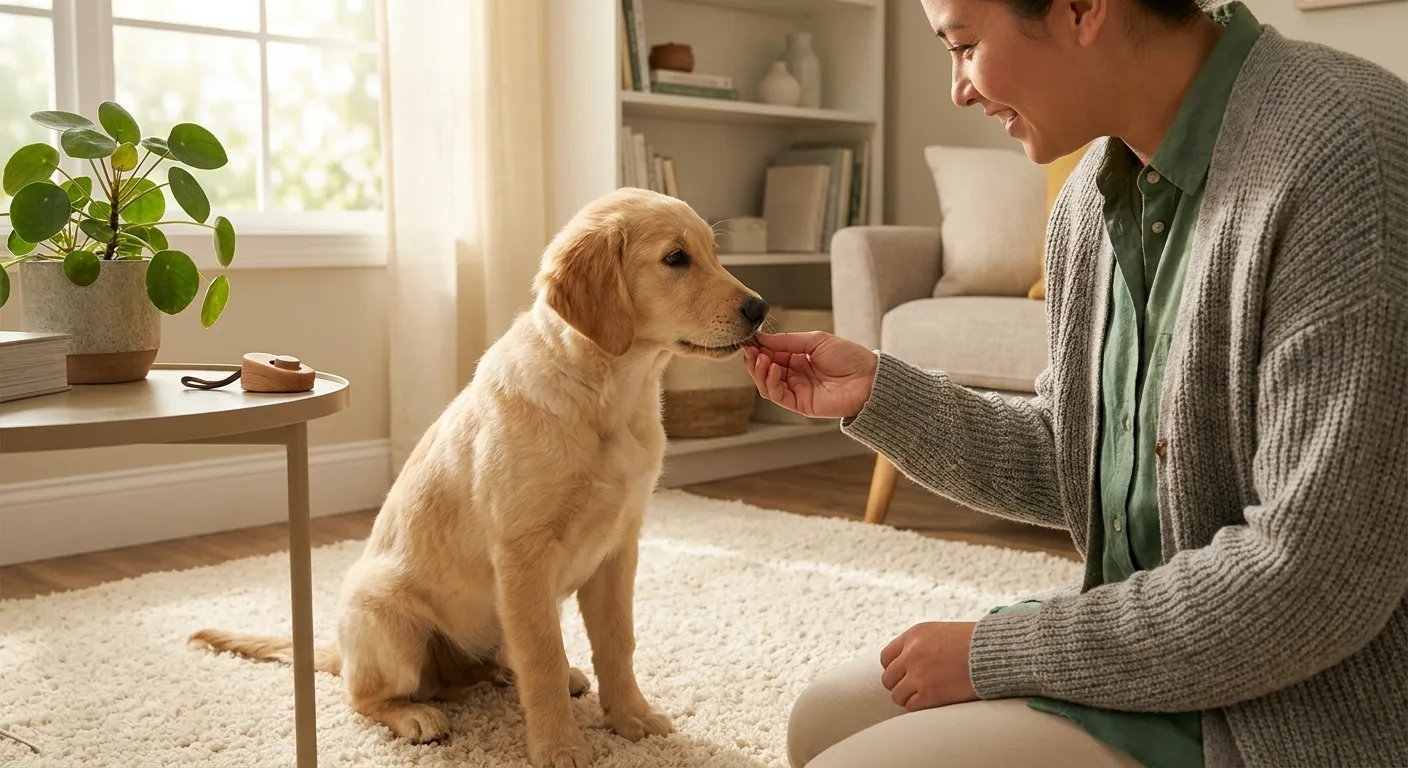
Congratulations! You’ve navigated the early days of puppyhood, tackling house training and nipping with patience and positive reinforcement. As your puppy grows, the journey shifts from basic training to helping them truly build confident puppy manners, ensuring they become a cherished and well-behaved family member. This isn’t just about obedience; it’s about integrating your pup smoothly into your life and fostering a well-adjusted companion who thrives in any situation.
The ‘humanization’ trend in pet care means our dogs are more than just pets; they’re family. Indeed, this deep bond drives new owners, especially Gen Z and Millennials, to invest in their pets’ wellness and development. However, with pet care costs rising, finding affordable, actionable guidance is key. Our goal is to empower you to continue your pup’s development, building on the foundation you’ve already established.
Why Advanced Manners Matter for Your Growing Pup
Moving beyond ‘sit’ and ‘stay’ is crucial for a puppy’s ongoing development. A dog with good manners is welcome everywhere – at friends’ homes, in parks, and as a calm presence in your own bustling home. This continued positive reinforcement builds their confidence, reduces stress for both of you, and strengthens your bond. Moreover, well-mannered pups are often happier and more secure.
Fostering Independence and Self-Control
As puppies mature (often entering an ‘adolescent’ phase around 6-18 months), new behavioral challenges can emerge. Continued training helps reinforce the independence you started building, teaching them self-control and how to make good choices even when distractions are present. For instance, a pup who can calmly wait for their dinner or resist the urge to chase a squirrel demonstrates great self-control. This maturity helps them navigate the world with greater ease.
Next Steps: Advanced Manners and Integration
Now, let’s explore some key areas where you can continue to help your puppy develop their excellent behavior. These steps are designed to be manageable and rewarding for both of you.
1. Polite Greetings: No Jumping!
Excitement often leads to jumping, but it’s a habit best nipped in the bud. Teach your puppy that all four paws on the floor get attention. When they jump, turn your back, cross your arms, and ignore them. The moment they settle down, even for a second, turn back and offer calm praise and a treat. Consistently apply this with everyone your puppy meets. Remember, consistency is vital for your puppy to understand what is expected. This gentle approach helps them learn appropriate ways to say hello.
2. Loose-Leash Walking: Enjoying Walks Together
Pulling on the leash can make walks stressful for both of you. Use positive reinforcement to teach loose-leash walking. When your puppy walks nicely by your side (without pulling), mark the behavior with a verbal cue like “Yes!” and offer a treat. If they pull, simply stop walking until the leash loosens, then continue. This teaches them that a loose leash means forward movement and rewards. Consider using a front-clip harness for better control if pulling is a persistent issue. This technique helps your puppy connect good behavior with pleasant experiences, fostering excellent leash etiquette.
3. The “Stay” Command: Building Patience
“Stay” is an invaluable command for safety and self-control. Start with short durations and minimal distractions. Have your puppy sit, then give the “Stay” command, take one step back, and immediately return to reward them. Gradually increase distance and duration. Use a release word like “Okay!” to end the stay. This command is a building block for many other behaviors, and it reinforces your pup’s ability to remain calm and focused. Furthermore, a strong “Stay” can be life-saving in unexpected situations.
4. Integrating into Family Life: Routines and Roles
Your puppy is a family member, and integrating them means establishing clear routines and roles. This provides structure and predictability, which puppies thrive on. Assigning specific times for feeding, walks, playtime, and rest helps your puppy understand the rhythm of your home. For example, involving them in calm family activities, like quiet evenings on the couch, teaches them how to relax alongside you. Moreover, consider using puzzle toys during quiet times to keep them mentally stimulated without requiring constant human interaction.
5. “Leave It”: Preventing Unwanted Chewing and Sniffing
The “Leave It” command is incredibly useful for preventing your puppy from picking up potentially dangerous items or from bothering things they shouldn’t. Start by placing a low-value treat on the floor and covering it with your hand. Say “Leave It” as your puppy tries to get it. When they look away from your hand, reward them with a higher-value treat from your other hand. Gradually increase the difficulty by having the treat uncovered, then by moving further away. This command empowers your puppy to make good choices, even when temptations are present. It’s a cornerstone for safety and good household behavior.
Understanding Puppy Adolescence: The “Teenage” Phase
Just like human teenagers, puppies go through an adolescent phase, typically between 6 to 18 months of age. During this time, you might notice a regression in training or new behavioral challenges. Your once perfectly behaved pup might suddenly seem to “forget” commands or become more defiant. This is a normal part of their development as their hormones surge and they test boundaries. It’s crucial to approach this phase with extra patience and consistency. Continue to reinforce good behavior and revisit basic training as needed. Think of it as a temporary detour on the road to a well-adjusted adult dog. Understanding this phase can prevent frustration and strengthen your bond.
Socialization Continues: Beyond Puppy Class
While early puppy socialization is vital, it doesn’t end when they finish puppy classes. Continued positive exposure to new people, places, sounds, and other calm, vaccinated dogs is essential for your puppy to maintain and build confident puppy manners. Regular, safe interactions help them generalize their good behavior to different environments. For instance, taking your puppy to a pet-friendly store or a quiet park can offer valuable learning experiences. Always ensure these experiences are positive and not overwhelming. A well-socialized puppy is less likely to develop fear or aggression issues later on. You can find more helpful tips on our Blog.
The Importance of Play and Mental Stimulation
Physical exercise is important, but mental stimulation is equally crucial for a well-behaved puppy. Bored puppies often invent their own entertainment, which can lead to destructive behaviors. Incorporate activities that challenge their minds, such as scent games, training new tricks, or using interactive toys. Interactive toys can keep them engaged when you’re busy, preventing boredom and reinforcing good habits. Furthermore, even short bursts of mental work can tire a puppy more effectively than a long walk, leading to a calmer, happier companion. This commitment to their mental well-being helps to build confident puppy manners naturally.
When to Seek Professional Guidance
While our tips are designed to be actionable for new owners, there might be times when professional help is beneficial. If you’re struggling with persistent behavioral issues, such as severe anxiety, aggression, or house training regressions, don’t hesitate to consult a certified professional dog trainer or veterinary behaviorist. They can offer tailored advice and support, helping you navigate more complex challenges. Remember, seeking help is a sign of a responsible pet owner, not a failure. Organizations like the Association of Professional Dog Trainers can help you find a qualified expert in your area. This proactive step ensures your puppy receives the best possible support.
Building a Stronger Bond Through Training
Every training session, every moment you spend teaching your puppy, is an opportunity to strengthen your bond. Positive reinforcement training isn’t just about teaching commands; it’s about building trust, communication, and mutual respect. Your puppy learns to see you as a reliable guide and a source of positive experiences. This deeper connection makes your journey together more enjoyable and rewarding. As you continue to guide your puppy, you’ll see them transform into a truly cherished member of your family. The effort you put in now to help them build confident puppy manners will pay dividends for years to come.
Affordable and Actionable Steps for Every Owner
We understand that pet care costs can add up, and your time is valuable. That’s why our approach focuses on affordable, actionable steps you can integrate into your daily life. You don’t need expensive gadgets or endless hours of training; rather, consistency, patience, and positive reinforcement are your most powerful tools. Simple, short training sessions throughout the day are often more effective than one long, overwhelming session. For instance, using meal times for training or incorporating commands into playtime makes learning natural and fun. These practical strategies help every new owner successfully teach their puppy good conduct.
Ultimately, the goal is to raise a well-adjusted, happy dog who is a joy to live with. By continuing to build confident puppy manners, you’re investing in a lifetime of companionship and positive experiences. Keep celebrating small victories, stay patient, and remember that every puppy learns at their own pace. You’ve got this!
For more insights into responsible pet ownership and training, consider exploring resources from reputable organizations like the ASPCA. They offer a wealth of information to support pet parents.
FAQ
How can I ensure my puppy greets visitors politely without jumping?
To teach polite greetings, ensure your puppy has all four paws on the floor before they receive attention. When they jump, calmly turn your back and ignore them. As soon as they settle, even for a second, turn back and offer praise and a small treat. Consistency is key, and every family member and visitor should follow this rule.
My puppy pulls on the leash. What’s the best way to encourage relaxed walks?
For relaxed walks, use the “stop-and-go” method. When your puppy pulls, stop walking immediately. Only resume walking when the leash loosens. Reward them with praise and a treat when they walk nicely by your side without pulling. A front-clip harness can also provide better control and discourage pulling.
How long does it take for a puppy to learn the ‘Stay’ command effectively?
The time it takes to learn “Stay” varies for each puppy, but consistency is crucial. Start with very short durations and minimal distractions, gradually increasing the time and distance. Practice daily in short, positive sessions. Celebrate small successes and always use a release word to signal the end of the stay.
What’s the best way to handle puppy adolescence when they seem to forget training?
Puppy adolescence is a normal phase. During this time, be extra patient and consistent. Revisit basic commands and reinforce them with positive reinforcement. Avoid punishment, as it can damage your bond. Keep training sessions fun and engaging, and remember that this phase will pass with continued guidance and understanding.
Are there specific toys that can help reinforce good behavior and mental stimulation?
Yes, certain toys are excellent for reinforcing good behavior and providing mental stimulation. Puzzle toys and chew toys can keep your puppy engaged and prevent boredom, which often leads to destructive behaviors. Scent games using treats hidden around the house are also fantastic for mental enrichment.

