
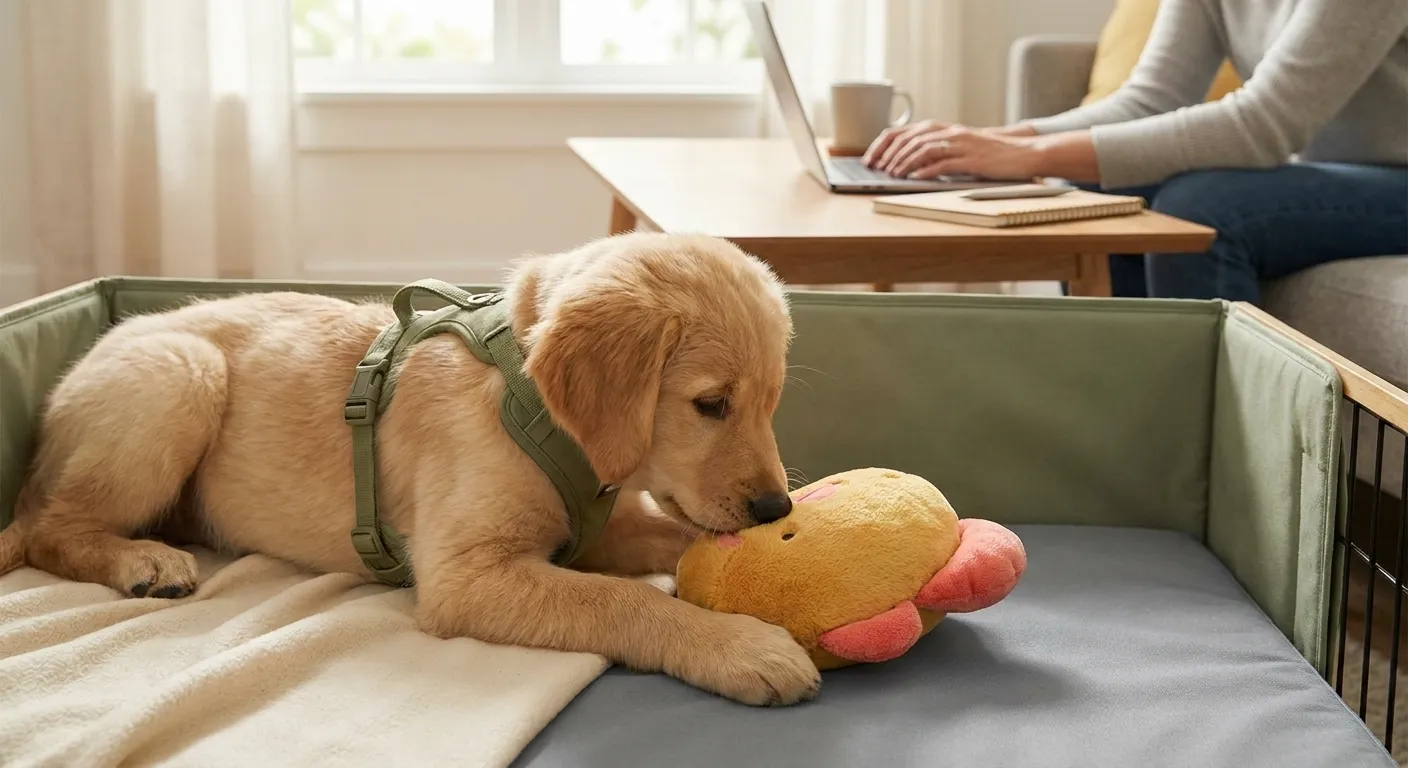
Bringing a new puppy home is an exciting journey, but for many new pet parents, especially those juggling busy schedules, the thought of fostering puppy independence training can feel daunting. You want your furry friend to be confident and well-adjusted, not clingy or anxious. Importantly, this isn’t just about giving yourself a break; it’s about setting your puppy up for a lifetime of resilience and happiness. In fact, with the U.S. pet industry booming and dog ownership expanding significantly, more households than ever are navigating these early stages, often amidst the challenges of busy professional lives and the return-to-office mandates that can trigger separation anxiety in young dogs.
Why Nurturing Your Puppy’s Independence Matters for Their Well-being
It’s natural to want to spend every waking moment with your adorable new puppy. However, consistently being by their side can inadvertently teach them to rely solely on your presence for comfort and security. Consequently, this can lead to significant stress for both of you when you eventually need to leave them alone. As pet care costs rise and owners become more value-oriented, investing time in smart, early training, like fostering independent play and alone time, is one of the most cost-effective ways to prevent expensive behavioral issues down the line. We’re here to show you how to build a resilient, self-assured companion, even when your schedule is packed. Furthermore, understanding canine behavior is crucial for this process. For more insights into dog behavior and training, consider resources like the ASPCA’s guide to common dog behavior issues.
Step 1: Master the Art of Crate Training for Solo Success
Crate training is a cornerstone of teaching a puppy to be comfortable alone. A crate, when introduced positively, becomes your puppy’s safe den, not a punishment. To begin, start with short periods, even just a few minutes, while you’re still in the room. Always offer a high-value treat or a puzzle toy to create a positive association. Gradually increase the time and distance. Remember, the goal is for your puppy to view their crate as a cozy retreat. This process directly combats the rising concern of separation anxiety, which has become a leading early-stage challenge, often linked to inconsistent work-from-home routines. Moreover, a well-introduced crate can be a sanctuary for your puppy, providing them with a secure space when they need to rest or feel overwhelmed.

