
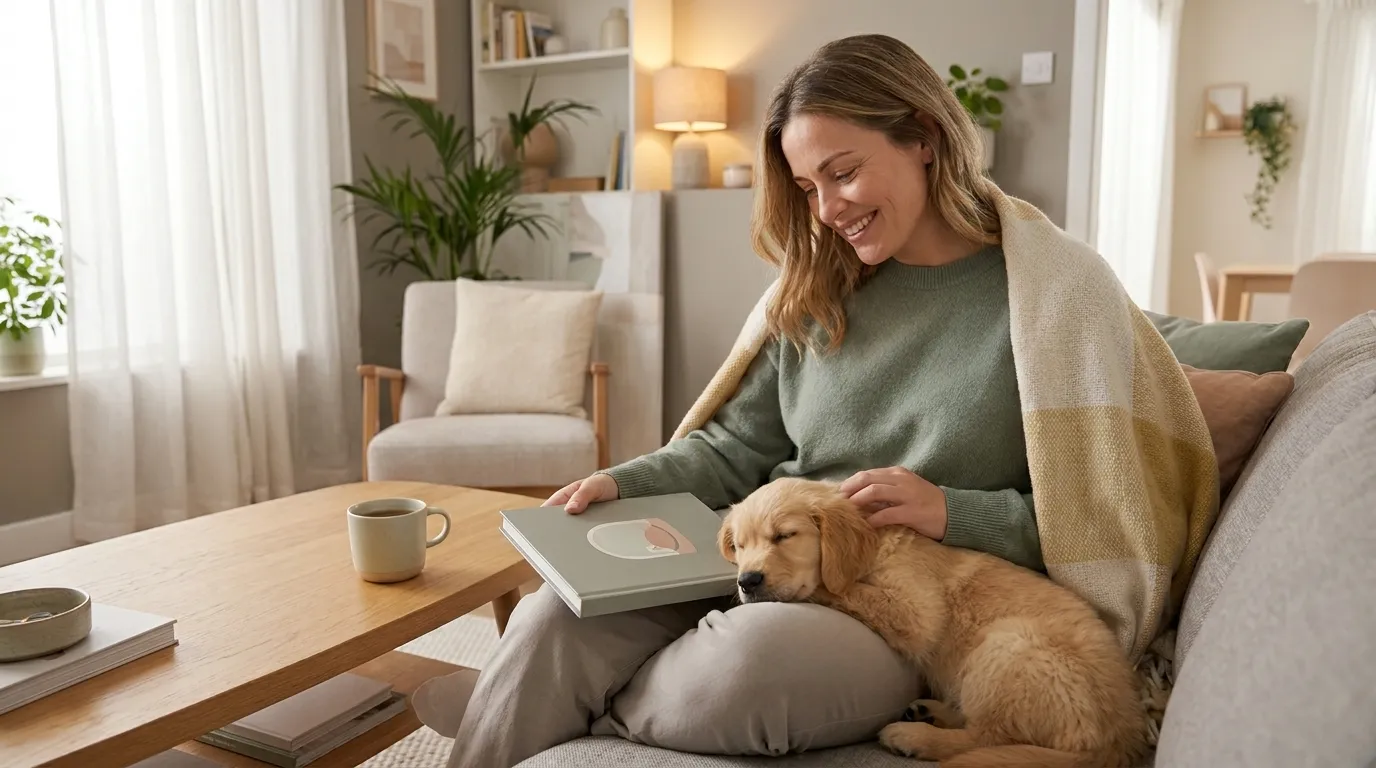
Bringing a new puppy home is an exhilarating experience, filled with dreams of playful romps and loving cuddles. Yet, for many new puppy owners, especially first-timers like Sarah, the initial excitement can quickly give way to feelings of overwhelm, stress, and even regret – often dubbed the “puppy blues.” If you’re feeling this way, know that you’re not alone. This first-time puppy owner guide is designed to help you understand these common feelings, set realistic expectations, and equip you with practical steps to confidently navigate your first week and beyond.
Understanding the “Puppy Blues”: It’s More Common Than You Think
The “puppy blues” are a real phenomenon, characterized by anxiety, exhaustion, and sometimes even buyer’s remorse, particularly among first-time owners. The American Pet Products Association (APPA) notes a significant growth in pet ownership, with many new pet parents, like busy professionals and families, driving the demand for guidance. The reality of puppy parenthood – sleepless nights, chewed items, and the sheer time commitment – can be a shock. Industry trends show first-year puppy ownership costs ranging from $3,000 to $8,800, adding financial stress to the emotional and physical demands. These feelings are not a sign of failure; rather, they often indicate you’re taking your new responsibilities seriously. We’re here to offer a supportive, non-judgmental hand, helping you turn overwhelm into empowerment.
Setting Up for Success: Creating Your Puppy’s Safe Haven
Before your puppy even walks through the door, creating a secure, predictable environment is crucial. This proactive step can significantly reduce stress for both you and your new family member. Clearly, a well-prepared home makes a huge difference. As a result, you’ll feel more in control.
The Essentials: What Your Puppy Needs
- A Cozy Crate: This isn’t just a cage; it’s your puppy’s den, a safe space for rest and quiet time. Choose a size that allows them to stand, turn around, and lie down comfortably, with a divider for growth. Place a soft bed and a safe chew toy inside.
- Food and Water Bowls: Stainless steel or ceramic are ideal for hygiene. Ensure fresh water is always available.
- High-Quality Puppy Food: Consult with your vet or breeder for recommendations tailored to your puppy’s breed and age. Stick to the same food initially to avoid stomach upset.
- Safe Chew Toys: Puppies explore the world with their mouths! Provide a variety of texture-appropriate toys to redirect mouthing and biting (a common frustration in the first six months, according to industry trends).
- Potty Spot: Designate an outdoor area for potty breaks. Having a consistent spot helps with house training.
- Baby Gates/Playpen: These are invaluable for creating safe, puppy-proof zones within your home, preventing unsupervised exploration that could lead to accidents or destructive chewing.
Your First Week: Establishing Predictable Routines
The first week with your new puppy sets the stage for future success. Importantly, establishing predictable routines helps your puppy feel secure and understand expectations. This consistency reduces anxiety for both of you. Therefore, focus on these key areas.
Routine is Your Best Friend
Puppies thrive on routine. Consequently, a consistent schedule for feeding, potty breaks, play, and sleep will help them adjust quickly. For instance, try to feed your puppy at the same times each day. Similarly, take them out to their designated potty spot regularly, especially after waking up, eating, and playing. This predictability helps with stress-free puppy potty training.
Potty Training: Patience and Consistency
Accidents will happen, and that’s perfectly normal. However, consistency is key. Take your puppy outside frequently, reward them immediately when they potty in the right spot, and clean up accidents indoors without scolding. Remember, positive reinforcement works wonders. Furthermore, understanding what your pup is trying to tell you can significantly aid in this process.
Nipping and Biting: Gentle Redirection
Puppies naturally use their mouths to explore and play. This can be frustrating, particularly for a new puppy owner. Instead of punishment, redirect their biting to appropriate chew toys. Yelping like a puppy or withdrawing attention can also teach them bite inhibition. Moreover, you can find more gentle solutions for stopping puppy biting on our site.
Sleep Schedules: Rest for Everyone
Puppies need a lot of sleep, sometimes 18-20 hours a day! Ensure your puppy has a quiet, comfortable crate for naps and nighttime sleep. Initially, you might need to comfort them during the night, but establishing a consistent bedtime routine will help them settle faster. In addition, a tired puppy is often a well-behaved puppy.
Managing Expectations and Your Own Well-being
It’s easy to get caught up in the idealized image of puppy ownership. However, the reality involves challenges. Managing your own expectations and taking care of yourself are vital for navigating the “puppy blues.” Remember, you are doing a great job.
Realistic Expectations for a New Puppy Owner
Your puppy isn’t going to be perfectly house-trained or calmly sitting by your side overnight. They are babies, learning about a brand new world. Expect accidents, sleepless nights, and moments of chaos. This perspective shift can greatly reduce your stress. In fact, many experienced dog owners still face these challenges.
Prioritize Self-Care
It sounds simple, but it’s often overlooked. Make sure you’re eating well, getting enough rest (even if it’s broken sleep), and taking short breaks. Ask for help from family or friends if you feel overwhelmed. A refreshed you is a better puppy parent. Consequently, don’t feel guilty about taking a moment for yourself.
Find Your Support System
Connect with other new puppy owners, join online forums, or talk to experienced dog owners. Sharing your experiences and getting advice can be incredibly reassuring. You are not alone in this journey. Furthermore, your vet is an excellent resource for any health concerns.
Building a Bond: Beyond the Basics
Beyond managing the initial challenges, building a strong, loving bond with your puppy is the most rewarding part of the experience. This connection will be the foundation for a lifetime of companionship.
Positive Reinforcement Training
Use positive reinforcement to teach your puppy good manners and basic commands. This means rewarding desired behaviors with treats, praise, or toys. For example, when your puppy sits, immediately say “yes!” and give a treat. This builds trust and makes learning enjoyable for your pup. Moreover, positive training strengthens your bond.
Early Socialization: A Lifelong Gift
Exposing your puppy to a variety of safe sights, sounds, people, and other vaccinated dogs during their critical socialization window (up to 16 weeks) is incredibly important. This helps them grow into a confident, well-adjusted adult dog. For more information, explore the long term puppy benefits of early socialization. Indeed, it’s one of the best gifts you can give your puppy.
Playtime and Enrichment
Regular playtime is essential for physical exercise and mental stimulation. Provide engaging toys and consider puzzle feeders to challenge their minds. This also helps prevent destructive behaviors born out of boredom. Moreover, you can find many budget-friendly enrichment for puppies ideas on our website.
When to Seek Professional Help
While the “puppy blues” are common, sometimes feelings of overwhelm can become persistent or severe. If you are struggling significantly, or if your puppy is exhibiting concerning behaviors, it’s important to know when to reach out for professional assistance.
Consult Your Veterinarian
If your puppy is showing signs of illness, extreme lethargy, loss of appetite, or persistent behavioral issues, a vet visit is paramount. They can rule out any underlying medical conditions. Preparing for a positive puppy vet visit can make this experience less stressful for both of you.
Consider a Professional Dog Trainer
For persistent behavioral challenges like excessive biting, house-training setbacks, or anxiety, a certified professional dog trainer or behaviorist can offer tailored guidance. They can provide personalized strategies and support, helping you and your puppy thrive. Often, a few sessions can make a huge difference.
Prioritize Your Mental Health
If your feelings of anxiety, stress, or sadness persist and interfere with your daily life, please reach out to a mental health professional. Taking care of your own well-being is just as important as caring for your puppy. There’s no shame in seeking support. The World Health Organization emphasizes the importance of mental health, and this applies to new pet owners too.
Embracing the Journey of a New Puppy Owner
Becoming a new puppy owner is a journey filled with ups and downs, but it is ultimately incredibly rewarding. The “puppy blues” are a temporary phase, a natural reaction to a significant life change. By understanding these feelings, setting realistic expectations, and consistently applying positive training methods, you can confidently navigate this period. Remember, every challenge is an opportunity to learn and strengthen the bond with your furry companion. You are building a lifelong relationship, and that’s truly something special. This comprehensive first-time puppy owner guide aims to support you every step of the way. With patience and love, you will watch your puppy grow into a cherished family member. For further support, consider resources like the ASPCA’s puppy care guides.
FAQ Section
What are common signs of new puppy owner stress?
New puppy owners often experience feelings of anxiety, exhaustion, regret, and overwhelm. You might find yourself questioning your decision, feeling frustrated by accidents, or struggling with sleep deprivation. These feelings are very common and usually temporary.
How long do the initial challenges of having a puppy last?
The intensity of the initial challenges, often called the “puppy blues,” typically lasts for a few days to a few weeks as both you and your puppy adjust to the new routine. However, training and socialization are ongoing processes that continue for many months.
What is the most important thing to focus on as a first-time puppy parent?
Establishing a consistent routine for feeding, potty breaks, and sleep is incredibly important. This predictability helps your puppy feel secure and speeds up their adjustment to your home. Patience and positive reinforcement are also vital.
Can I prevent feeling overwhelmed with a new puppy?
While you might not prevent all feelings of overwhelm, you can significantly reduce them by preparing your home, researching puppy care beforehand, setting realistic expectations, and building a strong support system. Remember, it’s okay to ask for help.
What if my puppy is constantly biting and nipping?
Puppy biting is a normal part of their development. Redirect their nipping to appropriate chew toys, use a yelp or a brief time-out if they bite too hard, and always reward calm behavior. Consistency is key. If it’s severe, consider consulting a professional trainer.
Are there any specific activities to help a new puppy adjust faster?
Gentle play, consistent training sessions using positive reinforcement, and a predictable schedule all help a new puppy adjust. Providing safe chew toys and a comfortable, secure crate also contributes to their sense of safety and belonging.

