
Bringing a new puppy home is incredibly exciting, but it’s completely natural to feel a little worried about leaving them alone. Understanding puppy separation anxiety prevention from the start can truly make a huge difference in raising a confident, independent dog. Many new pet parents, especially first-timers, often feel overwhelmed by conflicting advice. We’re here to offer clear, actionable steps to help your puppy feel secure and happy, even when you’re not right by their side. Moreover, with our supportive approach, you’ll feel more confident too!
Understanding and Addressing Puppy Separation Anxiety Prevention
Separation anxiety isn’t just about a puppy missing you; it’s a genuine distress response. While some whining or barking when you leave is normal, excessive vocalization, destructive chewing, or accidents when left alone can be clear signs of anxiety. The good news is that early, consistent training can significantly reduce the likelihood of severe separation anxiety developing. Therefore, starting proactive steps early is key.
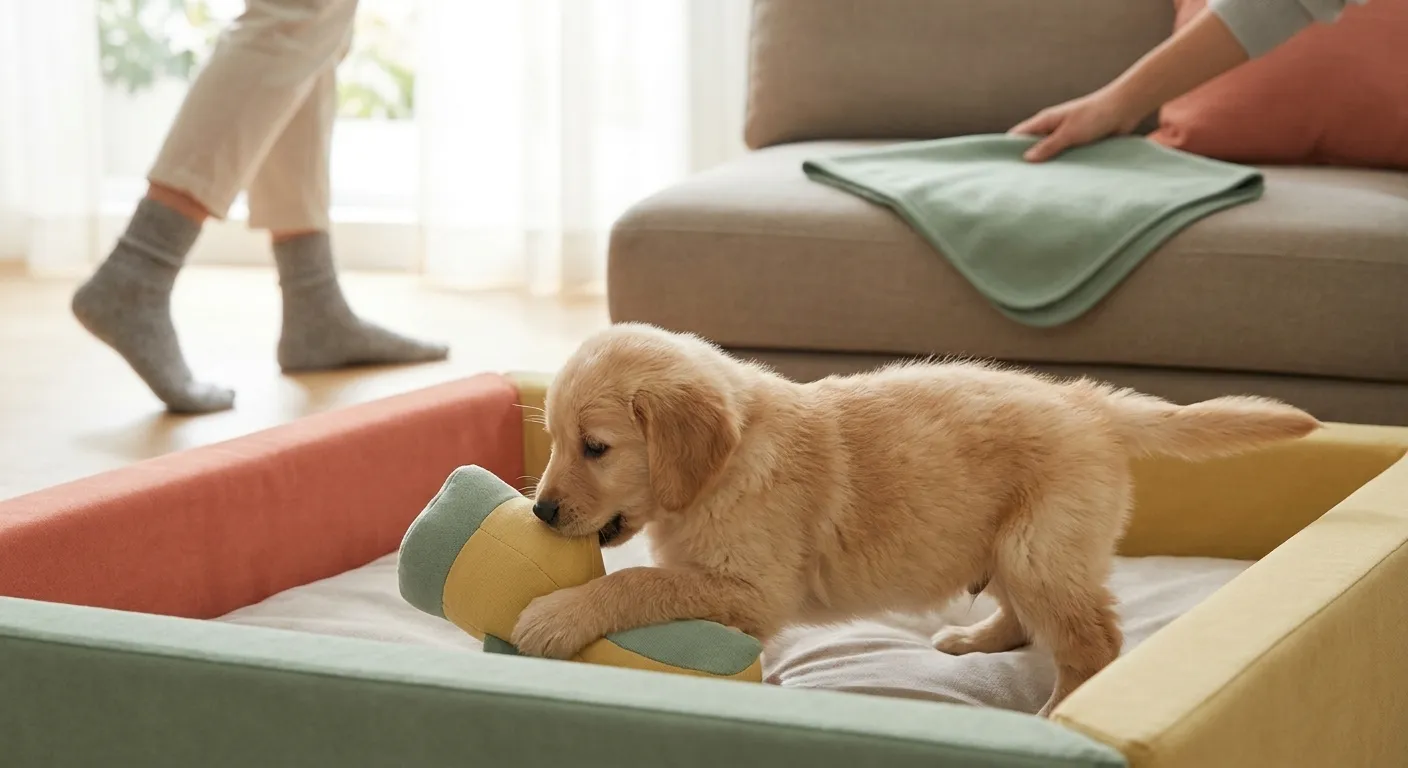
First, create a safe, comfortable ‘den’ for your puppy. This could be a cozy crate or a designated puppy-proofed area. This space should always be associated with positive experiences, such as tasty chew toys or a comfortable bed, never punishment. In fact, making it their happy place is crucial. For example, you could feed them special treats only when they are in their den.
Next, practice short, calm departures. Begin by leaving your puppy alone for just a few minutes, gradually increasing the time. Don’t make a big fuss when you leave or return. A quiet ‘see you later’ and a calm reunion teach your puppy that your departures are normal and you always come back. This routine helps to normalize your absence.
Incorporate ‘alone time’ into their routine, even when you’re home. This could mean putting them in their safe space with a long-lasting chew while you’re in another room. This helps them learn to be content without constant interaction. Remember, patience and positive reinforcement are your best tools in preventing separation anxiety and fostering a well-adjusted companion.
Why Early Independence Training Matters for Your Puppy
Many new puppy owners wonder if they’re being ‘mean’ by leaving their puppy alone. However, teaching your puppy to be comfortable independently is one of the kindest things you can do for them. It equips them with resilience and reduces stress for both of you in the long run. A puppy that can cope calmly with your absence is a happier, more secure dog. Consequently, you’ll also feel less guilt and worry.
Consider this: life happens. There will be times you need to go to work, run errands, or simply enjoy a quiet moment. If your puppy hasn’t learned to cope with being alone, these necessary separations can become incredibly stressful for them. This stress can manifest in various ways, from destructive behaviors to excessive vocalization, which can be upsetting for neighbors too. Moreover, it can strain the bond you share.
Early training for independence isn’t about neglecting your puppy; it’s about empowering them. It’s about teaching them that the world is a safe place, even when you’re not physically present. This foundation of confidence extends beyond just being alone; it contributes to their overall emotional well-being and ability to handle new situations. For instance, a confident puppy is often more adaptable to new people and environments.
Setting Up the Perfect ‘Alone Zone’ for Your Pup
Creating a designated safe space is a cornerstone of effective puppy separation anxiety prevention. This isn’t just any spot; it’s a place where your puppy feels secure, comfortable, and positively associated with calm. A crate is often an excellent choice, as it mimics a natural den and provides a secure feeling. However, a puppy-proofed small room or a playpen can also work beautifully.
Start by making this space inviting. Line it with a soft, comfortable bed or blanket. Include a few favorite, safe chew toys that can keep them occupied. Crucially, never use this space for punishment. It should always be a haven. For example, give them a special Kong filled with peanut butter or a long-lasting dental chew only when they are in their den. This builds positive associations.
Gradually introduce your puppy to their alone zone. Encourage them to go in there voluntarily with treats and praise. Feed them meals in their crate, or give them a special toy there while you’re nearby. The goal is for them to choose to relax there, understanding it as their personal sanctuary. This process can be similar to how you might encourage positive associations with a new environment, like during puppy vet visit positive experiences.
Gradual Departures: Small Steps to Big Confidence
The key to teaching your puppy to be alone is gradual exposure. Think of it like learning to swim; you don’t just jump into the deep end. Instead, you start with shallow water and slowly build confidence. This approach is vital for effective puppy separation anxiety prevention.
Begin by leaving your puppy in their alone zone while you’re still in the house, just out of sight. Go into another room for a minute, then return calmly. Don’t make a big deal out of your return; simply acknowledge them quietly. Repeat this many times throughout the day, slowly increasing the duration. Perhaps you go to the bathroom, then go to the kitchen, then briefly step outside. Each time, return calmly.
Once they are comfortable with you being out of sight for several minutes, you can start practicing leaving the house. Again, start small: step outside for 30 seconds, then come back in. Gradually increase this time to a minute, then five, then ten. It’s important to vary the lengths of your absences so your puppy doesn’t learn to anticipate your return at a specific interval. Furthermore, consider providing them with budget-friendly enrichment for puppies to keep their minds engaged while you’re away.
The Art of Calm Departures and Returns
Our human instincts often tell us to lavish our puppies with attention before we leave and upon our return. However, this can actually heighten their anxiety. A dramatic goodbye or an overly enthusiastic reunion can signal to your puppy that your departure is a significant, stressful event. Instead, aim for calm and understated interactions.
Before you leave, avoid prolonged goodbyes. Simply give a quiet, reassuring word, provide a distracting toy or treat in their safe space, and then depart. Your demeanor should be relaxed and routine. Similarly, when you return, wait a few minutes before engaging with your puppy. Let them calm down first. This teaches them that your comings and goings are normal parts of life, not cause for alarm or celebration.
This calm approach helps to normalize your absence and presence, reinforcing the idea that your departure is not a big deal. It’s a crucial component of effective strategies for preventing dog separation anxiety. Remember, your calm energy can be incredibly contagious for your puppy. For more detailed help on this topic, you might find our article on Puppy Separation Anxiety Help: Building Confidence When Alone very useful.
Incorporating Alone Time into Daily Routines
It’s easy to fall into the habit of constant interaction with your new puppy, especially when they’re so adorable! However, intentionally building alone time into their daily routine is a proactive step in puppy separation anxiety prevention. This isn’t about neglecting them; it’s about teaching them to be self-sufficient and content in their own company.
Even when you’re home, encourage your puppy to spend time by themselves. For example, if you’re working at your computer, put them in their crate or playpen with a puzzle toy or a chew. This teaches them that they don’t need to be constantly entertained or physically touching you to feel secure. Initially, you might do this for short periods, like 15-20 minutes, gradually extending the time as they become more comfortable. This practice helps them internalize the idea that being alone is a normal, relaxing part of their day.
Another excellent strategy is to ensure your puppy gets plenty of physical exercise and mental stimulation before periods of alone time. A tired puppy is a happy puppy, and a happy puppy is more likely to settle down and rest when left alone. A good walk, a game of fetch, or a training session can help burn off excess energy and prepare them for a calm period of rest. For insights into understanding your puppy’s needs, consider reading about Decoding Puppy Body Language: What Your Pup is Trying to Tell You.
Beyond the Basics: Advanced Tips for Preventing Puppy Separation Anxiety
While the foundational steps are critical, there are additional strategies that can further bolster your puppy’s independence and aid in preventing dog separation issues. These tips focus on enriching their environment and subtly shifting their reliance on your constant presence.
Desensitization to Departure Cues
Many puppies learn to associate certain actions with your impending departure – picking up keys, putting on shoes, grabbing your bag. These ‘departure cues’ can trigger anxiety even before you’ve left. To counteract this, practice these actions randomly throughout the day without actually leaving. Pick up your keys, jingle them, then put them back down and sit on the couch. Put on your coat, then take it off. This desensitizes your puppy to these cues, making them less predictive of your absence.
Varying Your Routine
Puppies thrive on routine, but too rigid a schedule around your departures can sometimes work against you. Try to vary the times you leave and return, within reasonable limits. This prevents your puppy from anticipating your departure with dread at a specific time each day. A little unpredictability can actually foster more robust independence by showing them that your absence isn’t always tied to a strict clock.
Using Scent to Comfort
Your scent can be incredibly comforting to your puppy. Before you leave, place an old t-shirt or blanket that smells like you in their safe space. This familiar scent can provide a sense of security and presence, even when you’re not there. It’s a subtle yet powerful tool in helping your puppy feel less alone. This is a simple, effective method for addressing puppy separation anxiety prevention.
Professional Guidance When Needed
Sometimes, despite your best efforts, a puppy may still show significant signs of separation distress. In such cases, it’s important not to feel discouraged. Seeking professional help from a certified dog trainer or a veterinary behaviorist can provide tailored strategies and support. They can help identify underlying issues and develop a comprehensive plan to help your puppy. Resources like the American Veterinary Society of Animal Behavior (https://avsab.org/) or the Certification Council for Professional Dog Trainers (https://www.ccpdt.org/) can help you find qualified professionals.
The Long-Term Rewards of Early Prevention
Investing time and patience in puppy separation anxiety prevention when your puppy is young pays dividends throughout their entire life. A puppy who learns to be confident and calm when alone grows into an adult dog who is more adaptable, less stressed, and generally happier. This foundation of independence contributes significantly to their overall well-being and strengthens your bond.
You’ll find that a dog comfortable with alone time is easier to manage, less prone to destructive behaviors, and can truly enjoy their own space. This means fewer worries for you when you need to step out, and a more peaceful home environment for everyone. Ultimately, you’re not just preventing a problem; you’re nurturing a well-adjusted, resilient companion. This proactive approach is a gift to your puppy, much like the long term puppy benefits of early socialization. By taking these steps now, you’re building a happier future for your furry family member.
Remember, every puppy is an individual, and some may take longer than others to grasp these concepts. Be patient, be consistent, and always use positive reinforcement. You’re doing a wonderful job guiding your puppy towards a life of confidence and contentment!
Conclusion
Preventing puppy separation anxiety is a journey of patience, consistency, and understanding. By creating a safe ‘alone zone,’ practicing gradual departures, maintaining calm greetings and goodbyes, and integrating alone time into daily routines, you’re laying a strong foundation for your puppy’s independence. These early efforts not only mitigate the risk of distress but also foster a resilient and confident companion. Remember, you’re not alone in this; we’re here to support you every step of the way as you raise a happy, well-adjusted dog. Your dedication now will lead to a lifetime of peace and happiness for both you and your beloved pup.
FAQ Section
What are the first steps to prevent a puppy from getting anxious when alone?
The very first steps involve creating a comfortable, safe ‘den’ for your puppy, like a crate, and making it a positive space. Then, begin with very short, calm departures, gradually increasing the time you are away. Avoid making a big fuss when you leave or return.
How can I make my puppy’s crate a happy place for alone time?
Make the crate inviting with soft bedding and special toys. Feed meals inside the crate, and offer high-value treats or a puzzle toy only when they are in their crate. Never use the crate for punishment; it should always be a safe haven.
Should I make a big deal when I leave or come home?
No, it’s best to keep departures and returns calm and understated. Avoid emotional goodbyes or overly enthusiastic greetings. This teaches your puppy that your comings and goings are normal parts of life and not a cause for alarm or excessive excitement.
How often should I practice leaving my puppy alone?
Practice short periods of alone time frequently throughout the day, even when you are home. Start with just a minute or two, gradually extending the duration as your puppy shows comfort. Consistency is more important than long, infrequent sessions.
What if my puppy still shows signs of distress when I leave?
If your puppy continues to show significant signs of distress despite consistent training, it’s a good idea to consult a certified professional dog trainer or a veterinary behaviorist. They can provide personalized strategies and support to help your puppy overcome their anxiety.

